
Lake Chad Basin Water and Livelihoods — October 6, 2026
Lake Chad satellite data shows stabilization at ~18,800 km² despite decades of contraction, yet low rainfall threatens food security across the basin. Chad faces acute hunger in eastern provinces, while basin governments pursue a $50 billion Congo water-transfer project endorsed by the Lake Chad Basin Commission.
Lake Chad Basin Water and Livelihoods — October 6, 2026
Top developments
Rainfall deficit deepens food crisis in eastern Chad
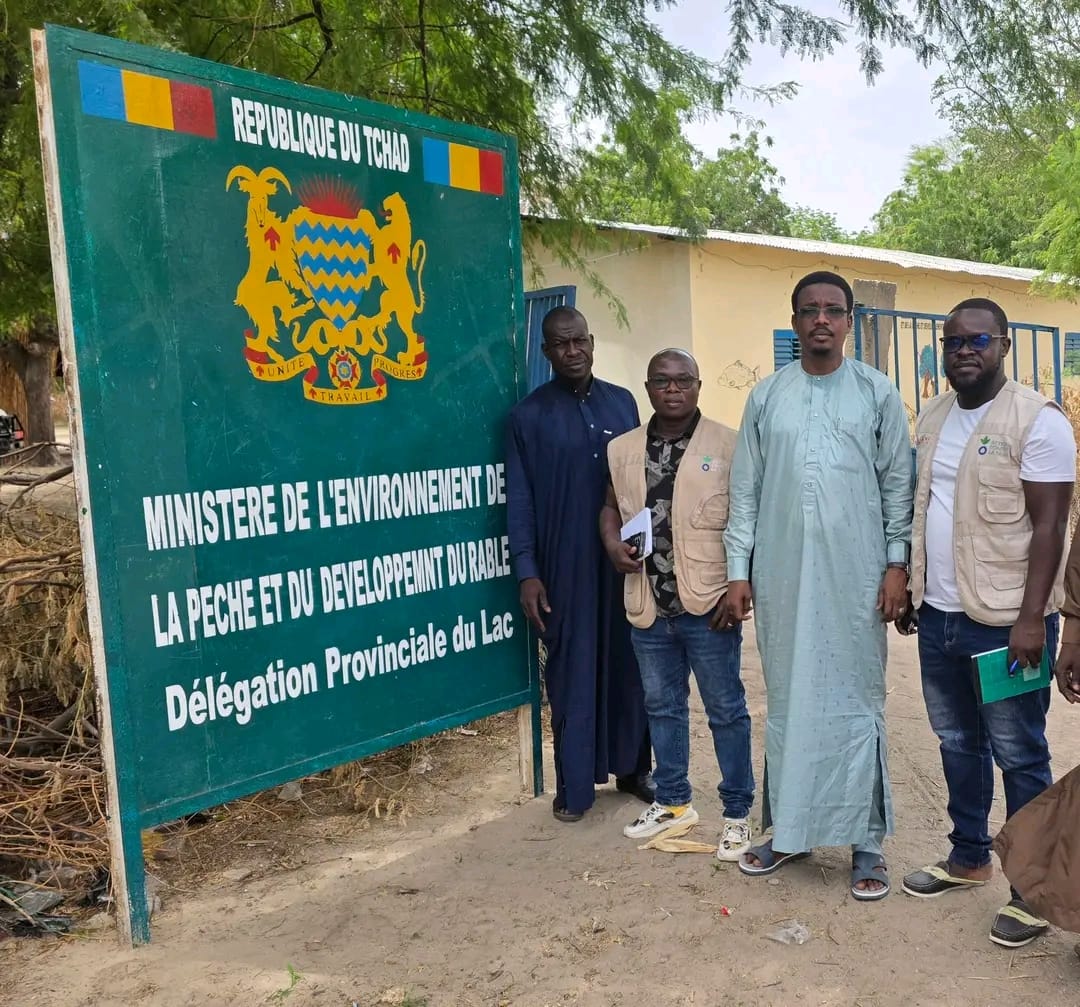
Low rainfall recorded in 2026 is exacerbating food insecurity and threatening agricultural and pastoral livelihoods across Lake Chad Province and eastern Chad. On September 23, provincial authorities in Bol convened to discuss adaptation measures tied to water stress, signaling rising urgency among local stakeholders. Crisis-level (IPC Phase 3) food insecurity is expected to persist in eastern regions despite October harvests, according to forecasts covering June 2026 to January 2027.
Water transfer project moves forward with POWERCHINA backing
In July 2026, the Lake Chad Basin Commission signed a memorandum of understanding with POWERCHINA International Group Limited to advance the Transaqua water-transfer initiative. The $50 billion scheme proposes diverting water from the Congo Basin to Lake Chad, positioning it as the preferred feasible option endorsed by LCBC at the 2018 International Conference on Lake Chad. The MOU signals momentum toward a detailed feasibility phase, though no timeline for construction has been announced.
Water extent stabilizes while irrigation pressures persist
Satellite measurements recorded Lake Chad's surface water at approximately 18,800 km² in 2023–2024, representing 7.5 percent above the 2012–2022 mean annual maximum of 17,500 km². This marks a reversal of the catastrophic 90 percent contraction from 25,000 km² in the 1960s to current levels. However, Cameroon, Chad, Niger, and Nigeria continue intensive irrigation extraction from tributaries—the primary driver of historical lake shrinkage rather than rainfall alone—limiting prospects for sustained recovery without upstream water-management reform.

Buduma herders adapt livelihoods amid water stress
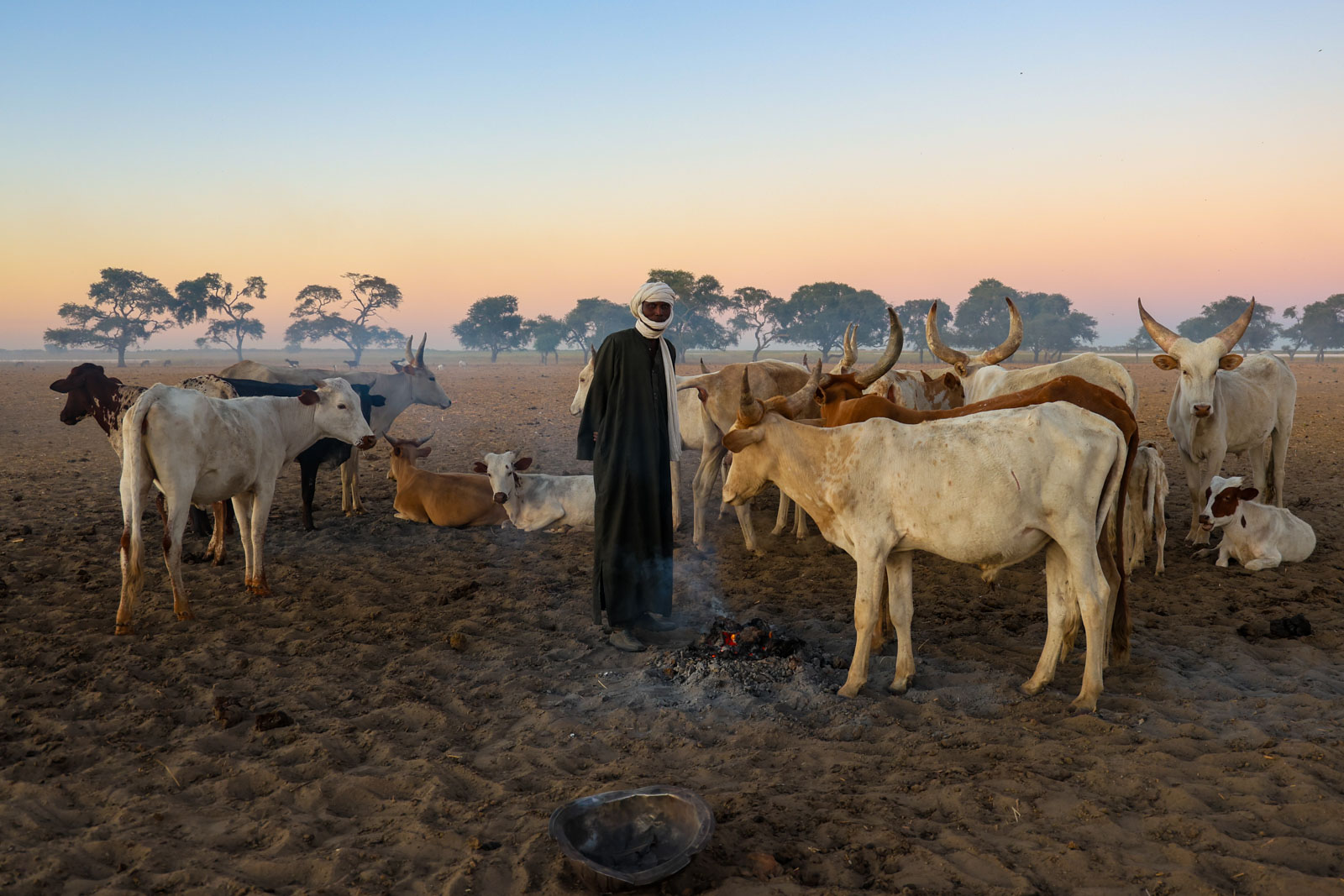
The Buduma (Yedina), semi-nomadic pastoralists who herd Kuri cattle and fish on Lake Chad, continue diversifying income sources as water access tightens. Unlike land-based herders, Buduma communities remain bound to the lake's islands and shallow waters, where cattle grazing and fishing overlap with shrinking pasture and declining fish stocks. Conflict between herders and farmers intensifies as resource scarcity forces migration, with provincial authorities in Moyen Chari convening October 5 to address farmer-herder tensions.
Local view
Tchadinfos (September 23) reported that provincial authorities emphasized adaptation measures in response to low rainfall, underscoring local concern that meteorological stress threatens both farming and herding. Alwihdainfo (September 30) framed irrigation as "the absolute weapon for food sovereignty," reflecting government positioning of controlled water use as essential to food security despite basin-wide contraction pressures.
Context & numbers
- Lake surface area: ~18,800 km² (2023–2024), 7.5% above 10-year mean; down 90% from 1960s peak of 25,000 km²
- Food insecurity: Crisis (IPC Phase 3) outcomes expected to persist in eastern Chad through January 2027
- Transaqua funding: $50 billion proposed by Lake Chad Basin Commission with POWERCHINA, endorsed 2018
- Livelihood base: Fishing, cattle herding, and irrigation agriculture remain primary income for ~50 million people across basin (4 riparian states)
- Irrigation extraction: Primary historical cause of lake shrinkage (1960s–present), not rainfall deficit alone
On the radar
- October–November 2026: Harvest season critical for assessing eastern Chad food security; FEWS NET outlooks will clarify whether crisis phase persists into 2027
- Transaqua feasibility study: Expected milestones for technical design and environmental assessment; no construction start date yet announced
- Farmer-herder mediation: Provincial initiatives in Moyen Chari and other zones test local conflict-mitigation frameworks as water stress mounts
- Basin Commission coordination: Watch for joint water-allocation agreements among Cameroon, Chad, Niger, Nigeria to manage tributary extraction and sustain lake recovery
Data freshness: All content published or updated after September 29, 2026. Remote-sensing data reflects 2023–2024 satellite measurements. WFP and FEWS NET assessments current to June–September 2026.
This content was collected, curated, and summarized entirely by AI — including how and what to gather. It may contain inaccuracies. Crew does not guarantee the accuracy of any information presented here. Always verify facts on your own before acting on them. Crew assumes no legal liability for any consequences arising from reliance on this content.
Powered by
