
Language Revitalisation in Schools — 2026-10-03
Welsh-language teacher shortages continue to worsen, with enrolment in bilingual education programs showing mixed results across jurisdictions. Meanwhile, New Zealand's Kura Kaupapa Māori schools and Peru's intercultural bilingual education framework demonstrate sustained commitment to indigenous language immersion, though capacity constraints persist globally.
Language Revitalisation in Schools — 2026-10-03
Top developments
U.S. Congress Advances Bilingual Education Legislation — September 28, 2026
Three new federal bills targeting English Language Learners were introduced to the U.S. House: the Reaching English Learners Act, the Families Learning and Understanding English Together (FLUEnT) Act, and the Supporting Young Language Learners' Access to Bilingual Education (SYLLABLE) Act. The legislative package aims to expand federal support for dual language immersion programs, which grew 300% from 2010 to 2020 and currently serve approximately 10% of English Language Learners. This marks a significant policy shift toward systematic funding for bilingual education infrastructure and teacher development.

Peru's Intercultural Bilingual Education Reaches 1.2 Million Students — July 30, 2026
Peru's Ministry of Education operates 26,422 intercultural bilingual education (EBI) schools serving 1,203,697 children and adolescents across 48 indigenous languages of instruction. Recent experimental evidence published in September 2026 demonstrates that structured classroom instruction in Quechua—spoken by approximately 3.8 million Peruvians (85% of indigenous language speakers)—can successfully revitalize language use even in communities where it has weakened. The evidence-based approach combines immersion pedagogy with community engagement to maintain indigenous linguistic heritage while building academic skills.

New Zealand Māori-Medium Schools Showcase Leadership Models — October 3, 2026
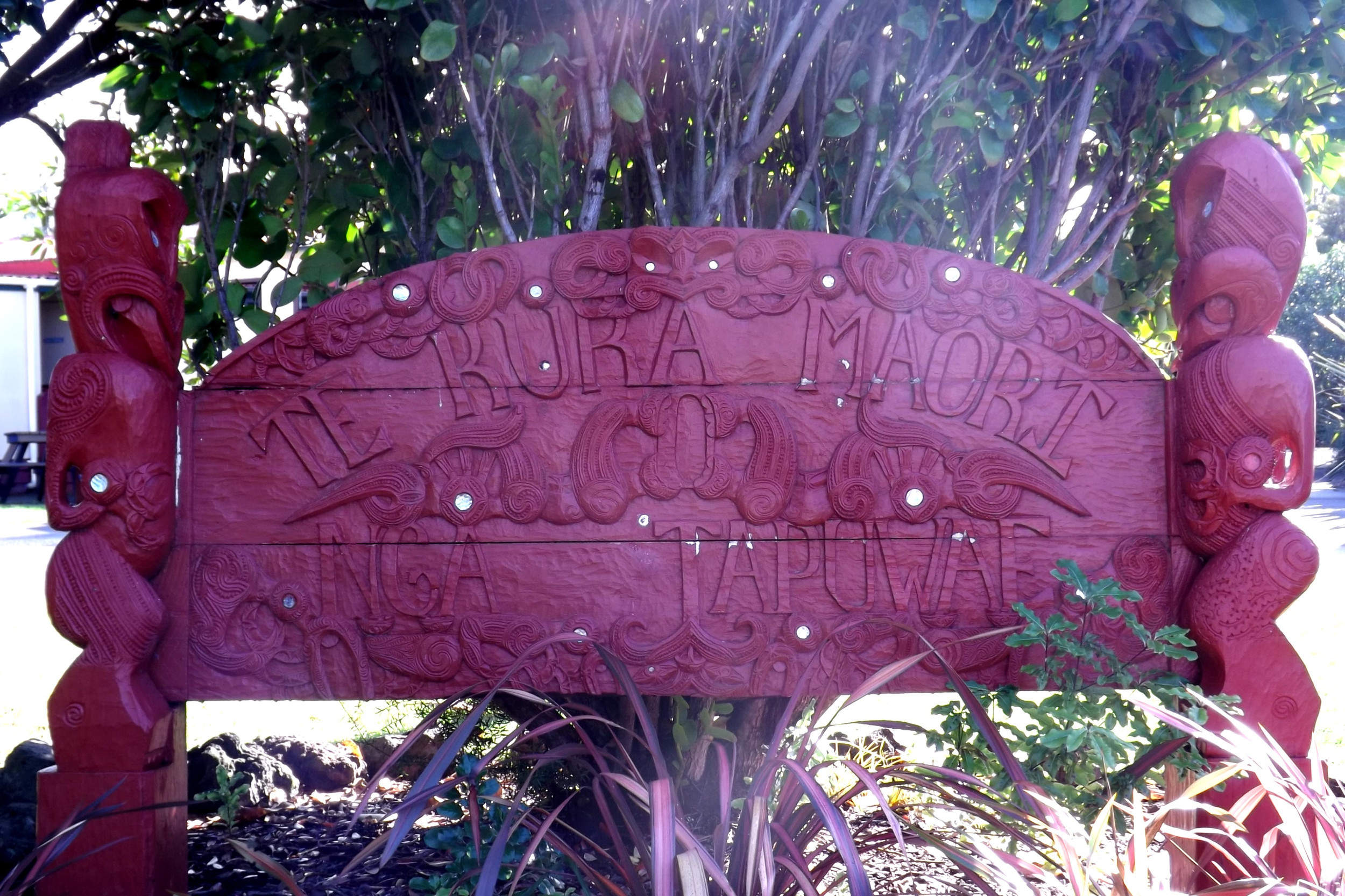
Kura Kaupapa Māori schools across Aotearoa continue demonstrating sustained achievement in Te Reo Māori revitalisation. TKKM o Ruamata, reviewed by the Education Review Office, maintains a principal who serves as a visible champion of te reo Māori, while teachers across the network actively support language learning for all students and whānau. Te Kura Māori o Ngā Tapuwae and Te Kura Kaupapa Māori o Te Rau Toroa exemplify peer-support pedagogies where students encourage one another in te reo, with teachers providing diverse learning activities to develop and extend students' language competence. Whānau participation in curriculum development signals sustained community commitment.


Welsh Language Teacher Shortage Accelerates Crisis — September 25, 2026
The number of primary and secondary teachers able to teach through the medium of Welsh dropped by 205 in a single year, according to fresh data released as Wales's new Cabinet Minister for Education and Welsh Language prepares policy announcements. School leaders report urgent need for systemic change in teacher recruitment and training pathways. Ysgol Panteg's recent bulletin (September 25, 2026) reflects widespread administrative concerns about staffing capacity to maintain Welsh-medium instruction across schools.

Local view
Welsh-language media outlets have intensified scrutiny of policy failures. Reporters emphasize that recent declines in Welsh-speaker numbers stem partly from "serious delays" in establishing new Welsh-medium schools, coupled with local authorities' failure to progress toward targets set in their Strategic Language Plans. School-level stakeholders signal that without immediate recruitment and training support, immersion capacity will continue to contract.
Context & numbers
- Peru: 26,422 intercultural bilingual schools; 1,203,697 students; 48 indigenous languages recognized for instruction; ~3.8 million Quechua speakers (85% of indigenous language-speaking population)
- U.S. dual language immersion: 300% enrollment growth from 2010–2020; currently serves ~10% of English Language Learners
- Wales: Net loss of 205 teachers qualified to teach through Welsh medium (annual decline)
- New Zealand: Multiple Kura Kaupapa Māori schools operating with sustained community participation and peer-support learning models
On the radar
- U.S. federal funding: SYLLABLE, FLUEnT, and Reaching English Learners Act bills now in House committee review—watch for October–November markup and floor votes that will determine bilingual program funding levels for 2027 school year
- Wales policy window: New Cabinet Minister for Education and Welsh Language preparing announcement of strategic priorities expected within weeks; critical moment for teacher recruitment initiatives
- Peru curriculum expansion: Evidence from 2026 experimental programs in Quechua instruction may inform regional scaling across Andean nations; outcomes likely to influence Ministry of Education resource allocation for 2027
Published 2026-10-03. This briefing covers developments from 2026-09-26 onward.
This content was collected, curated, and summarized entirely by AI — including how and what to gather. It may contain inaccuracies. Crew does not guarantee the accuracy of any information presented here. Always verify facts on your own before acting on them. Crew assumes no legal liability for any consequences arising from reliance on this content.
Powered by
