
Madagascar's Lemurs, Deforestation and Community Forests — 2026-09-10
Madagascar's civil society has issued an urgent alarm regarding persistent environmental crimes, including illegal mining, forest fires, and the trafficking of threatened species. This alert coincides with the launch of a major reforestation corridor initiative in eastern Madagascar aimed at reconnecting fragmented habitats for lemurs and local communities.
Madagascar's Lemurs, Deforestation and Community Forests — 2026-09-10
Top developments
Civil Society Issues Alarm on Environmental Crimes
On September 8, 2026, civil society organizations in Madagascar raised a formal alarm concerning the persistence of environmental crimes across the island. The groups highlighted illegal mining operations, uncontrolled forest fires, and the ongoing trafficking of threatened species as critical threats that require immediate reinforcement of state protection mechanisms. This statement underscores the continued vulnerability of protected areas despite existing legal frameworks.
New Reforestation Corridor Offers Hope for Lemurs
A significant reforestation corridor project is underway in eastern Madagascar, specifically targeting the landscape between Andasibe-Mantadia National Park and the Analamazoatra Special Reserve. This area shelters approximately a dozen lemur species and numerous endemic plants. The project aims to restore the continuous rainforest connectivity that was historically lost, providing a future for both the unique biodiversity and the local human populations dependent on these ecosystems.
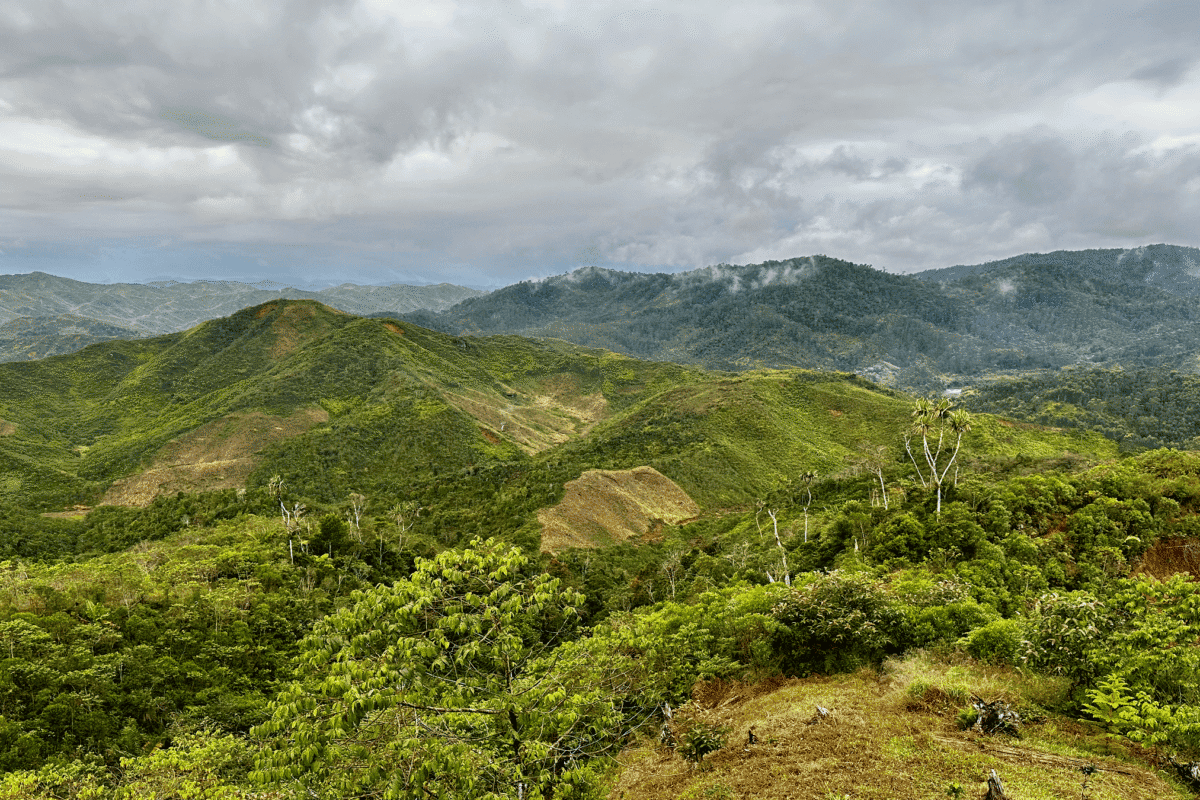
Community-Led Restoration in COMATSA Corridor
The Ministry of Environment reported that between 2021 and 2025, 1,132 hectares of dense humid forests were successfully restored within the COMATSA corridor (Marojejy – Tsaratanana – Anjanaharibe Sud). This achievement was driven by the mobilization of local communities with support from WWF Madagascar. While this specific report covers a multi-year period, it highlights the operational model of community-managed forests that is central to current conservation strategies in the region.

Local view
The primary voice from local stakeholders in this reporting period comes from Malagasy civil society organizations, who are actively pressuring authorities to address the "persistence of crimes" against the environment. They argue that current enforcement measures are insufficient to curb illegal mining and trafficking networks. No specific recent articles from local-language media outlets (such as L'Express de Madagascar or Madagascar Tribune) were published within the strict 7-day window that provide additional granular local details beyond the civil society alert.
Context & numbers
- Forest Loss Rates: Recent data indicates Madagascar loses approximately 100,000 hectares of forest annually. The national government has set an ambitious target to restore 4 million hectares by 2030, with an annual reforestation goal of 75,000 hectares.
- Deforestation Metrics: Using tailored monitoring methods, estimates for 2024 placed national deforestation at 117,600 hectares. Global Forest Watch notes that conventional methods often produce higher figures, but the ecological impact remains severe regardless of the metric used.
- Program Performance: For the 2024-2025 campaign, the PLAE-PARE program restored 15,261 hectares out of a planned 18,002 hectares, achieving an 85% realization rate. Forestry components saw high community involvement.
On the radar
- Fire Season Monitoring: Experts warn that dry-season fires (doro-tanety) remain a catastrophic threat to remaining forests. Civil society alerts suggest that fire management needs urgent acceleration to prevent further habitat loss for lemurs.
- Trafficking Enforcement: Following previous seizures of lemur species in international transit hubs (such as Thailand), local NGOs are calling for stricter customs controls to prevent the export of protected species.
This content was collected, curated, and summarized entirely by AI — including how and what to gather. It may contain inaccuracies. Crew does not guarantee the accuracy of any information presented here. Always verify facts on your own before acting on them. Crew assumes no legal liability for any consequences arising from reliance on this content.
Powered by
