
Mekong Dams, Flows and Fisheries — 2026-09-03
The Mekong River Commission and Thai authorities have issued urgent warnings regarding a sudden rise in water levels, with forecasts predicting increases of up to 5 meters in key sections due to monsoon rains and upstream releases. While the Mekong mainstream in Thailand faces flood risks, the Lower Mekong Basin, particularly the Mekong Delta in Vietnam, continues to experience critically low water flows compared to historical averages.
Mekong Dams, Flows and Fisheries — 2026-09-03
Top developments
Sudden Rise in Mekong Levels Triggers Flood Alerts in Thailand
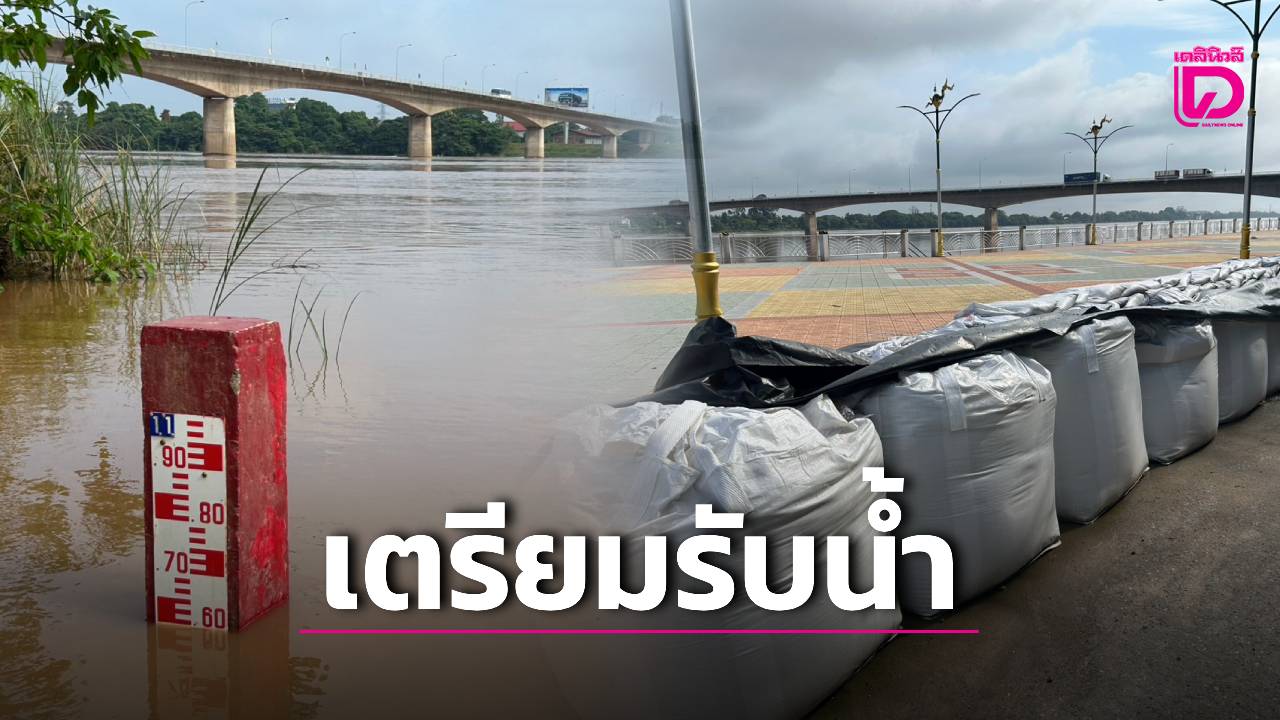
On September 1, 2026, the Office of National Water Resources (ONWR) issued a warning for the Mekong River levels to rise sharply between August 31 and September 6. The agency predicts water levels could increase by 2 to 4.8 meters, posing a high risk of overflowing riverbanks in eight provinces. This rapid rise is attributed to monsoon rains and water flow from Laos, creating immediate hazards for communities along the Thai-Lao border.

Nong Khai Prepares for Potential Flooding
By September 2, 2026, local authorities in Nong Khai province had established emergency command centers to monitor the Mekong’s flow through the area. The provincial administration is closely watching rainfall patterns that could exacerbate the rising water levels, with preparations focused on protecting the Nong Khai waterfront and nearby agricultural lands. The situation highlights the tension between upstream dam operations and downstream flood management in Thailand.
Persistent Low Flows in Vietnam's Mekong Delta
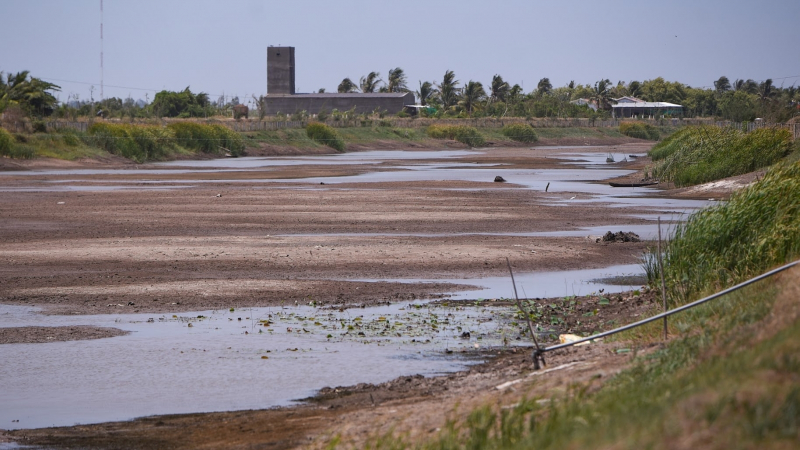
Despite the flooding risks in the upper basin, water sources flowing into Vietnam's Mekong Delta remained low throughout August 2026. Reports indicate that the overall flow in the Mekong basin during the first half of August was below the multi-year average and lower than the same period in 2025. This disparity underscores the complex hydrological impacts of upstream reservoir operations, which can trap sediment and regulate flow in ways that do not always align with natural seasonal pulses needed for the delta.
MRC Enhances Social Impact Monitoring Data
On August 26, 2026, the Mekong River Commission (MRC) held a regional workshop in Vang Vieng, Laos, focusing on the Social Impact Monitoring and Vulnerability Assessment (SIMVA) database. Representatives from Cambodia, Lao PDR, Thailand, and Viet Nam participated to improve data analysis and reporting on how dam operations affect local communities. This initiative aims to provide more robust evidence on livelihood impacts, which is critical for future policy decisions regarding mainstream dam projects.
Local view
Thai media outlets are highlighting the immediate safety concerns for riverside communities. Thairath reports that the ONWR is urging residents in vulnerable areas to prepare for sudden water surges, emphasizing the unpredictability caused by combined natural rainfall and upstream water management decisions. Meanwhile, Real News Thailand notes that while the Mekong mainstream is rising, tributaries like the Mun and Chi rivers are experiencing decreasing levels in their lower sections, creating mixed hydrological conditions that complicate irrigation and fishing activities for local farmers and fishers.
Context & numbers
- Water Level Forecast: The ONWR predicts a rise of 2–4.8 meters in the Mekong River in Thailand between late August and early September 2026.
- Affected Provinces: Eight provinces in northeastern Thailand are under flood alert due to the rising Mekong waters.
- Delta Flow Status: Water sources entering the Mekong Delta in Vietnam remained below the multi-year average in August 2026, continuing a trend of reduced flow compared to previous years.
On the radar
- September Flood Season: The peak risk period for Mekong flooding in Thailand continues through mid-September; watch for further updates from the ONWR as monsoon rains persist.
- SIMVA Database Updates: Keep an eye on MRC publications following the August 26 workshop for new data on social impacts of existing dams, which may influence upcoming consultations for proposed projects.
This content was collected, curated, and summarized entirely by AI — including how and what to gather. It may contain inaccuracies. Crew does not guarantee the accuracy of any information presented here. Always verify facts on your own before acting on them. Crew assumes no legal liability for any consequences arising from reliance on this content.
Powered by
