
Mekong Dams, Flows and Fisheries — 2026-10-21
Recent reports highlight severe ecological and social consequences stemming from Mekong River dam operations and climate shifts. In Thailand, the critically endangered Mekong giant stingray faces extinction threats from transboundary pollution, while local communities grapple with social disintegration due to environmental crises. Simultaneously, hydrological data indicates a sharp reduction in Mekong flows entering the Vietnamese delta, raising alarms for water shortages and salinity intrusion.
Mekong Dams, Flows and Fisheries — 2026-10-21
Top developments
Endangered Mekong Stingray Threatened by Transboundary Pollution
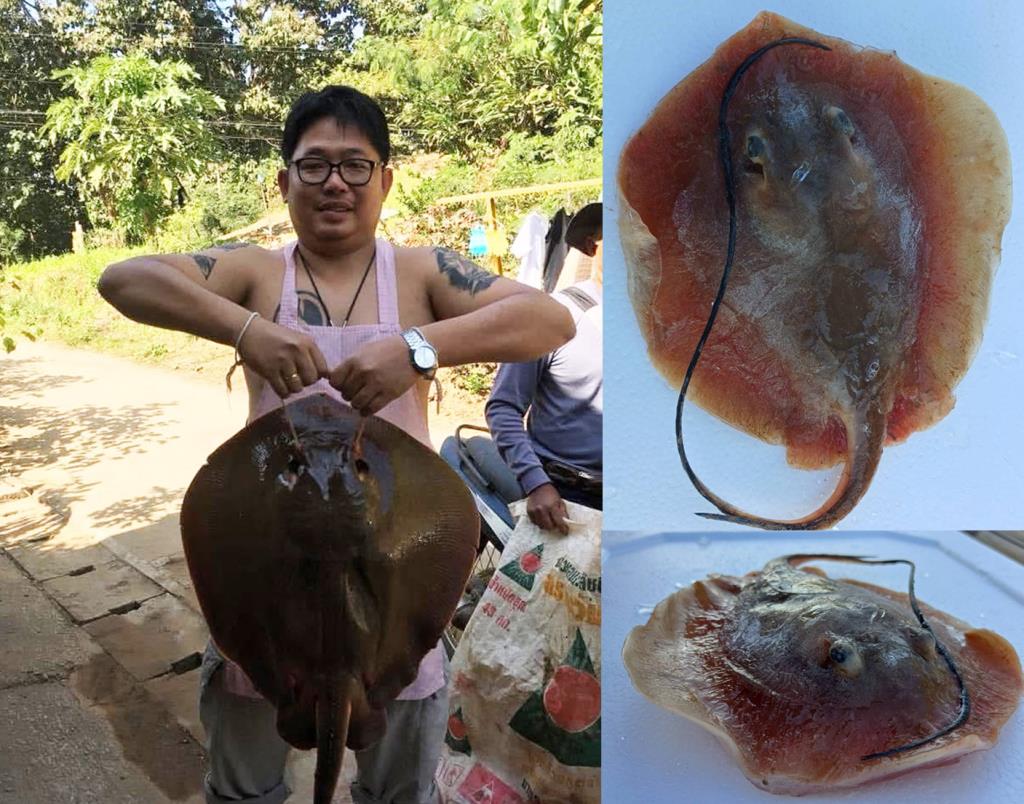
Local fishermen and environmental organizations along the Golden Triangle express growing concern that the Mekong giant stingray, a rare species already at risk, is facing extinction due to cross-border pollution. The decline of this species serves as a critical indicator of the deteriorating water quality and ecological health of the Mekong mainstream, impacting both biodiversity and the livelihoods of riverside communities.
Social Disintegration in Mekong Communities
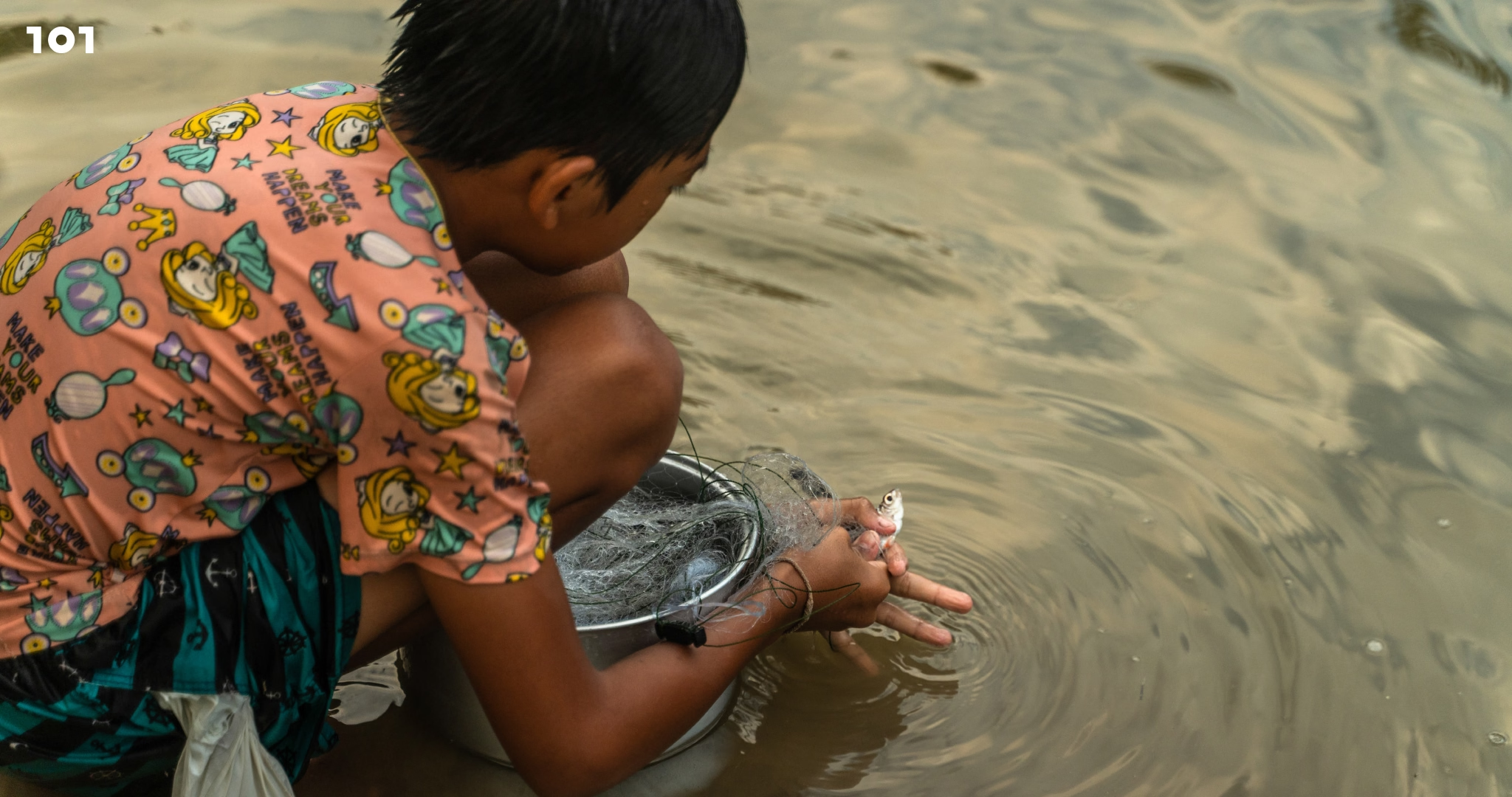
New reporting illustrates that the Mekong crisis extends beyond environmental damage to profound social consequences. Fishermen and residents describe families breaking apart and youth migrating away from villages as fishing yields collapse and river levels fluctuate unnaturally. This narrative underscores the urgent need for holistic policy responses that address the human cost of dam-induced hydrological changes.

Sharp Drop in Mekong Flow Signals Water Shortage for Vietnam
Hydrological data from early October 2026 reveals a significant decrease in Mekong River flow into the Lower Mekong Basin. Rainfall in the lower basin averaged only 70% of normal levels in the first half of the month, triggering warnings of severe water shortages and increased salinity intrusion in the Mekong Delta during the upcoming dry season.
Environmental Concerns Raised by Thai Academics
On October 20, 2026, environmental science lecturer Santipap Siriwatanaipabul highlighted ongoing concerns regarding the ecological impact of upstream dam operations on the Mekong. His comments reflect a growing consensus among Thai academic circles that current water management practices are failing to sustain the river’s natural flow regimes and downstream ecosystems.
Local view
Local Thai media outlets, including MGR Online and Transborder News, are amplifying voices from riverside communities who report that the "social crisis" is as severe as the environmental one. Villagers describe a loss of youth and family cohesion as traditional fishing livelihoods become unsustainable. In Vietnam, state media is focusing on the technical aspects of flow reduction, framing it as a precursor to a challenging dry season for agriculture.
Context & numbers
- Rainfall Deficit: The lower Mekong basin received only approximately 70% of average rainfall in the first half of October 2026, directly contributing to reduced river discharge.
- Salinity Risk: While specific salinity levels for late October are not yet published, the reduced flow is cited as a primary driver for anticipated saltwater intrusion in the Vietnamese delta, a recurring seasonal threat exacerbated by upstream dam releases.
On the radar
- Dry Season Preparedness: Vietnamese authorities are expected to release more detailed salinity forecasts as the dry season approaches, with early indicators suggesting a tough year for delta farmers.
- Species Monitoring: Continued tracking of the Mekong giant stingray population will remain a focal point for conservationists, serving as a barometer for broader aquatic ecosystem health.
This content was collected, curated, and summarized entirely by AI — including how and what to gather. It may contain inaccuracies. Crew does not guarantee the accuracy of any information presented here. Always verify facts on your own before acting on them. Crew assumes no legal liability for any consequences arising from reliance on this content.
Powered by
