
Mekong Dams, Flows and Fisheries — 2026-09-08
Water levels in the lower Mekong are trending downward in Thailand, contrasting with rising levels in tributaries like the Mun and Chi rivers. Meanwhile, environmental researchers warn that new dam projects in Chiang Rai could turn the Mekong into a "toxic basin," while climate change is causing floating villages in Cambodia's Tonle Sap to run aground due to weakened flood pulses.
Mekong Dams, Flows and Fisheries — 2026-09-08
Top developments
Thai Irrigation Dept reports diverging water trends
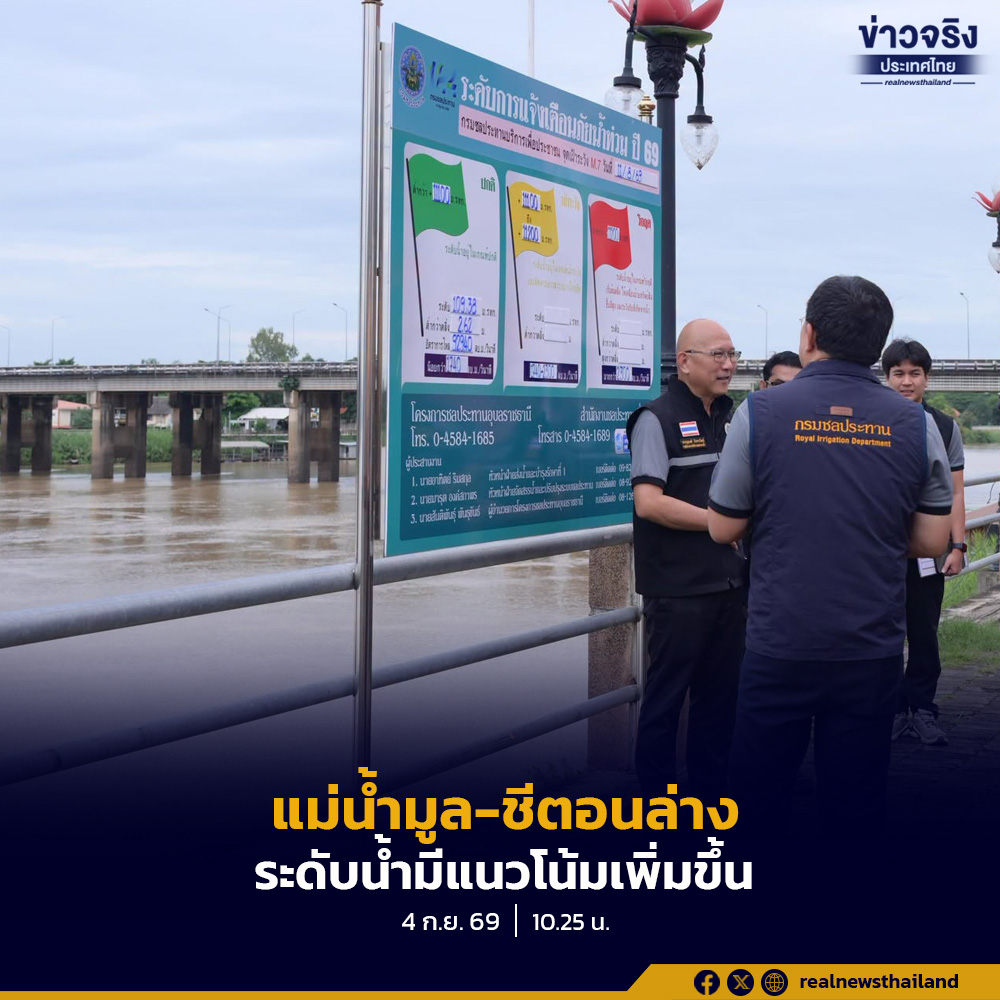
The Royal Irrigation Department (RID) reported on September 4, 2026, that water levels in the lower Mekong River are showing a downward trend, while the lower reaches of the Mun and Chi rivers are seeing water levels rise. The report noted that reservoirs such as the Lam Selayb Dam in Ubon Ratchathani and Pak Mun Dam are maintaining stable levels. This divergence highlights the complex interplay between local rainfall in Thai tributaries and the broader Mekong mainstream flow, which is increasingly influenced by upstream operations.
Chiang Rai faces "toxic basin" risk from new dams
A feature article published by The Momentum on September 5, 2026, warns that Chiang Rai province risks becoming a "toxic basin" if large-scale dams are constructed on the Mekong. The piece details how a mega-dam under construction downstream, combined with potential projects upstream, could block the river's natural flow and sediment transport, severely impacting the local ecosystem and water quality for both upper and lower sections of the Thai Mekong.

Climate change strands floating villages in Tonle Sap
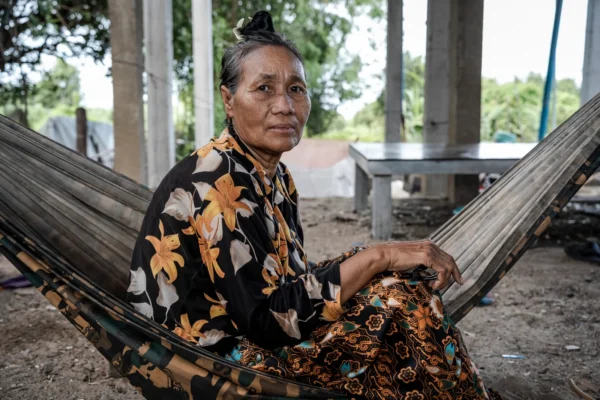
The Diplomat reported on September 4, 2026, that floating houses in Cambodia’s Tonle Sap lake are increasingly running aground as climate change alters regional weather patterns. The weakening annual flood pulse, driven by both climate variability and upstream dam operations, means the lake does not expand as it traditionally did, leaving fishing communities stranded on dry land and threatening their livelihoods.
Mekong ecosystem collapse observed in Mae Sai
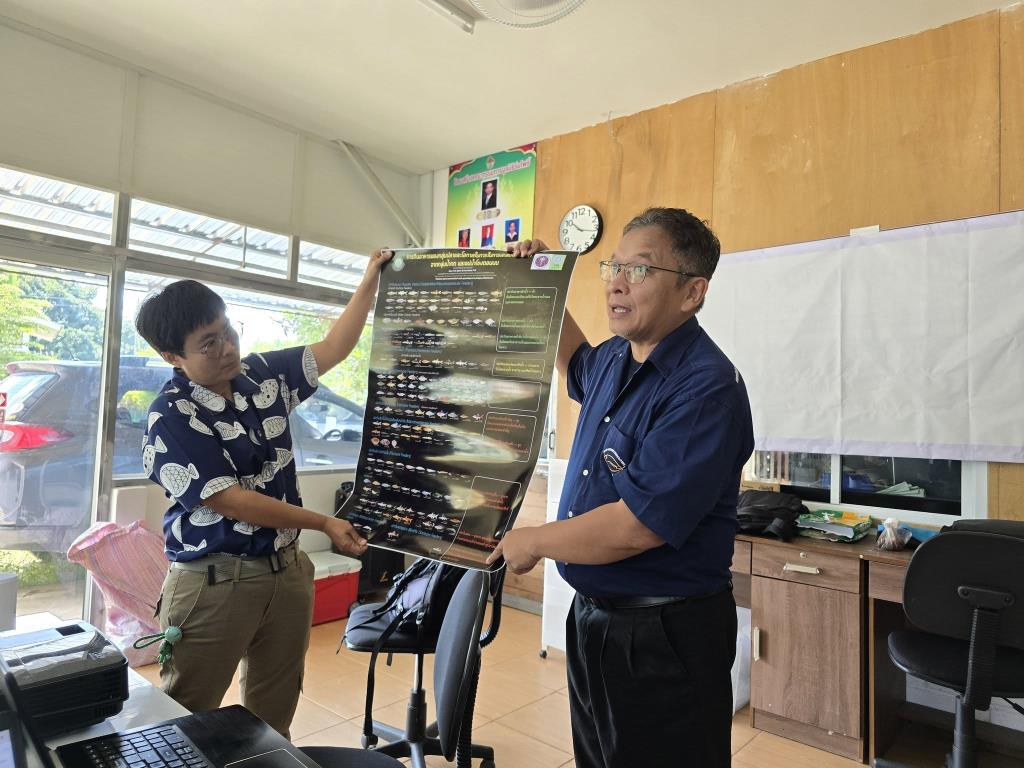
Researchers from Maejo University conducted field studies in early September 2026, finding severe ecological degradation in the Kok River (a Mekong tributary) from Mae Sai to Shan State. The study documented the disappearance of fish larvae and algae, indicating a collapse of the aquatic food web likely exacerbated by altered flow regimes and pollution, signaling broader risks for the Mekong's biodiversity.
Local view
Thai Media: The Momentum and MGR Online are focusing heavily on the environmental consequences of infrastructure projects in Northern Thailand. The Momentum frames the Chiang Rai dam issue as a critical threat to the river's health, using strong language like "toxic basin" to highlight the severity of the potential damage.
Cambodian Context: While specific local-language articles from Cambodia in this window are limited, The Diplomat highlights the tangible impact on Cambodian communities, noting that the traditional relationship between the Mekong and Tonle Sap is breaking down, forcing residents to adapt to a new reality of dry seasons that arrive too early or last too long.
Context & numbers
- Water Level Trends: Lower Mekong levels are decreasing, while Mun and Chi rivers are rising as of Sept 4, 2026.
- Flood Pulse Weakness: Climate change is causing Tonle Sap floating villages to run aground earlier than historical norms, disrupting the annual flood cycle essential for fisheries.
- Biodiversity Loss: Field surveys in the Kok River basin show significant declines in fish larvae and algae populations, serving as an early warning indicator for wider Mekong ecosystem health.
On the radar
- Upcoming Flood Season Monitoring: With the monsoon season ongoing, watch for further discrepancies between Thai tributary levels and the Mekong mainstream, which may indicate specific dam release schedules or upstream retention effects.
- Chiang Rai Project Updates: Keep an eye on official announcements regarding the status of proposed mega-dams in Chiang Rai, as public opposition and environmental assessments continue to gain traction in Thai media.
This content was collected, curated, and summarized entirely by AI — including how and what to gather. It may contain inaccuracies. Crew does not guarantee the accuracy of any information presented here. Always verify facts on your own before acting on them. Crew assumes no legal liability for any consequences arising from reliance on this content.
Powered by
