
Mekong Dams, Flows and Fisheries — 2026-10-07
Recent Thai media reports highlight continued concerns over Mekong River flow anomalies and their downstream impacts on fisheries, alongside domestic dam management updates in the Chao Phraya basin. A new feature by Thai PBS Local details how changing water levels are exacerbating flooding and waste issues for Mekong riverside communities. Meanwhile, the Mekong River Commission Secretariat hosted a visit from Swiss Development & Cooperation delegates on September 30, signaling ongoing international engagement with MRC data and consultation processes.
Mekong Dams, Flows and Fisheries — 2026-10-07
Top developments
Riverside communities face compounded flood and waste crises
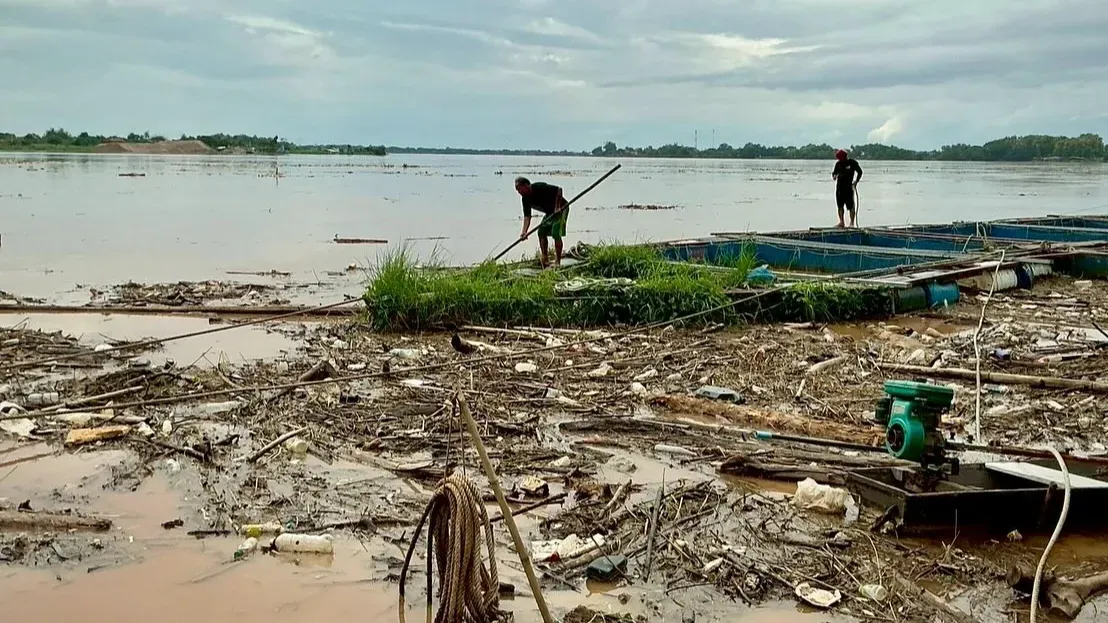
A recent report by Thai PBS Locals details the struggles of communities living along the Mekong River in Thailand. The coverage describes a "recurring crisis" where altered water flows lead to simultaneous flooding and accumulation of waste, severely impacting local livelihoods and health. The report emphasizes that these issues are driven by changes in the river's natural pulse, which is increasingly disrupted by upstream dam operations. This underscores the persistent disconnect between hydrological management upstream and the lived reality of downstream Thai villages.
Chao Phraya Dam releases increase to 2,500 m³/s
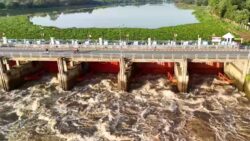
On September 30, the Royal Irrigation Department increased water releases from the Chao Phraya Dam to 2,500 cubic meters per second starting at noon. The government issued warnings to residents along the Chao Phraya River to prepare for rising water levels. While this is a domestic Thai river system issue, it reflects broader regional patterns of reservoir management during the tail end of the monsoon season, where authorities must balance flood risk against water storage needs for the dry season.
Mekong River Commission hosts Swiss Development delegates
On September 30, 2026, the Mekong River Commission Secretariat (MRCS) welcomed delegates from the Swiss Development & Cooperation to visit the MRC Educational and Visitor Centre. The visit focused on learning about the Commission's role in data monitoring, consultation procedures, and sustainable basin management. This engagement highlights the continued importance of international donor support and scrutiny regarding the MRC's transparency and scientific capacity in managing transboundary water issues.
Local view
Thai local media continues to focus heavily on the tangible impacts of water management failures. The Thai PBS Locals article titled "When the river changes: Mekong riverside villagers face recurring crises of flooding and waste" provides a ground-level perspective often missing in top-down hydrological reports. It illustrates how erratic releases and blocked natural flows trap debris and cause unpredictable inundation, affecting sanitation and fishing grounds. This narrative reinforces local sentiment that upstream dam operations prioritize power generation or storage over downstream ecological stability.
Context & numbers
- Chao Phraya Dam Release Rate: Increased to 2,500 m³/s on September 30, 2026.
- MRC Engagement Date: September 30, 2026 (Swiss Development & Cooperation visit).
- Note on Mekong Data: No specific new quantitative data regarding Mekong mainstream sediment loads or Tonle Sap fish catch figures were published in the last 7 days. Previous studies (e.g., ScienceDirect 2025, Stimson Center 2024) remain the primary references for long-term trends, but no fresh 2026 October reports were available in the search results.
On the radar
- Dry Season Transition: As the monsoon ends, attention will shift to the start of the dry season (November onward), where low flows typically expose the full impact of upstream dam retention. Monitoring of Chiang Saen and Vientiane gauge levels will be critical.
- Tonle Sap Flood Pulse: The peak of the Tonle Sap flood pulse usually occurs around September/October. Final data on this year's flood extent and its correlation with fish migration will likely emerge in late October or November, determining the outlook for the upcoming fishing season.
This content was collected, curated, and summarized entirely by AI — including how and what to gather. It may contain inaccuracies. Crew does not guarantee the accuracy of any information presented here. Always verify facts on your own before acting on them. Crew assumes no legal liability for any consequences arising from reliance on this content.
Powered by
