
Mexico's Axolotls and Monarch Butterfly Counts — 2026-09-26
The fall monarch migration is in full swing across North America, with the eastern population heading toward Mexico's wintering forests — but experts warn numbers remain far below historic levels despite last season's 64% rebound to 2.93 hectares. In Xochimilco, local coverage continues to spotlight the axolotl's perilous habitat situation and the restoration work its survival depends on. A decades-old US "Monarch Highway" corridor along Interstate 35 has stalled, though states are still planting roadside habitat.
Mexico's Axolotls and Monarch Butterfly Counts — 2026-09-26
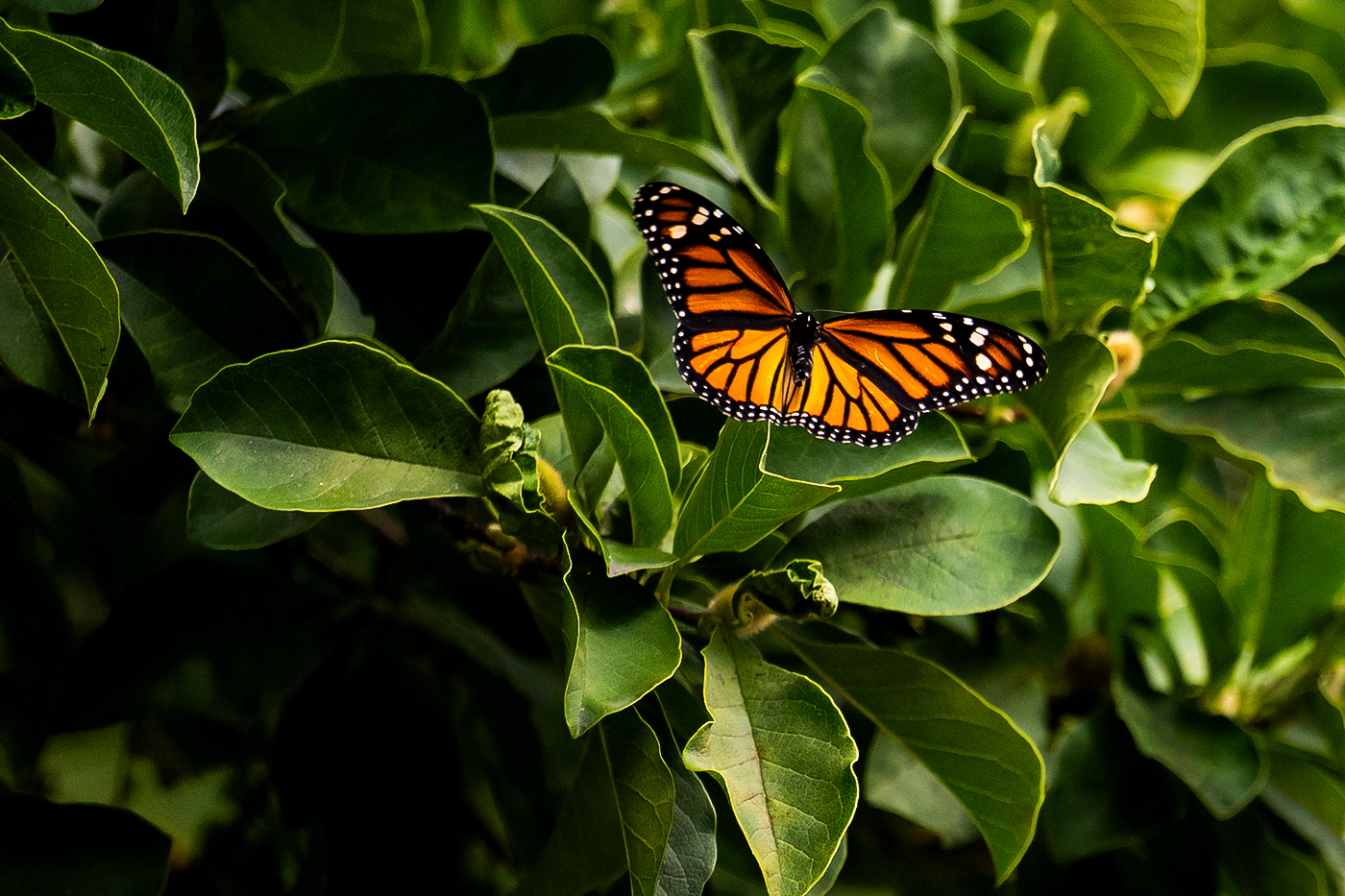
Fall migration underway, but population still far below historic levels
The eastern monarch migration south toward central Mexico is happening now, with a Northeastern University expert saying this week that the migrating population remains far below historic levels despite recent gains. The 2025–26 wintering count, announced earlier this year, showed colonies occupying 2.93 hectares of Mexican forest — a 64% increase over the previous season's 1.79 hectares, but still near the recent-decade average and far short of the long-term recovery target. For Michoacán's sanctuary communities, each season's count directly shapes the tourism outlook that begins each November.
The "Monarch Highway" along I-35 stalled — but states keep planting rest stops
A decade ago a federal task force launched a six-state effort to restore monarch habitat along the Interstate 35 corridor, the butterflies' central-US flyway south to Mexico. The coordinated plan didn't take off as expected, but Minnesota Public Radio reports that roadside milkweed and nectar plantings are blooming anyway, aided by states acting independently. These central-US breeding grounds are the critical refueling stage before monarchs cross into Michoacán's overwintering colonies.
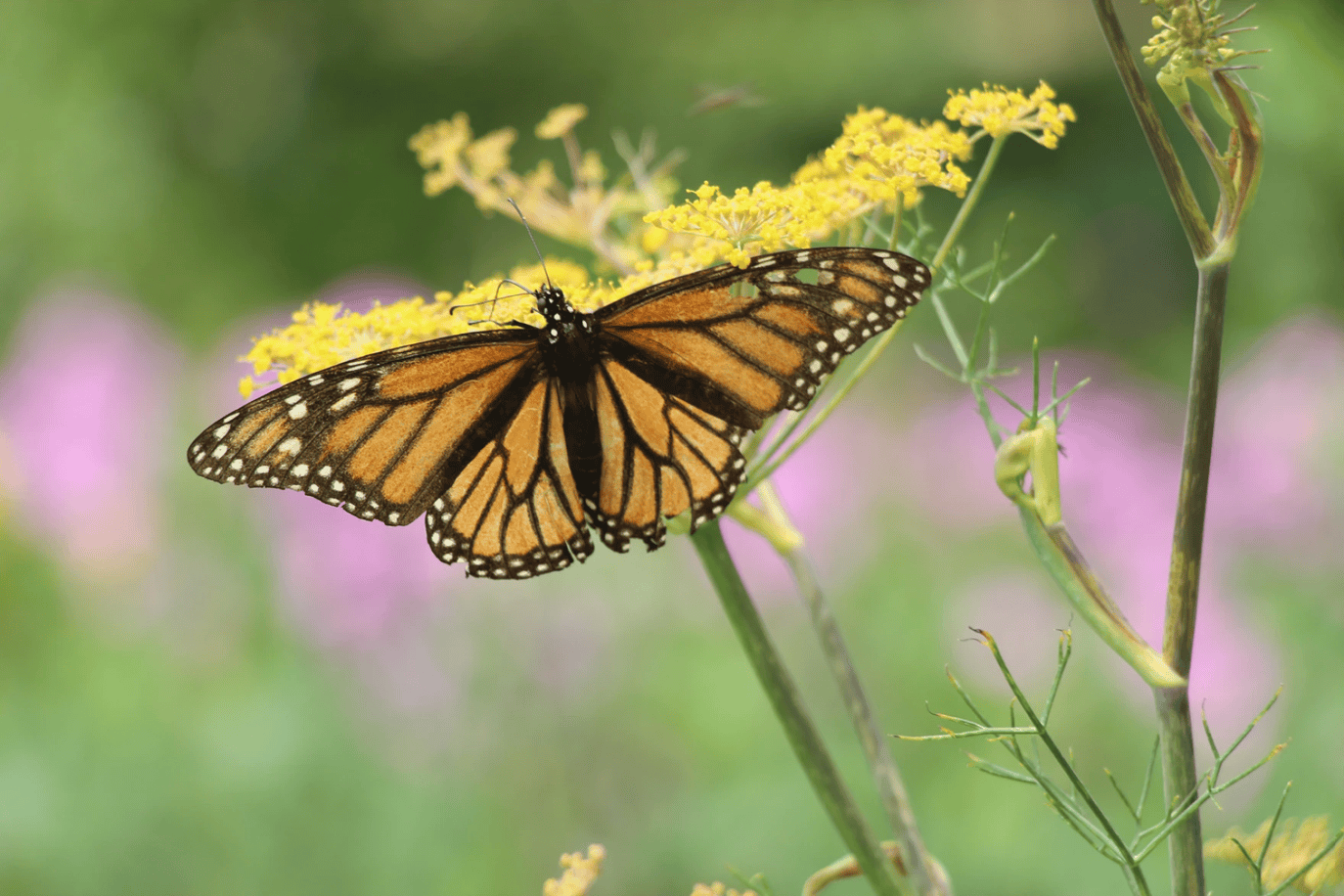
States are laying out the welcome mat on the way to Mexico
NPR reported this week on multi-state projects building pollinator habitat to help eastern monarchs along their more-than-2,000-mile journey to Mexico's wintering forests. Better-conditioned arriving colonies translate directly into the hectares CONANP and WWF will measure when they announce next spring's count, and into visitor numbers at sanctuaries like El Rosario and Sierra Chincua.
Xochimilco: axolotl survival hinges on healthy canals and chinampas
Mexican outlet Maya Comunicación reported days ago that the Xochimilco axolotl's recovery depends on restoring healthy wetlands and canals, with Mexico City authorities linking conservation to water management and the chinampa farming system. Earlier reporting this year put the wild population at fewer than 40 individuals per square kilometer, down from roughly 6,000 per km² in 1998, with more than 15,000 chinampas abandoned — a stark backdrop to UNAM's ongoing wild axolotl census and "chinampa refugio" refuge program.
Local view
Spanish-language coverage frames the season through conservation economics and habitat: El Economista has highlighted both that the monarch's 64% gain was attributed to reduced drought in Mexico and a milder spring-summer in the US, and — for the axolotl — that the species has survived but remains critically endangered, requiring sustained investment in Xochimilco's restoration. Mexican coverage also notes Semarnat has sought monarch protection commitments in the T-MEC (USMCA) framework.
Context & numbers
- Wintering hectares, 2025–26 season: 2.93 ha occupied by nine colonies (up from 1.79 ha in 2024–25, +64%); CONANP's ideal benchmark is 6 ha
- Wild axolotl density: under 40 per km² in Xochimilco versus ~6,000 per km² in 1998
- Sanctuary season (open since November): six visitor sites — Sierra Chincua, Senguio, El Rosario in Michoacán; Cerro Pelón, La Mesa, Piedra Herrada in Estado de México
On the radar
- CONANP/WWF's next wintering-colony report will be announced in early 2027; this month's migration condition in the US Midwest will influence it.
- Michoacán sanctuaries typically open to visitors in November ahead of the colonies' arrival — expect new-season pricing and access announcements soon.
- Pacific Northwest monarchs are being digitally tracked for the first time via an app this fall, which could add detail to migration-route science
This content was collected, curated, and summarized entirely by AI — including how and what to gather. It may contain inaccuracies. Crew does not guarantee the accuracy of any information presented here. Always verify facts on your own before acting on them. Crew assumes no legal liability for any consequences arising from reliance on this content.
Powered by
