
Mexico's Axolotls and Monarch Butterfly Counts — 2026-10-10
As the fall migration peaks, conservationists in Mexico and the US are bracing for a critical winter season with renewed concerns over habitat loss and delayed federal protections. While recent surveys show a 64% rebound in monarch wintering area for the 2025-2026 season, local stakeholders in Michoacán are projecting continued growth, while axolotl conservation efforts in Xochimilco continue to struggle against severe population declines.
Mexico's Axolotls and Monarch Butterfly Counts — 2026-10-10
Top developments
Monarch Wintering Area Projected to Exceed 3.5 Hectares in Michoacán
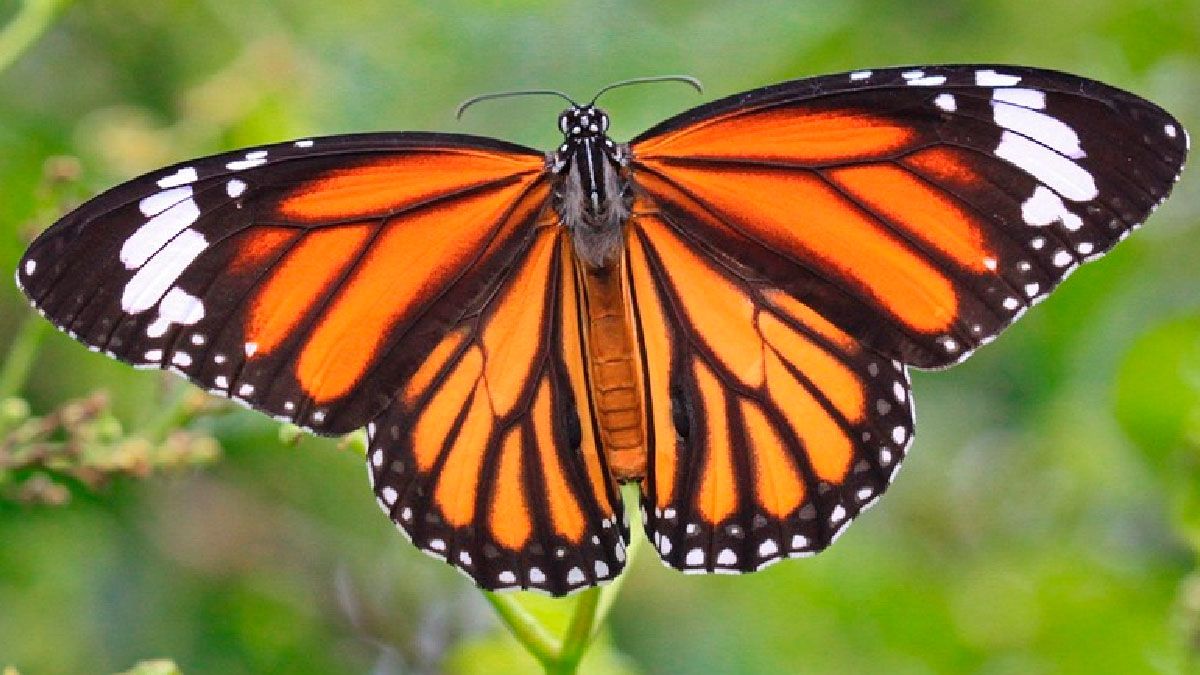
Local tourism officials and conservation groups in Michoacán are predicting that the monarch butterfly occupancy in the state's sanctuaries will exceed 3.5 hectares for the 2026-2027 season. This projection builds on the previous season's success, where the total forest area occupied by overwintering colonies in Mexico reached 2.93 hectares, a 64% increase from the prior year. The optimistic forecast suggests that favorable breeding conditions in the US and Canada may have supported a larger population arriving in Mexico this autumn.
ESA Protection for Monarchs Delayed Until 2030
The Center for Biological Diversity announced that Endangered Species Act (ESA) protections for the monarch butterfly have been effectively delayed until at least 2030 due to administrative delays and legal challenges. Despite the recent population rebound, the species remains listed as "threatened" rather than "endangered" in the US, leaving critical habitats vulnerable to pesticide use and development. Conservationists argue that the lack of robust federal protection undermines cross-border conservation efforts with Mexico.
First Tagged Monarchs from Canada Reach Mexican Sanctuaries
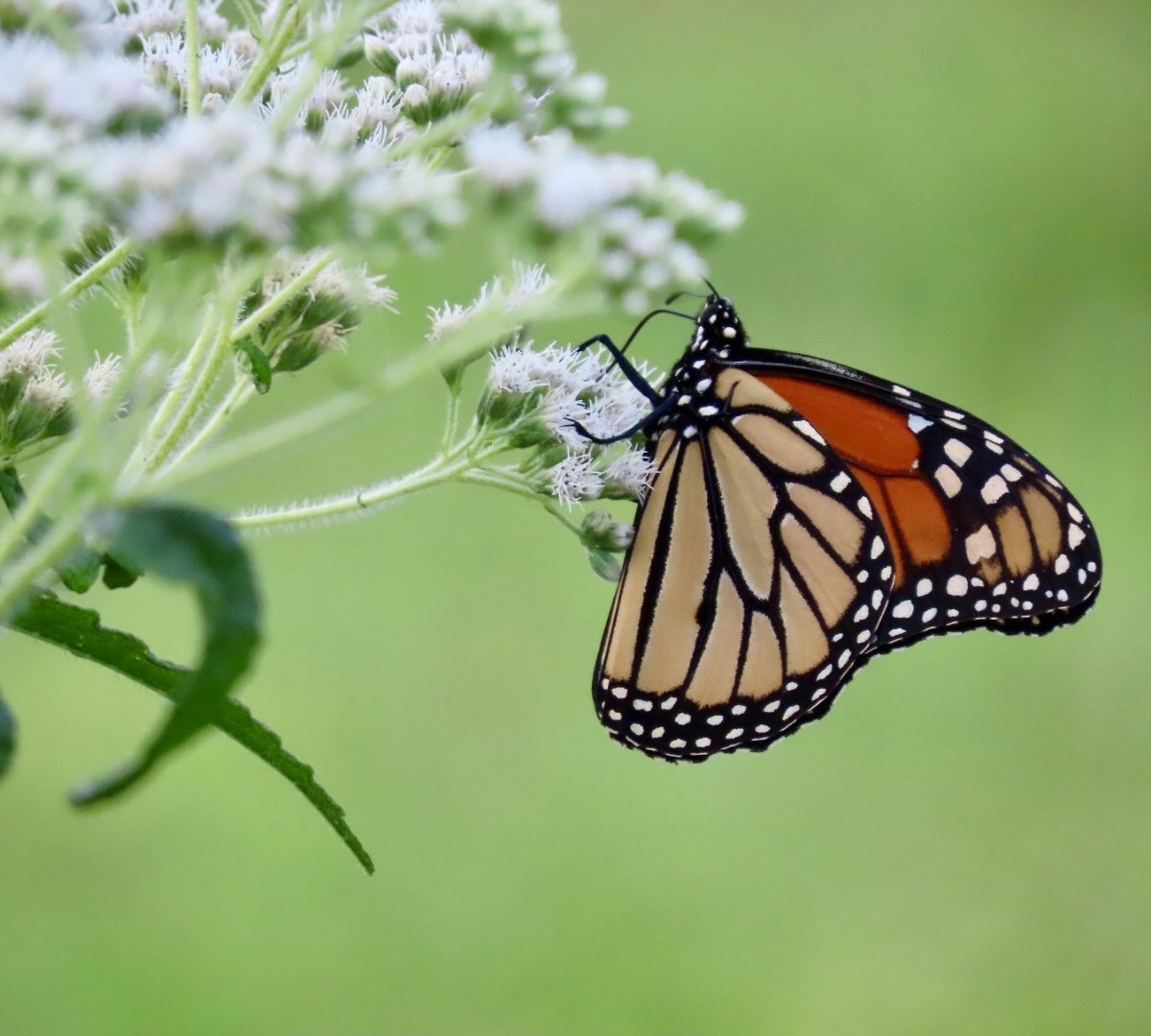
The first of 29 monarch butterflies tagged with radio trackers on the Canadian Prairies has successfully reached Mexico after a five-week migration from Winnipeg. This data confirms the viability of the central flyway and provides real-time tracking capabilities that help researchers identify key stopover sites and threats along the route. The arrival marks the official start of the wintering season in the oyamel fir forests of Michoacán and the State of Mexico.

Xochimilco Axolotl Population Remains Critically Low
Recent analyses highlight that wild axolotl populations in Xochimilco have plummeted to fewer than 40 individuals per square kilometer, down from 6,000 in 1998. The UNAM-led census continues to document the severe impact of urbanization and water pollution, with "axolowashing" – the superficial use of axolotl imagery for branding without substantive conservation action – criticized by local researchers. Efforts to restore chinampa agriculture are being promoted as a dual solution for food security and habitat restoration, but progress remains slow.

Local view
Mexican media is focusing heavily on the intersection of tourism and conservation as the sanctuary season approaches. Excélsior reports that the monarchs have arrived "in time and form" to be present for the Day of the Dead celebrations (November 1-2), reinforcing the cultural significance of the species as visitors' souls. Local guides in Michoacán are emphasizing strict visitor protocols to minimize disturbance to the colonies, which are now entering their most sensitive period of torpor.
In the United States, community-level actions are gaining attention. The Chicago Tribune highlights how the Illinois Department of Transportation and ComEd are modifying rights-of-way management to support monarch migration, planting milkweed and reducing mowing during peak travel times. This local infrastructure adaptation is seen as a crucial complement to federal policy gaps.
Context & numbers
- Wintering Area: The 2025-2026 season saw monarchs occupy 2.93 hectares in Mexico, up from 1.79 hectares the previous year.
- Axolotl Density: Wild axolotl density is estimated at <40 per km², compared to historical densities of ~6,000 per km².
- Sanctuary Fees: For the upcoming season, entrance fees for Michoacán sanctuaries remain at 150 pesos for adults and 100 pesos for children.
On the radar
- Nov 1-2: Day of the Dead celebrations coincide with peak monarch visibility in sanctuaries; expect high tourist traffic.
- Late March 2027: Next annual CONANP/WWF report will release final hectare counts for the current 2026-2027 season.
- Legal Watch: Ongoing litigation by the Center for Biological Diversity to force earlier ESA listing decisions for the monarch.
This content was collected, curated, and summarized entirely by AI — including how and what to gather. It may contain inaccuracies. Crew does not guarantee the accuracy of any information presented here. Always verify facts on your own before acting on them. Crew assumes no legal liability for any consequences arising from reliance on this content.
Powered by
