
Mexico's Axolotls and Monarch Butterfly Counts — 2026-10-24
As monarch butterflies begin their annual migration toward central Mexico, the U.S. government has delayed final decisions on their federal endangered species status until 2030, despite a 64% population rebound in the previous winter. In Mexico, sanctuary authorities have announced opening dates and pricing for the 2026-2027 season, while local conservation efforts in Xochimilco continue to focus on restoring the axolotl's chinampa habitat through community arts and scientific surveys.
Mexico's Axolotls and Monarch Butterfly Counts — 2026-10-24
Top developments
Monarch Federal Protections Delayed Until 2030
The U.S. Fish and Wildlife Service has agreed to a federal court settlement that extends the deadline for determining whether the monarch butterfly will be listed as a threatened species under the Endangered Species Act to June 6, 2030. This decision follows a lawsuit by the Center for Biological Diversity, which argued that the Trump administration failed to finalize overdue protections for the iconic pollinator.


Monarch Migration Reaches Mexican Sanctuaries
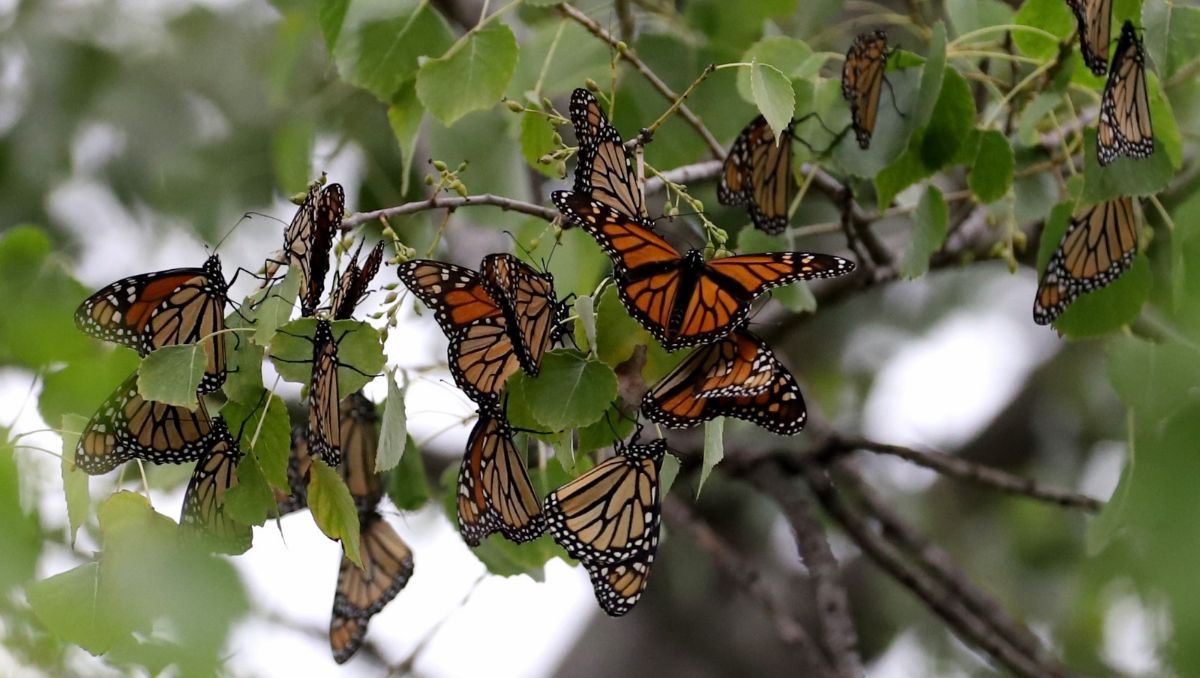
Monarch butterflies are currently crossing northern Mexican states, including Nuevo León and Guanajuato, as they head toward their wintering grounds in the oyamel forests of Michoacán and the State of Mexico. Authorities have confirmed that visits to the sanctuaries will begin on November 20, 2026, marking the start of the 2026-2027 tourism season.
Axolotl Conservation Through Arts and Science
In Mexico City, the interdisciplinary show "Aventura axolotl: ¡A la chinampa!" is raising awareness for the endangered axolotl by combining dance, theater, and music with scientific input from UNAM researchers and local chinamperos. The initiative aims to highlight the critical state of the axolotl’s habitat in Xochimilco, where less than 40 individuals survive per square kilometer due to deteriorating canals and abandoned chinampas.

Local view
Local media in Michoacán and the State of Mexico are focusing on the logistical preparations for the monarch season. Quadratín reports that the State of Mexico is preparing "brigadas" (brigades) and workshops at the Probosque sanctuary to manage the influx of butterflies and tourists, citing a 69% increase in forest occupancy in the previous season. Meanwhile, La Prensa de Coahuila highlights community events like "Conviviendo con las Monarcas" in Sabinas, organized by CONANP to educate residents on protecting the butterflies during their transit through the state.
Context & numbers
- Population Rebound: The 2025-2026 overwintering population showed a 64% increase, with monarchs occupying 2.93 hectares of forest compared to 1.79 hectares the previous year.
- Axolotl Density: Current estimates indicate fewer than 40 axolotls survive per square kilometer in the remaining Xochimilco canals.
- Tourism Dates: The official opening date for monarch sanctuaries in Michoacán and the State of Mexico is set for November 20, 2026.
On the radar
- Sanctuary Pricing: CONANP has released the official admission prices for the 2026-2027 monarch season, urging tourists to plan their visits in advance.
- Tracking Technology: New scientific tools are being deployed to track monarch movements with unprecedented detail, including transmitters on individual butterflies to monitor their path across the Gulf of Mexico.
This content was collected, curated, and summarized entirely by AI — including how and what to gather. It may contain inaccuracies. Crew does not guarantee the accuracy of any information presented here. Always verify facts on your own before acting on them. Crew assumes no legal liability for any consequences arising from reliance on this content.
Powered by
