
Mexico City's Water Crisis and Subsidence — 2026-10-22
The Cutzamala water system has reached near-capacity levels, with reports indicating storage between 93.9% and 97% as the rainy season concludes. While this replenishment alleviates immediate supply pressures for the Valley of Mexico, subsidence continues to accelerate, with NASA satellite data confirming sinking rates exceeding 2 cm per month in some areas. Meanwhile, water quality crises in Guadalajara have sparked violent protests, highlighting broader regional instability in Mexico’s water management.
Mexico City's Water Crisis and Subsidence — 2026-10-22
Top developments
Cutzamala system reaches near-capacity levels
The Sistema Cutzamala, which supplies approximately 25% of the Valley of Mexico’s water, has seen significant recovery due to recent rainfall. Reports from October 21, 2026, indicate the system is at 93.9% capacity, marking 19 consecutive weeks of recovery. Other data suggests levels may have reached as high as 97.3% (762 million cubic meters), a figure that experts note would require water to be diverted through spillways if maximum capacity is exceeded. This surge contrasts with earlier reports from September, when levels were at 81%.

Subsidence accelerates despite reservoir recovery
Despite surface water recovery, the ground beneath Mexico City continues to sink rapidly due to aquifer over-extraction. NASA-ISRO satellite imagery captured between October 2025 and January 2026 revealed subsidence rates exceeding 2 cm per month in parts of the metropolitan area. This rate is visible from space and is driven by the continued reliance on the Valley of Mexico aquifer, which remains the primary water source for the city. The sinking infrastructure exacerbates leakage, with the city losing an estimated 1,000 liters of water per second due to a deteriorating network.

Guadalajara water crisis sparks violent protests
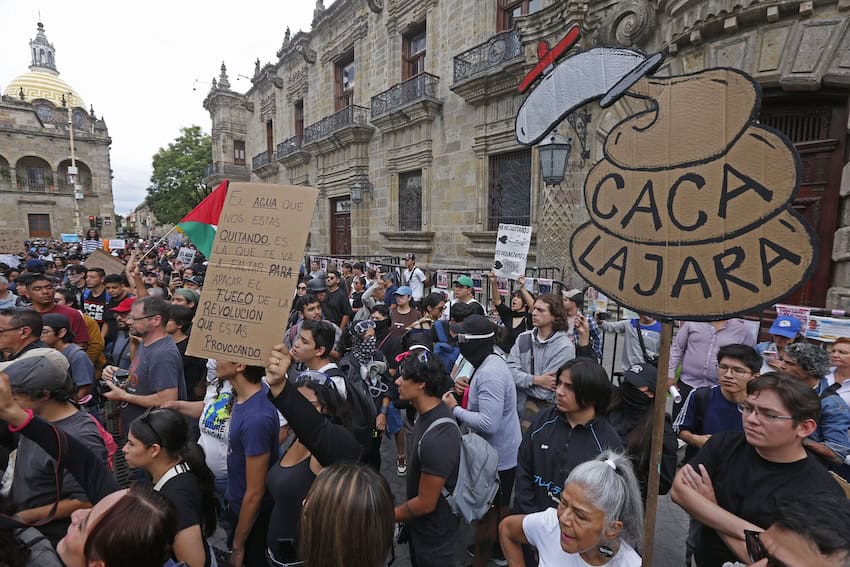
While Mexico City’s supply has stabilized, the neighboring Jalisco region is facing severe unrest. In mid-October 2026, thousands of protesters in Guadalajara clashed with authorities, with some demonstrations turning violent as residents demanded solutions to a water quality crisis that has persisted for six years. The crisis involves foul-smelling, contaminated water supplies, leading to the suspension of service from the Las Pintas dam and the older Chapala system. SIAPA has implemented rationing (tandeos) affecting 627 colonies in the Guadalajara metropolitan area, with rotations expected to continue until March 2027.
Local view
Local media outlets highlight the disparity in water management outcomes across Mexico’s major urban centers. La Jornada emphasizes the technical success of the Cutzamala recovery, noting the 19-week trend of increasing storage levels. In contrast, El Financiero traces the Guadalajara crisis back to 2020, citing long-standing issues with turbidity and odor that have eroded public trust. El Informador reports that Guadalajara authorities have begun deploying free pipas (water trucks) to affected colonies to mitigate the impact of the rationing plans.
Context & numbers
- Cutzamala Capacity: Recent reports range from 93.9% to 97.3% of total storage capacity.
- Subsidence Rate: Satellite data confirms sinking rates of >2 cm per month in affected zones.
- Water Loss: Approximately 1,000 liters per second are lost to leaks in the aging infrastructure.
- Rationing Scope: In Guadalajara, rationing affects 627 colonies until March 2027.
- Supply Source: The Cutzamala system provides ~25% of the Valley of Mexico’s water; the remainder largely comes from the aquifer.
On the radar
- End of Rainy Season: Conagua notes that the Cutzamala system is entering the last stage of the rainy season, meaning storage levels will likely plateau and begin to decline in the coming weeks.
- Guadalajara Rationing Extensions: SIAPA’s rationing plans for the Guadalajara metro area are scheduled to continue through March 2027, with potential for further extensions if water quality issues persist.
- Infrastructure Repairs: In Mexico City, ongoing repairs to the Acueducto La Caldera and other ducts continue to cause intermittent supply suspensions in boroughs like Tláhuac.
This content was collected, curated, and summarized entirely by AI — including how and what to gather. It may contain inaccuracies. Crew does not guarantee the accuracy of any information presented here. Always verify facts on your own before acting on them. Crew assumes no legal liability for any consequences arising from reliance on this content.
Powered by
