
Mexico City's Water Crisis and Subsidence — 2026-09-08
Recent heavy rains have pushed the Cutzamala reservoir system to 81% capacity, its highest level in a decade, temporarily easing the acute water shortage fears that plagued Mexico City earlier this year. Despite this recovery, local media and experts warn that structural issues like aquifer over-extraction and subsidence remain unresolved, with rationing schedules still active in vulnerable boroughs.
Mexico City's Water Crisis and Subsidence — 2026-09-08
Top developments
Cutzamala Reservoirs Reach 81% Capacity
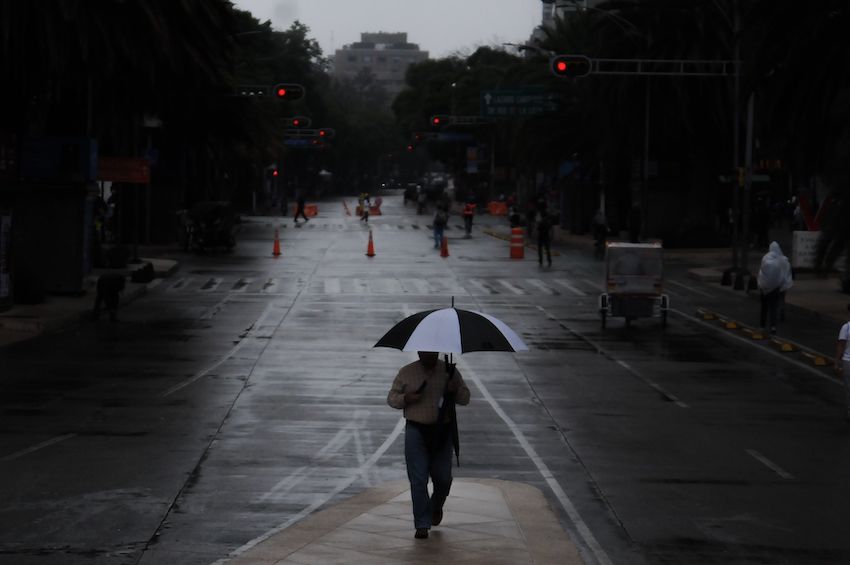
Steady August rains have significantly replenished the Cutzamala system, which supplies a quarter of the Valley of Mexico's water. As of early September 2026, storage levels hit 81%, marking the highest point in ten years and providing a temporary buffer against "Day Zero" scenarios. This recovery is critical for stabilizing supply for millions of residents in the metropolitan area who faced severe rationing during the previous dry season.
Local Media Debate End of Rationing Amidst Recovery
Spanish-language outlets like Infobae are reporting on whether the current reservoir levels signal the end of strict water cuts (recortes) in CDMX and the State of Mexico. While the system is recovering from recent droughts, authorities maintain that infrastructure limitations mean some boroughs still face intermittent supply issues. The discussion highlights the tension between short-term weather relief and long-term water security challenges.

Subsidence Remains a Critical Structural Threat
Despite improved surface water levels, the underlying crisis of land subsidence continues to damage infrastructure. New data indicates parts of Mexico City are sinking at rates exceeding 0.5 inches per month, visible via NASA radar imagery. This rapid sinking is driven by aquifer over-extraction, which compacted the ancient lakebed beneath the city, causing pipes to break and necessitating costly repairs even when reservoir levels are adequate.

Local view
Local stakeholders and media outlets are cautiously optimistic but skeptical about long-term stability. DigitalMEX notes that while the Cutzamala system has recovered, the historical context of low levels in late 2023 serves as a warning that climate variability can reverse gains quickly. Local residents in boroughs like Iztapalapa continue to rely on pipa (water truck) deliveries during scheduled outages, highlighting that the "crisis" is still felt daily despite the improved aggregate reservoir numbers.
Context & numbers
- Reservoir Level: The Cutzamala system is currently at 81% capacity, up from critical lows earlier in the year.
- Subsidence Rate: Parts of the city are sinking at >0.5 inches per month, one of the fastest rates globally.
- Supply Contribution: Cutzamala provides approximately 25% of the Valley of Mexico's total water demand (15 out of 60 m³/s).
On the radar
- Hurricane Season Impact: Meteorologists are monitoring the remainder of the Atlantic hurricane season, as additional rainfall could further boost reservoir levels or cause flooding that disrupts pumping stations.
- Infrastructure Repairs: Ongoing maintenance on major ducts, such as recent works in Tláhuac, may cause localized tandeo (rotating) rationing even as overall system levels remain high.
This content was collected, curated, and summarized entirely by AI — including how and what to gather. It may contain inaccuracies. Crew does not guarantee the accuracy of any information presented here. Always verify facts on your own before acting on them. Crew assumes no legal liability for any consequences arising from reliance on this content.
Powered by
