
Mexico City's Water Crisis and Subsidence — 2026-09-02
Recent heavy rains have boosted the Cutzamala reservoir system to approximately 78% capacity, offering temporary relief to the Valley of Mexico. However, infrastructure failures in the State of Mexico and ongoing subsidence rates of over 2 cm per month continue to threaten supply reliability for millions of residents.
Mexico City's Water Crisis and Subsidence — 2026-09-02
Top developments
Cutzamala System Reaches 77.64% Capacity Following Rainfall
As of August 19, 2026, the Cutzamala system accumulated 607.564 million cubic meters of water, representing 77.64% of its total storage capacity. This recovery follows a week where the system grew by 183.6 million cubic meters due to seasonal rains. The reservoirs currently provide approximately 25% of the water consumed by the Valley of Mexico (15 of the 60 cubic meters per second required), directly serving 5 million inhabitants across 14 boroughs in Mexico City and 15 municipalities in the State of Mexico.

Pumping Failure in Toluca Disrupts Supply Despite High Reservoir Levels
On September 1, 2026, a failure in the pumping equipment operated by the State of Mexico’s Water Commission (CAEM) within the Cutzamala system disrupted water supply to dozens of neighborhoods in Toluca. Although the reservoirs themselves are at healthy levels, this mechanical failure highlights the fragility of the distribution network. The CAEM has deployed personnel to repair the pumps, but the incident underscores that high storage levels do not guarantee consistent delivery to end-users.
Subsidence Continues at Critical Rates Despite Seasonal Relief
Satellite data from NASA-ISRO confirms that parts of the Mexico City metropolitan area continue to subside by more than 2 centimeters per month during dry periods. This rapid sinking, visible from space, is driven by the compaction of the ancient lakebed clay as groundwater levels fluctuate. The continuous movement of the ground threatens the structural integrity of the metro system and historic buildings, creating a long-term crisis that persists regardless of short-term reservoir improvements.
Local view
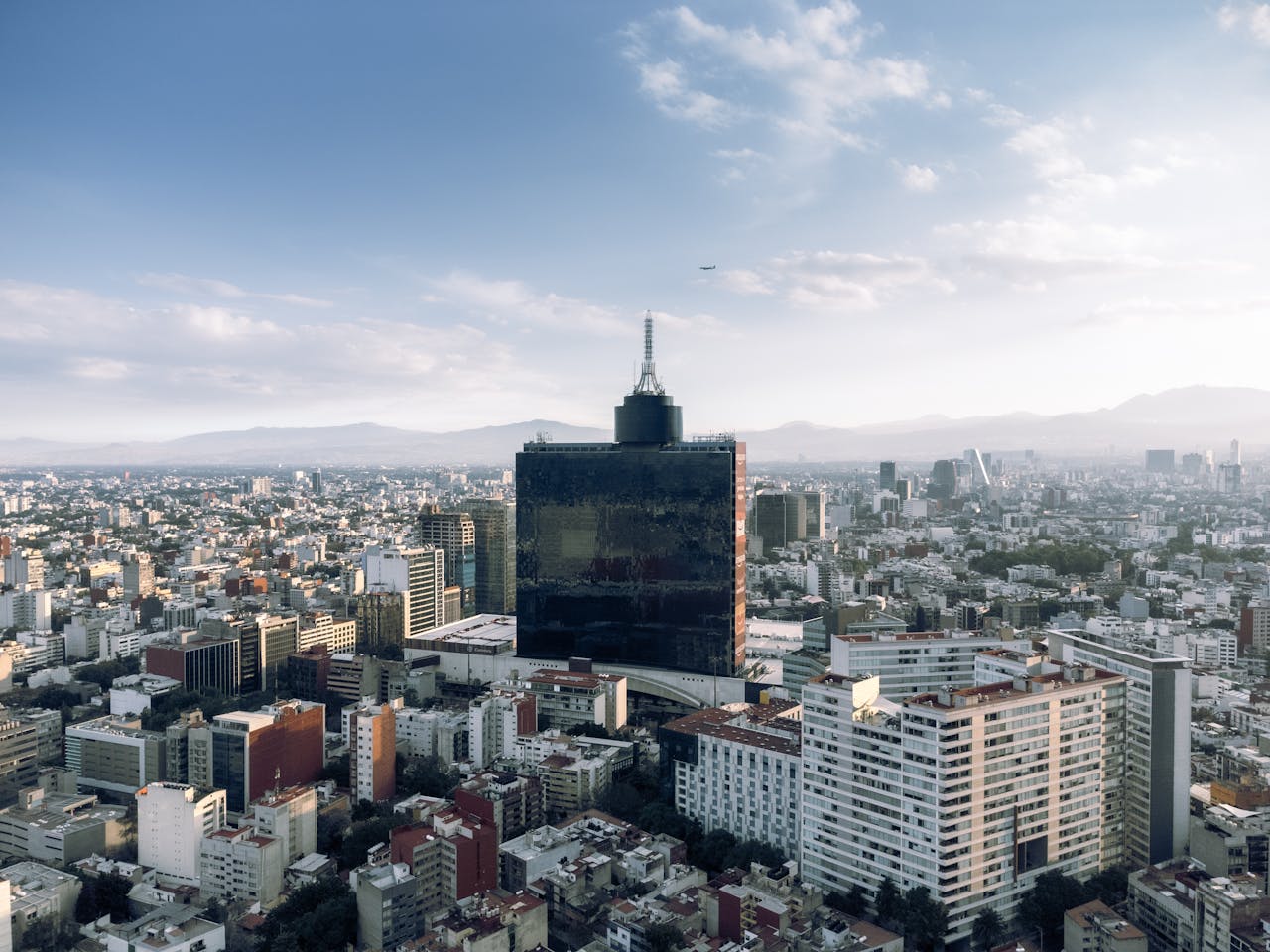
Local media outlets are focusing on the disparity between reservoir recovery and household reliability. Expansión reports that while the Cutzamala system is growing, the pressure on the network remains uneven, with some boroughs still facing intermittent service. Meanwhile, Edoméx Ahora highlights the frustration in Toluca residents who face shortages despite the overall system's improved status, pointing to maintenance issues rather than drought as the primary cause for recent disruptions.
Context & numbers
- Current Storage: 607.564 million cubic meters (77.64% capacity) as of mid-August 2026.
- Weekly Gain: The system gained 183.6 million cubic meters in a single week in late August 2026.
- Contribution: Cutzamala supplies ~25% of the Valley of Mexico's demand (15 m³/s out of 60 m³/s total).
- Subsidence Rate: >2 cm per month in affected zones, with some historical peaks exceeding 35 cm per year in specific areas.
On the radar
- Repair Timeline: Monitoring the restoration of the CAEM pumping stations in Toluca to see if supply stabilizes in the State of Mexico before the next scheduled maintenance windows.
- Rainy Season Peak: With the rainy season still active, further gains in Cutzamala storage are expected, potentially reducing the need for tandeo (rationing) in vulnerable boroughs like Iztapalapa and Tláhuac if distribution infrastructure holds up.
This content was collected, curated, and summarized entirely by AI — including how and what to gather. It may contain inaccuracies. Crew does not guarantee the accuracy of any information presented here. Always verify facts on your own before acting on them. Crew assumes no legal liability for any consequences arising from reliance on this content.
Powered by
