
Moldova Wine and Orchard Exports — 2026-10-26
Moldova’s agricultural exports are showing resilience in specific sectors despite broader volume declines. While total wine exports dropped by 16% in the first half of 2026, the sector is pivoting toward higher-value products and new markets, with Nigeria entering the top three destinations. Meanwhile, table grape exports have remained robust, with APESM forecasting that 2026 volumes will match or exceed last year’s levels, driven by strong demand in the EU.
Moldova Wine and Orchard Exports — 2026-10-26
Top developments
Table grape exports hold steady despite seasonal pressures
As of October 20, 2026, Moldova has exported approximately 17,700 tonnes of table grapes, generating €13.85 million in revenue. The Association of Moldovan Fruit and Vegetable Producers (APESM) predicts that full-year exports will be at least equal to those of 2025, defying earlier concerns about weather-related yield impacts. This stability is crucial for local producers who rely on consistent EU demand, particularly as the country navigates the transition to stricter EU compliance standards.

Wine volumes fall but value per liter rises
Data from the first seven months of 2026 shows that while wine export volumes fell by 16% compared to 2025 (dropping to 61.5 million liters), the average price per liter increased. Specifically, the price of bottled wine rose by 8%, bulk wine by 11%, and sparkling wine saw significant gains. This trend indicates a strategic shift away from low-margin bulk sales toward higher-value bottled products, a move aligned with Moldova’s goal to increase added value in agro-food exports.
Plum exports surge with 80% bound for the EU
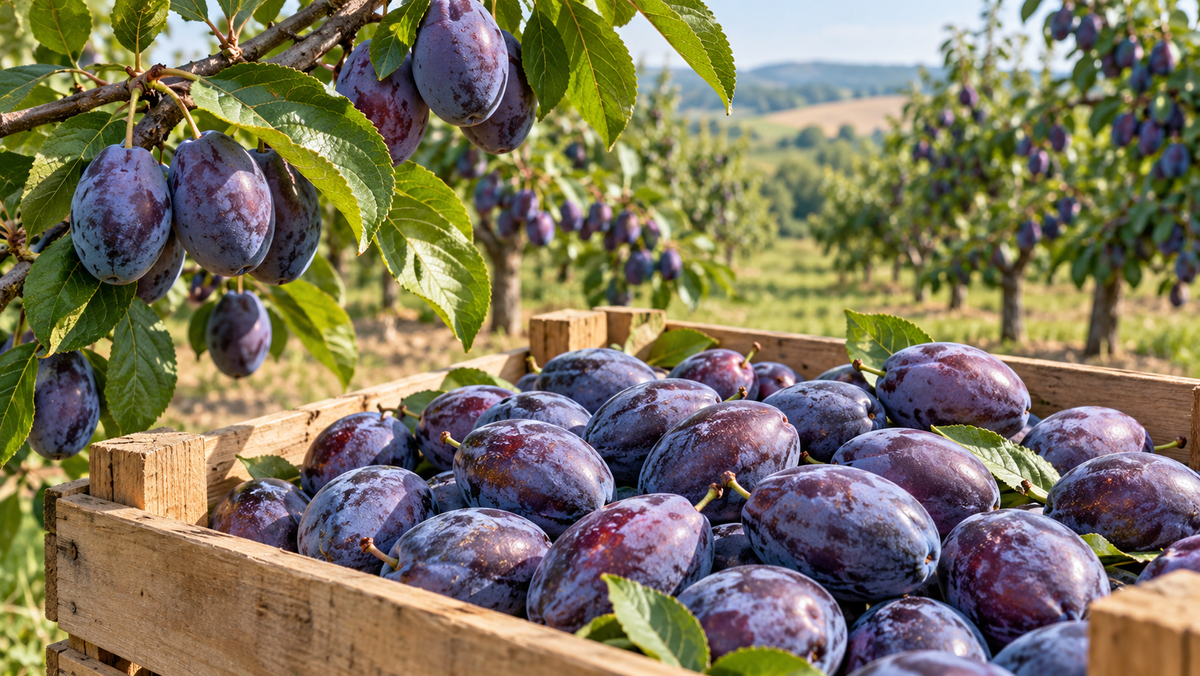
Nearly 80% of prunes exported from Moldova since the beginning of the year have been destined for the European Union, with Romania and Germany serving as the primary markets. Total shipments have approached 40,000 tonnes, with a value exceeding $24 million. This concentration in the EU highlights the success of the pivot away from traditional Eastern markets, although it also increases vulnerability to EU regulatory changes.
Local view
Local media outlets like Logos Press and EastFruit are emphasizing the divergence between volume and value in the wine sector. Logos Press reports that the decline in wine volumes is partly attributed to unfavorable weather conditions affecting the harvest, yet the industry is adapting by focusing on quality over quantity. Meanwhile, Ziar.md highlights the strong performance of the plum sector, noting that local farmers are benefiting from high EU demand despite global market fluctuations.
Context & numbers
- Wine Exports (Jan–Jul 2026): 61.5 million liters, valued at $116.2 million. Volume down 16% YoY, but value per liter increased.
- Table Grape Exports (Aug 1–Oct 20, 2026): 17,700 tonnes, valued at €13.85 million.
- Plum Exports (YTD 2026): ~40,000 tonnes, valued at >$24 million; 80% destined for the EU.
- General Export Growth: Total goods exports from Moldova grew by 9.3% in Jan–Aug 2026 compared to the same period in 2025, reaching €2.239 billion.
On the radar
- EU Accession Negotiations: The EU and Moldova have opened negotiations on the internal market and competitiveness clusters, which could further align Moldovan agricultural standards with EU requirements.
- China Market Expansion: Moldovan authorities are planning to boost exports of wine, honey, and fruits to China, aiming to diversify markets beyond the EU and Russia.
- Honey Sector Challenges: While honey production is expected to reach 5,000 tonnes in 2026, local producers face pressure from low purchase prices and high commercial margins.
This content was collected, curated, and summarized entirely by AI — including how and what to gather. It may contain inaccuracies. Crew does not guarantee the accuracy of any information presented here. Always verify facts on your own before acting on them. Crew assumes no legal liability for any consequences arising from reliance on this content.
Powered by
