
Mongolia's Democracy Between China and Russia — 2026-10-20
Mongolia's democracy faces renewed scrutiny as electoral reforms aim to shield the nation from autocratic pressure, while a severe fuel crisis exposes the fragility of its "Third Neighbor" diplomacy. Recent analyses highlight the tension between internal anti-corruption efforts and the geopolitical squeeze from Beijing and Moscow, with new parliamentary dynamics emerging under Prime Minister Uchral Nyam-Osor.
Mongolia's Democracy Between China and Russia — 2026-10-20
Top developments
Electoral reforms as a shield for democracy
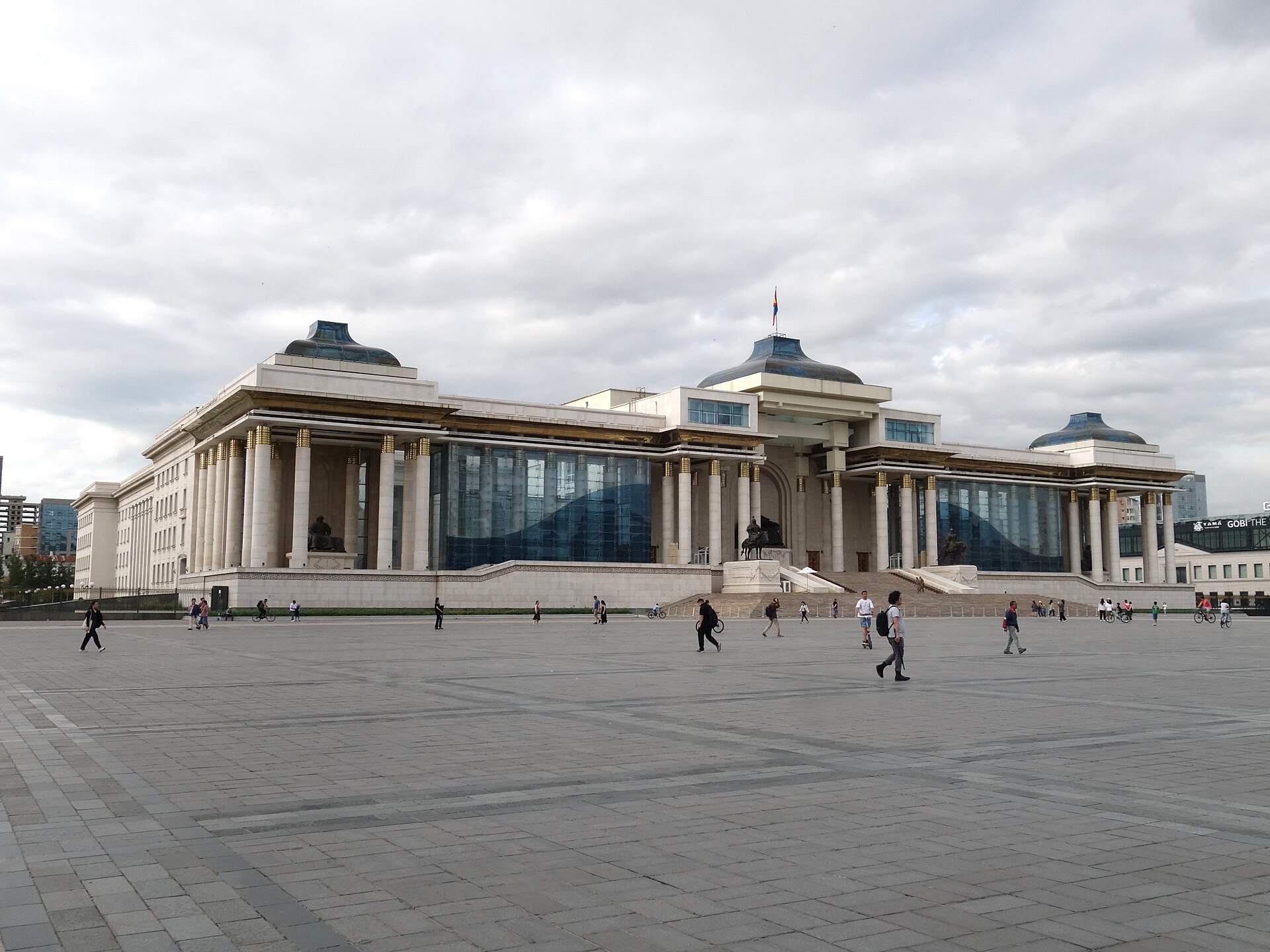
A new analysis published on October 16, 2026, examines how Mongolia’s recent electoral reforms are designed to protect its democratic institutions in a region dominated by autocratic powers. The report argues that these reforms are critical for maintaining sovereignty and preventing internal corruption from destabilizing the government, offering a model for nations situated between China and Russia.
Prime Minister Uchral Nyam-Osor’s reform mandate
In an article published around October 7, 2026, the International Relations Review assessed the early tenure of Prime Minister Uchral Nyam-Osor, Mongolia’s third leader in two years. The piece notes that while his initial months showed promise, his ability to tackle political turmoil and sustain reform remains uncertain, highlighting the persistent instability within the ruling Mongolian People’s Party.

Fuel crisis underscores diplomatic limits
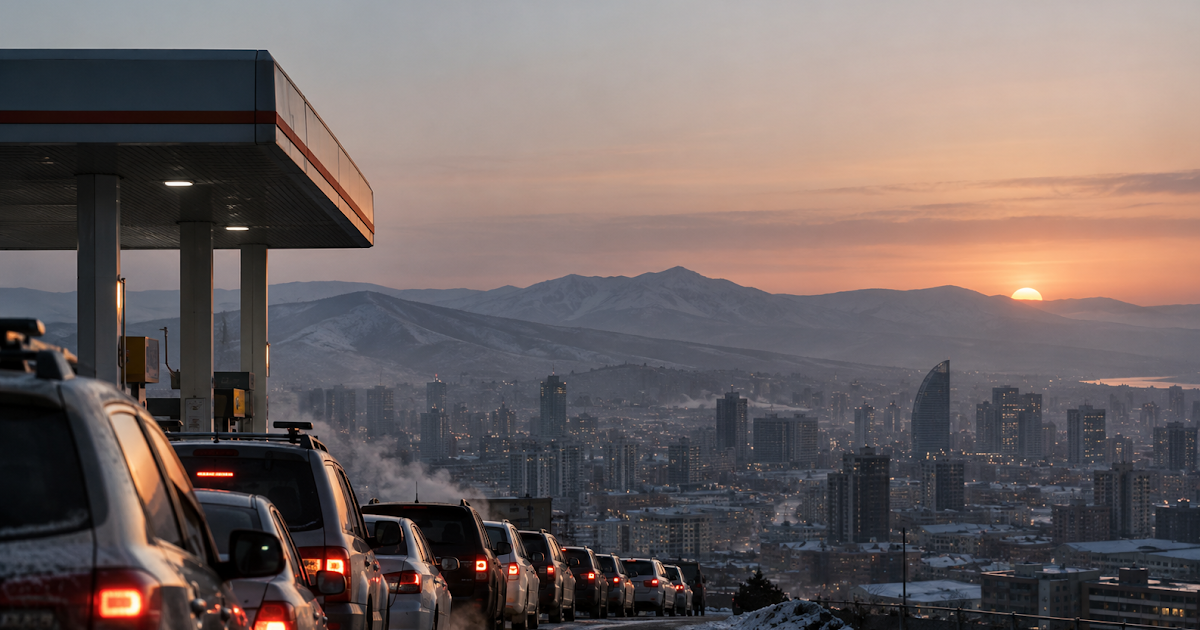
The ongoing fuel shortage, which sparked protests in early October, continues to dominate the political discourse. An analysis from early October (still circulating in recent briefs) details how the crisis exposes the limitations of Mongolia’s dependence on Russian supplies and the practical challenges of its "Third Neighbor" policy. The shortage has strained public trust in the government’s ability to manage supply chains independent of its two giant neighbors.
Local view
Recent coverage in Mongolian media has focused on economic pressures impacting daily life, with discussions on debt sustainability and bond prices appearing in financial outlets like EBC Financial Group. Local discourse also reflects on the broader global context of protests, as seen in reports on French and US demonstrations, which resonate with Mongolian citizens’ experiences with civil unrest over economic issues.
Context & numbers
The country’s economic health remains tightly linked to commodity prices, with 2025 data showing a divergence between volume and value. While coal export volumes hit record highs, the total export value fell to $5.8 billion, a 34% year-over-year decrease due to weakened demand from China’s industrial sector. This economic backdrop complicates the government’s ability to fund social programs and manage debt, fueling public dissatisfaction.
On the radar
- Arctic Axis Geopolitics: Recent reports from October 16, 2026, indicate that China and Russia are quietly moving toward a new Arctic axis, a development that could further marginalize Mongolia’s traditional diplomatic balancing act if it fails to engage with emerging Northern routes.
- Russian Fossil Fuel Revenues: A September 2026 analysis (published in early October) notes that Russia’s fossil fuel export revenues have fallen due to sanctions, which may impact Moscow’s willingness or ability to subsidize energy exports to neighbors like Mongolia, potentially worsening the current fuel crisis.
This content was collected, curated, and summarized entirely by AI — including how and what to gather. It may contain inaccuracies. Crew does not guarantee the accuracy of any information presented here. Always verify facts on your own before acting on them. Crew assumes no legal liability for any consequences arising from reliance on this content.
Powered by
