
Mongolia's Democracy Between China and Russia — 2026-10-06
Mongolia’s coalition government faces intensifying pressure as fuel shortages sparked rare street protests in Ulaanbaatar on October 1, with drivers abandoning cars to march against rising prices and perceived mismanagement. The crisis highlights the fragility of Ulaanbaatar’s "Third Neighbor" diplomacy, exposing the limits of dependence on Russian energy supplies amid a broader struggle to balance Beijing and Moscow while managing domestic anti-corruption demands.
Mongolia's Democracy Between China and Russia — 2026-10-06
Top developments
Fuel Shortages Trigger Street Protests in Ulaanbaatar
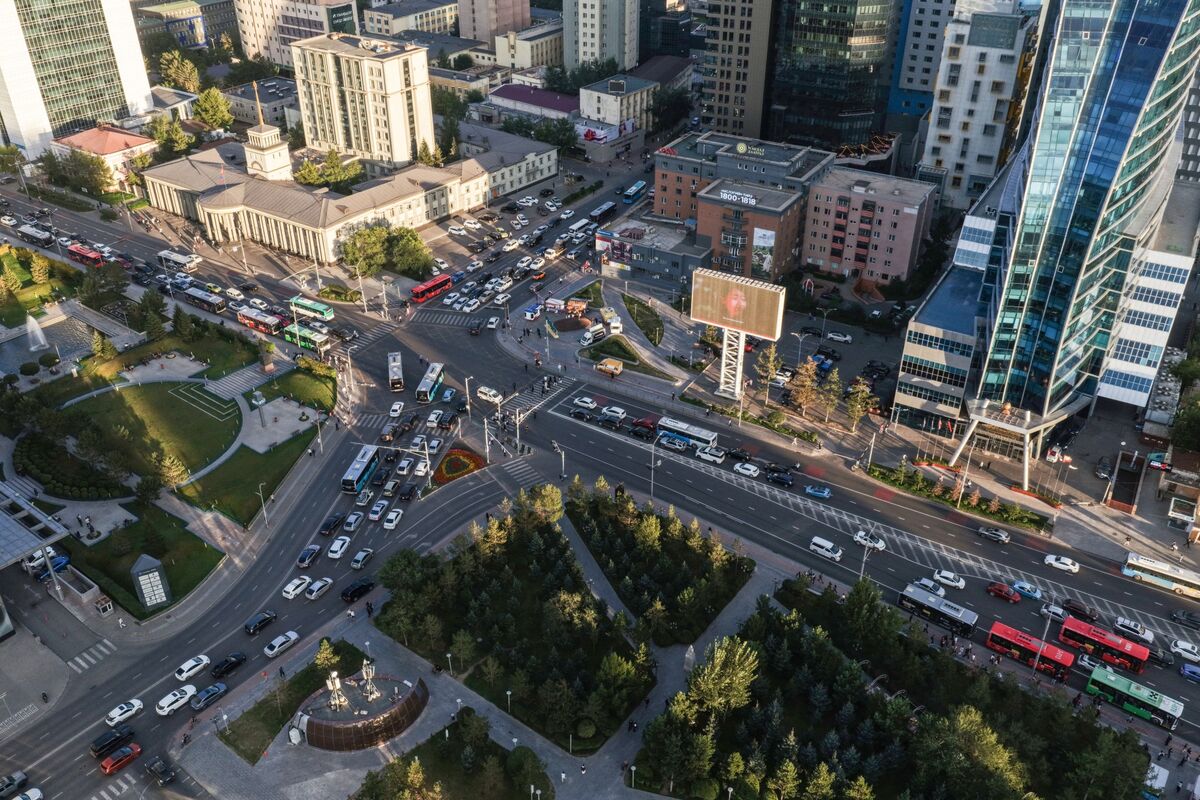
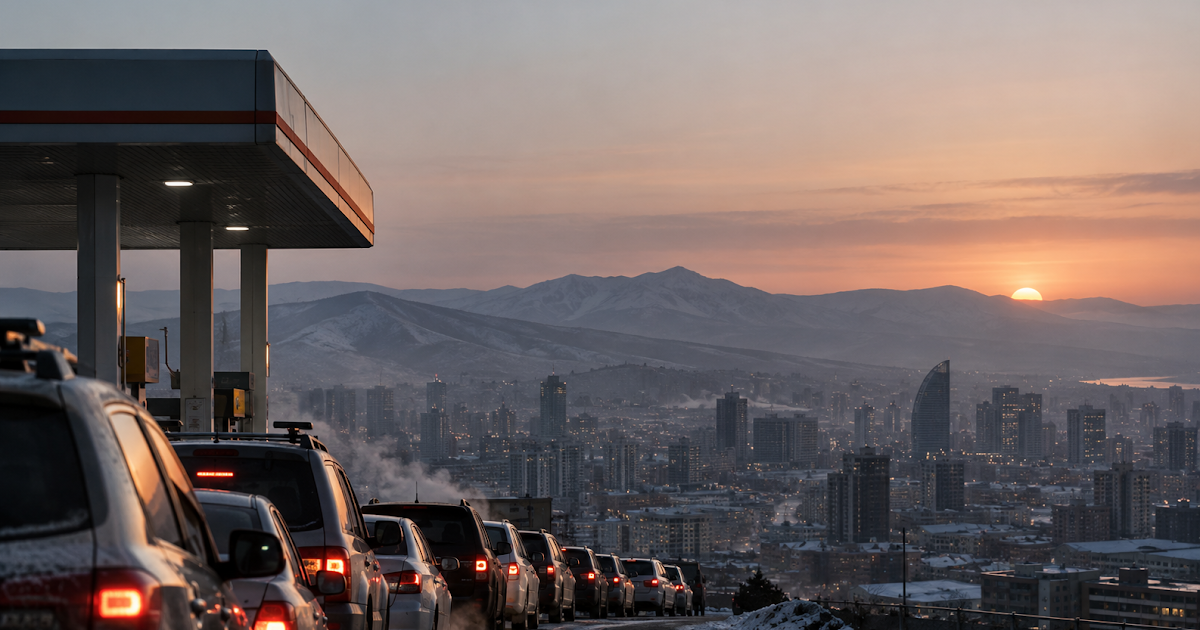
On October 1, 2026, motorists in central Ulaanbaatar abandoned their vehicles and marched to protest worsening fuel shortages and long lines at filling stations. This unrest adds significant pressure to the already fragile 10-month-old coalition government, which is grappling with public anger over rising living costs and supply chain failures. The demonstrations underscore the immediate domestic political risks facing Prime Minister Uchral Nyam-Osor’s administration as it attempts to stabilize the economy
Third-Neighbor Diplomacy Squeezed by Supply Chain Reality
Analysts note that the current fuel crisis exposes the structural weaknesses of Mongolia’s "Third Neighbor" strategy, which aims to diversify ties beyond Russia and China. The reliance on Russian fuel imports has become a liability, with supply routes facing pressure and weak national reserves failing to buffer shocks. This situation complicates Ulaanbaatar’s diplomatic balancing act, forcing the government to address immediate energy security concerns that may require deeper engagement with traditional neighbors or urgent alternative sourcing
Fact-Check Debunks Rumors of Sabotaged Russian Fuel Deal
On September 30, 2026, the Media Fact-Checking Center (MFCC) refuted claims circulating on social media that Deputy Governor G. Enkh-taiwan of the Bank of Mongolia had sabotaged fuel negotiations with Russia. The rumor, originally spread by news outlet Neeuun.mn, suggested internal sabotage during a critical period of potential supply shortages. The MFCC’s intervention highlights the role of misinformation in destabilizing public trust in government economic management, particularly regarding sensitive trade negotiations with Moscow
Local view
Local media outlets have been active in both reporting the physical reality of the fuel queues and debunking political rumors. The Mongolian fact-checking organization MFCC (Media Fact-Checking Center) explicitly addressed the viral narrative claiming internal sabotage of Russian fuel deals, labeling it misleading. This response is crucial in an environment where public trust in institutions is already strained by corruption allegations and economic hardship. Meanwhile, international observers like Bloomberg have amplified local voices of frustration, noting that the visual of abandoned cars in Sukhbaatar Square has become a potent symbol of the government's inability to ensure basic commodity security.
Context & numbers
- Trade Volume: In the first eight months of 2026, Mongolia conducted trade with 155 countries, reaching a total foreign trade turnover of $22.8 billion. Exports alone hit $14.4 billion, marking a 57.2% increase year-on-year.
- Coal Exports: Coal remains the backbone of the export economy. In 2024, coal export revenue totaled $8.6 billion with a record volume of 83.7 million tons, a benchmark that continues to influence current fiscal policy debates.
- Sovereign Wealth Fund: The "Chinggis Fund" (Future Heritage Fund) has generated MNT 4 trillion, with MNT 495 billion deposited into the Savings Fund, accessible via the E-Mongolia platform.
On the radar
- US Embassy Alerts: The U.S. Embassy in Mongolia issued a demonstration alert for October 1, 2026, indicating ongoing protests and advising caution for citizens. This signals that the unrest is being monitored by key "third neighbor" partners.
- China-Mongolia-Russia Economic Corridor (CMREC): Recent analysis from the National Bureau of Asian Research notes that while the CMREC is politically endorsed, practical implementation remains stuck, which may affect future infrastructure-led growth promises used by the ruling coalition to justify their tenure.
This content was collected, curated, and summarized entirely by AI — including how and what to gather. It may contain inaccuracies. Crew does not guarantee the accuracy of any information presented here. Always verify facts on your own before acting on them. Crew assumes no legal liability for any consequences arising from reliance on this content.
Powered by
