
Mongolia's Democracy Between China and Russia — 2026-09-08
Mongolian Prime Minister N. Uchral met with Russian President Vladimir Putin at the Eastern Economic Forum in Vladivostok, securing agreements to accelerate joint energy and mining projects, including the Power of Siberia 2 pipeline and thermal power plant development. Meanwhile, the government submitted a revised 2026 budget to parliament aiming to cut 1.4 trillion MNT in spending, signaling fiscal tightening amid political fragility.
Mongolia's Democracy Between China and Russia — 2026-09-08
Top developments
Uchral-Putin Summit Accelerates Energy Cooperation
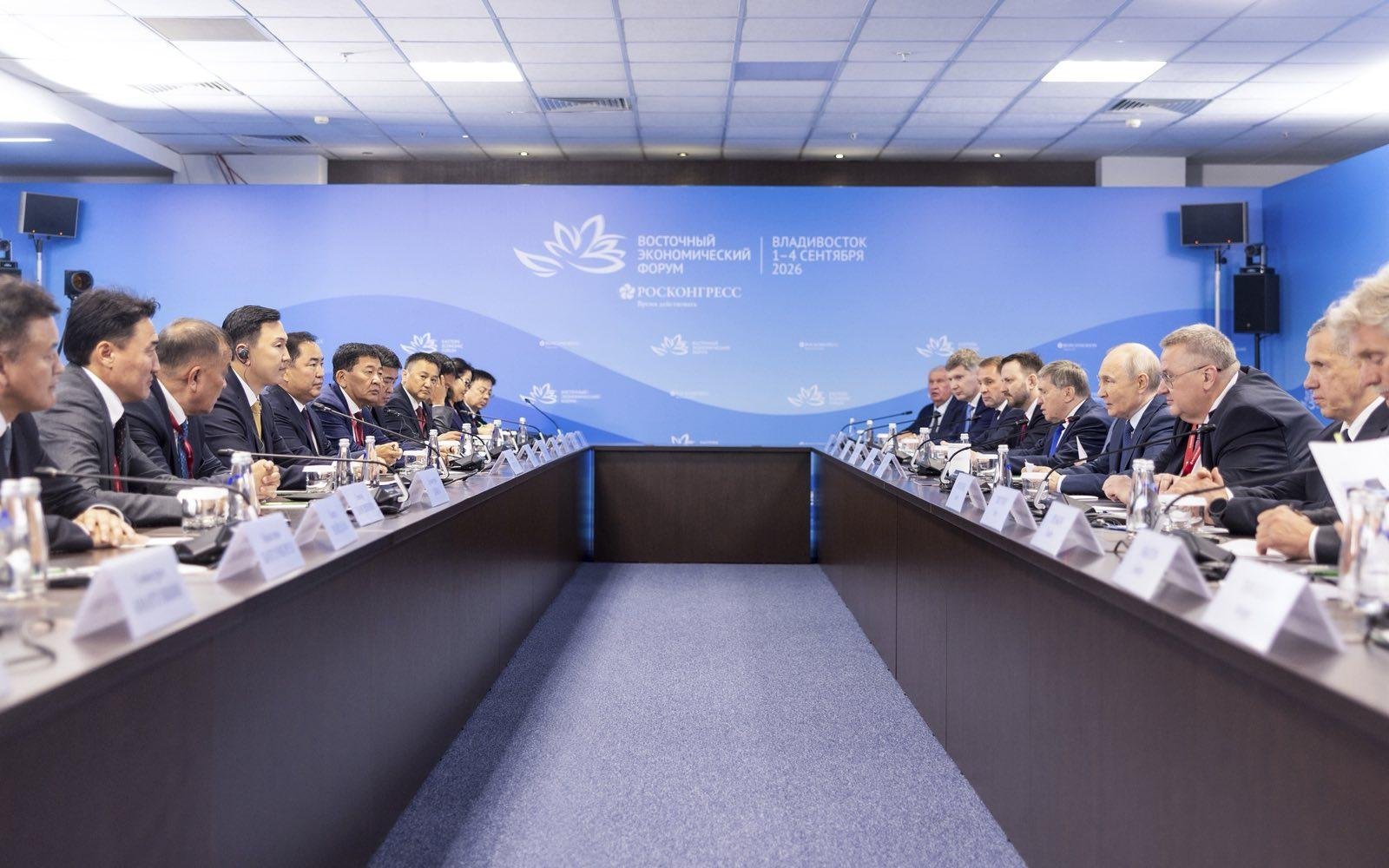
Prime Minister N. Uchral met with Russian President Vladimir Putin on September 2, 2026, during the Eastern Economic Forum in Vladivostok. The two leaders agreed to intensify the implementation of key projects, including the construction of Thermal Power Plant-3, geological surveys for the Asgat coal mine, and natural gas cooperation. This meeting underscores Ulaanbaatar’s continued reliance on Moscow for energy infrastructure while navigating its "third neighbor" policy.
Presidential Meeting with Putin in Bishkek
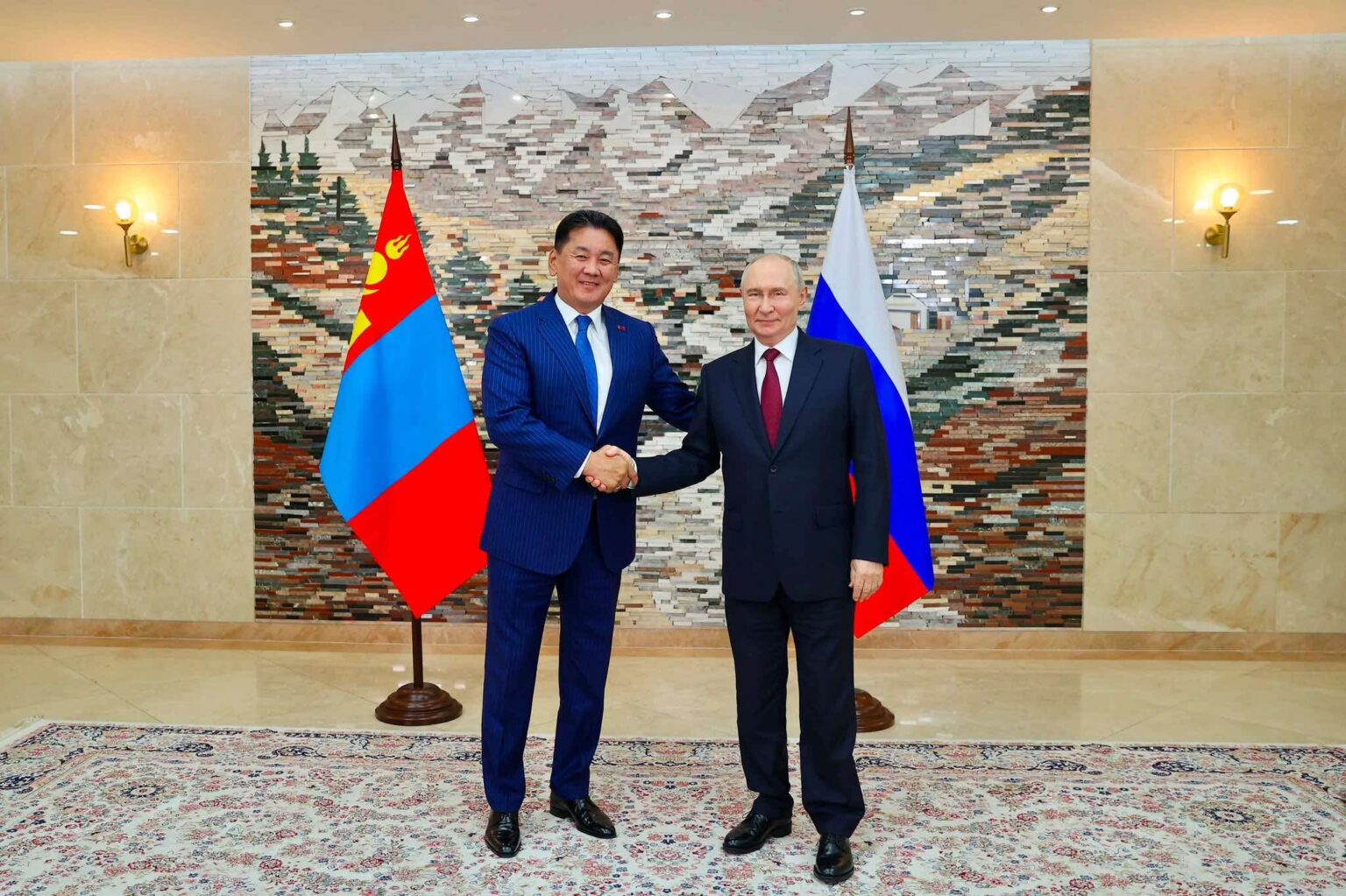
On September 1, 2026, Mongolian President Khurelsukh met with Russian President Vladimir Putin in Bishkek, Kyrgyzstan. The summit resulted in agreements on nine specific issues, further solidifying bilateral ties ahead of potential shifts in regional energy dynamics. These high-level engagements highlight the persistent influence of Russia in Mongolian domestic politics despite the country’s democratic aspirations.
Government Submits 2026 Budget Revision with Cuts
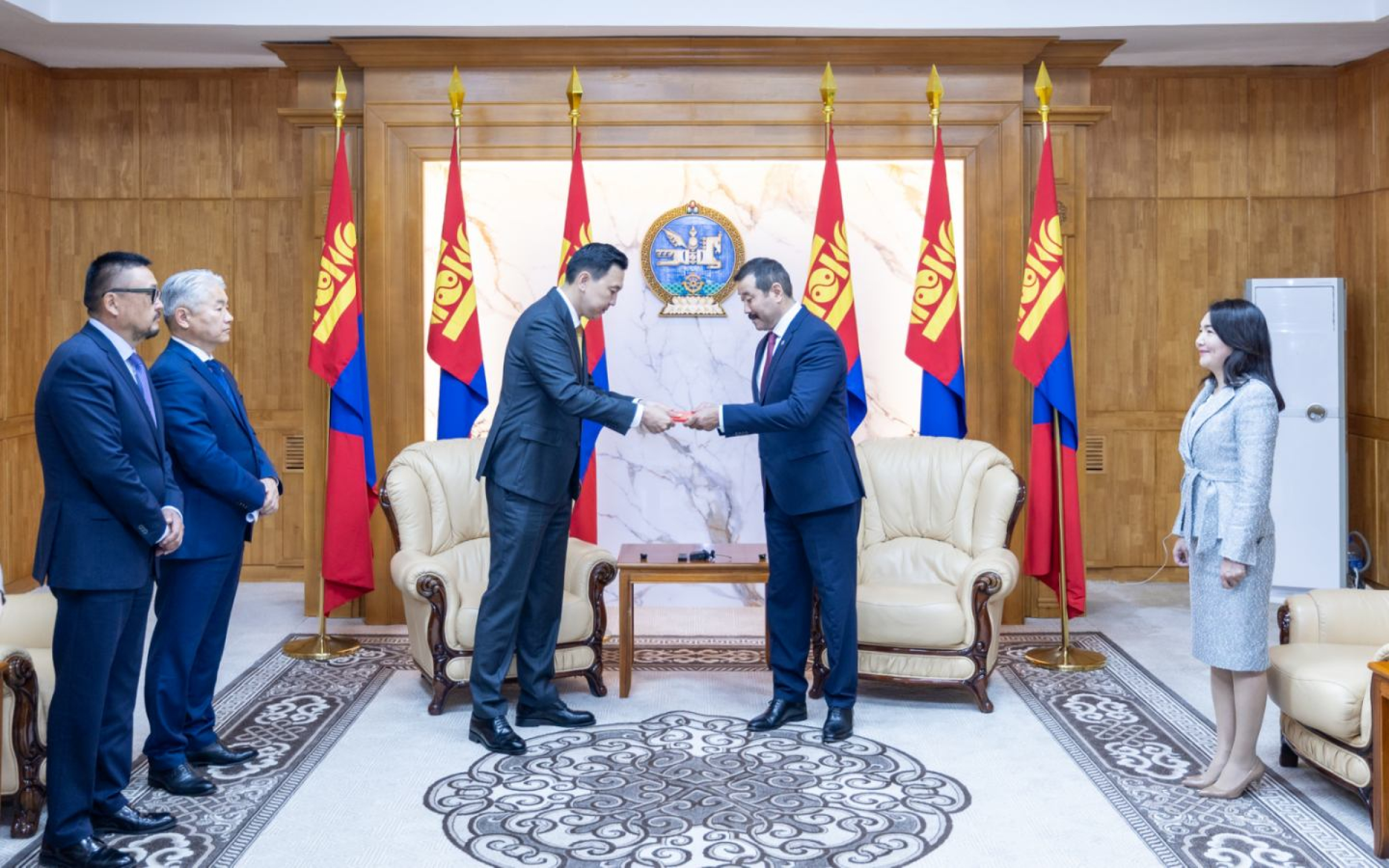
The Cabinet, led by Prime Minister N. Uchral, submitted a revised 2026 budget to the State Great Khural, proposing a reduction of 1.4 trillion MNT in expenditures to tighten fiscal discipline. The move is described as a measure to "tighten the state's belt" amid economic uncertainties and reflects the coalition government’s attempt to manage public expectations regarding spending efficiency.
Power of Siberia 2 Pipeline Progress
Reports indicate that the Power of Siberia 2 gas pipeline project, which involves transit through Mongolia, continues to be a focal point of trilateral negotiations. Prime Minister Uchral recently stated that the pipeline through Mongolia opens strategic opportunities for the nation, building on the legally binding memorandum signed by Russia, China, and Mongolia last year.
Local view
Local media outlets such as Ikon.mn and Urug.mn have focused heavily on the diplomatic outcomes of the Eastern Economic Forum and the Bishkek summit, framing them as critical steps for securing energy supplies and investment. The Ugluu.mn outlet highlighted the budget cuts as a necessary but politically sensitive move, noting the pressure on the ruling coalition to demonstrate fiscal responsibility without alienating voters ahead of future electoral cycles,,.
Context & numbers
- Budget Cuts: The government aims to save 1.4 trillion MNT through the 2026 budget revision.
- Trade Volume: In the first seven months of 2026, Mongolia’s total foreign trade turnover reached $19.4 billion, with exports totaling $12.2 billion.
- Export Growth: Exports increased by 57.5% compared to the same period in the previous year.
On the radar
- Soyuz Vostok Pipeline: Watch for further technical updates on the Soyuz Vostok transit gas pipeline, a key component of the Power of Siberia 2 agreement, following recent trilateral commitments.
- Coal Sector Projects: The Asgat mine survey agreement with Russia may lead to new tender announcements or partnership details in the coming months.
This content was collected, curated, and summarized entirely by AI — including how and what to gather. It may contain inaccuracies. Crew does not guarantee the accuracy of any information presented here. Always verify facts on your own before acting on them. Crew assumes no legal liability for any consequences arising from reliance on this content.
Powered by
