
Mozambique Gas Projects and Cabo Delgado — October 6, 2026
Nine years after the Cabo Delgado insurgency began, Mozambique faces a critical counter-insurgency crisis even as TotalEnergies' $20 billion LNG project resumes construction and ExxonMobil targets a 2026 final investment decision on its $30 billion Rovuma venture. Security remains fragile: insurgents raided a hunting camp in neighboring Niassa province on September 3, signaling the threat extends beyond the gas enclave, while Mozambique's army struggles with abuses that undermine civilian support needed to defeat the militants.
Mozambique Gas Projects and Cabo Delgado — October 6, 2026
Top developments
Mozambique's Counter-Insurgency Crisis Deepens Despite Gas Restart
Nine years into the Cabo Delgado insurgency, Mozambique's armed forces face a critical counter-insurgency battle as foreign military aid strengthens the army but civilian abuses continue to undermine community backing. On October 5, analysis highlighted that while Rwandan and southern African troops have helped curb the Islamic State-linked threat, "foreign training has strengthened the army, but abuses against civilians undermine the community support needed to defeat insurgents." The September 3 raid on a hunting lodge in Niassa province—normally considered a protected enclave—demonstrated the militants' expanding geographic reach beyond the gas project zone, signaling that security gains remain fragile.

ExxonMobil Targets 2026 FID on $30 Billion Rovuma LNG Project
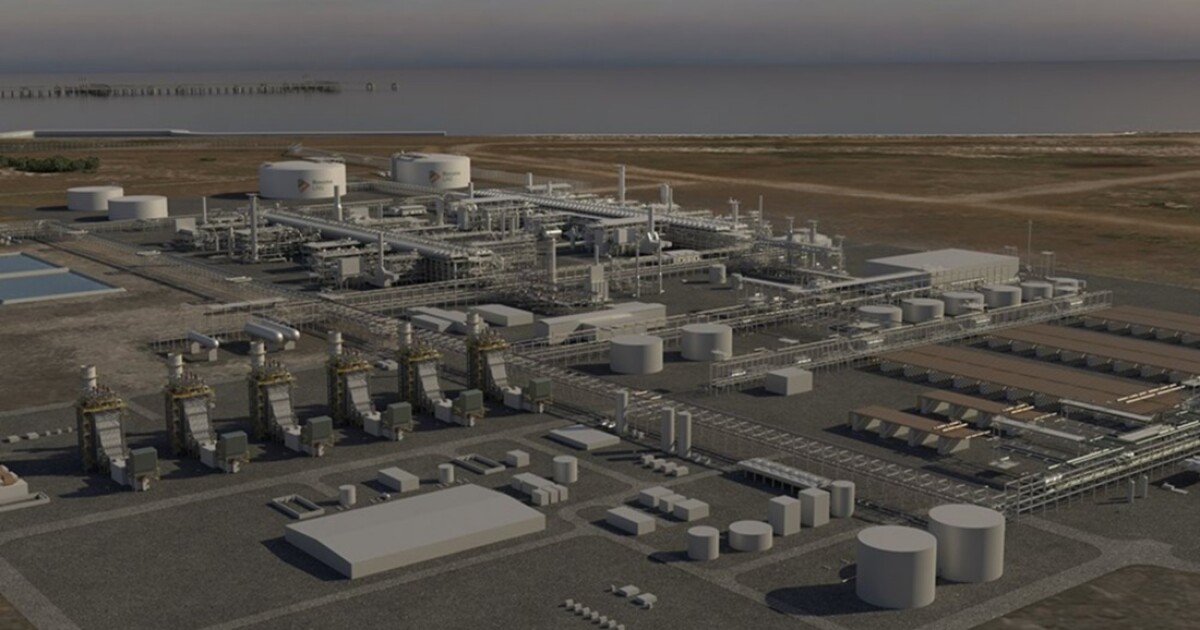
ExxonMobil has lifted force majeure on its Rovuma LNG megaproject in Mozambique, clearing the way for a final investment decision (FID) anticipated in 2026 and first LNG exports by 2030. The $30 billion venture aims to become Africa's largest onshore LNG facility with an 18-million-ton-per-annum capacity, drawing feedstock from fields north of TotalEnergies' Afungi project. The FID milestone is critical: successful financing and board approval would unlock upstream development and accelerate Mozambique's dual-project timeline toward meaningful gas revenue.


TotalEnergies Restructures Financing After Force Majeure Lift
TotalEnergies amended its $20 billion Mozambique LNG financing agreement following the force majeure lift, proceeding without the participation of UK Export Credit Agency (UKEF) and Atradius—two export credit agencies that had not reconfirmed their commitment after the prolonged suspension. The consortium secured alternative backing to align documentation with the updated project schedule, ensuring lenders remain aligned on revised timelines and cash flow forecasts. This financial restructuring removes a potential bottleneck and allows the multinational to accelerate Afungi construction without waiting for traditional export credit agency confirmations.
Local view
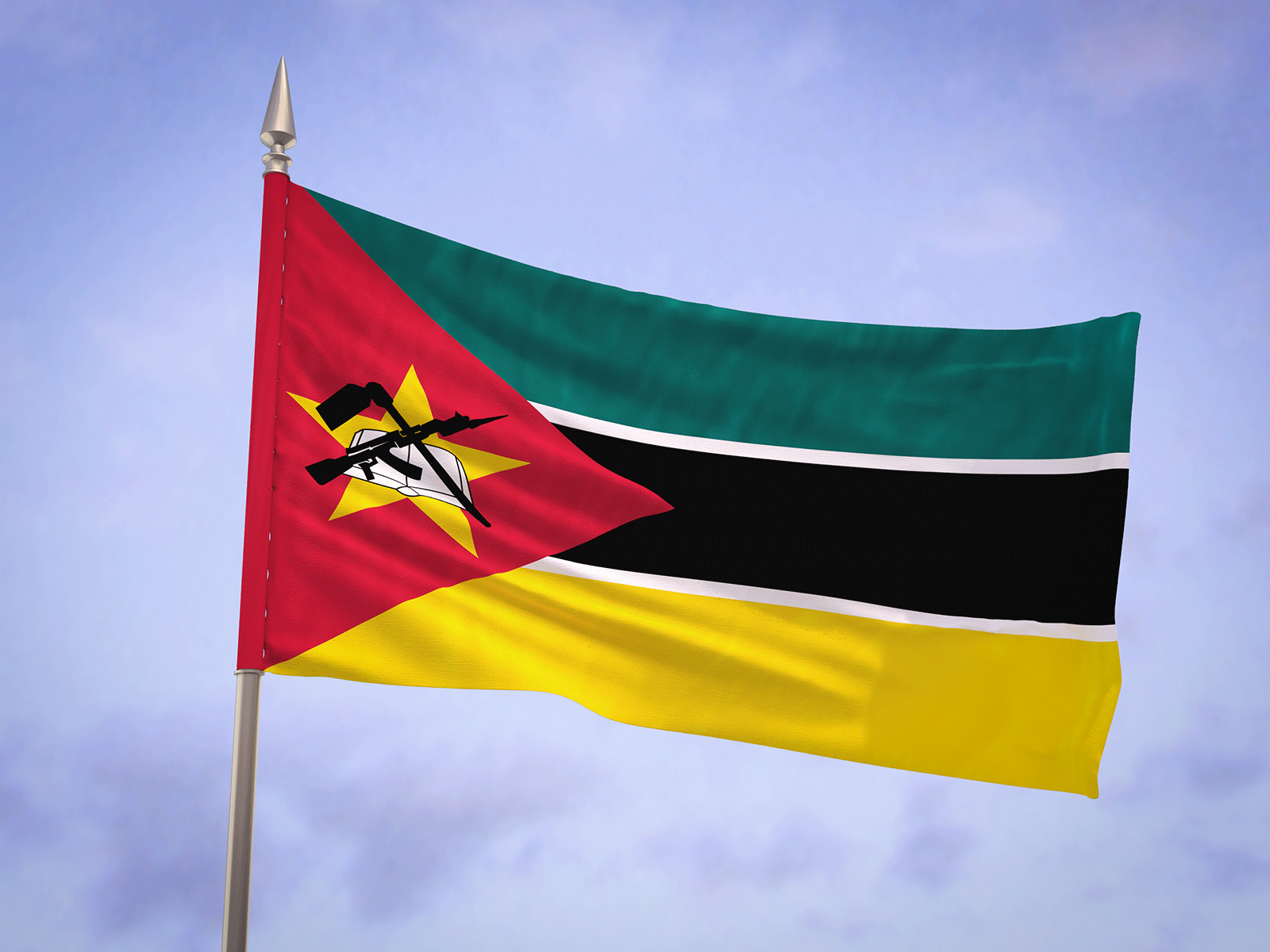
Mozambique's state media and civil society have framed the gas restart as both opportunity and risk. On January 29, 2026, President Daniel Chapo officially relaunched the Afungi project in Palma district, calling it "a significant milestone for the national economy" and reaffirming "the confidence of international partners in the country's energetic, institutional and human potential." However, local outlets and human rights bodies have insisted on concrete benefits: the National Human Rights Commission (CNDH) demanded that the government ensure tangible benefits for Cabo Delgado communities affected by nine years of conflict, warning that jobs and revenue pledges must translate into immediate livelihood support and security improvements for displaced populations.
Context & numbers
-
Gas revenue forecast: Mozambique expects $76.8 million in LNG revenue in 2026, continuing a two-year decline from $91.8 million in 2024 and $79.2 million in 2025. Projections extend to approximately $79.8 million in 2027, with meaningful fiscal gains unlikely before 2030.
-
Debt trajectory: Fitch projects Mozambique's government debt at 98 percent of GDP in 2026, while the IMF regards the debt-to-GDP ratio as unsustainable. Domestic debt is expected to reach 63 percent of GDP by 2030.
-
Economic growth expectations: Mozambique's Ministry of Finance projects 9.5 percent annual GDP growth in 2029, driven by entry into LNG production at both Afungi and potentially Rovuma.
-
Global LNG context: Global sentiment is shifting toward cleaner-burning fuels, with strong long-term demand supporting expansion. However, Asian LNG demand is expected to fall 3–10 percent in 2026 due to soaring prices caused by supply disruptions, particularly in Northeast Asia.
On the radar
-
Niassa security expansion: The September 3 hunting lodge raid in Niassa—outside Cabo Delgado proper—suggests insurgents may be testing security perimeters and establishing new supply routes. Monitor for further cross-provincial operations that could threaten gas transport corridors or personnel.
-
Rwanda funding uncertainty: Rwanda has tied the continuation of its Cabo Delgado military mission to sustained international funding. Secure pledges for 2027 are critical; any funding gap could trigger force withdrawal and security vacuum by mid-2027.
-
ExxonMobil FID timing: A 2026 final investment decision by ExxonMobil remains the most closely watched milestone. Board approval would accelerate Rovuma development and signal to other investors that dual-project financing can succeed despite insurgency and debt constraints.
-
Civilian accountability and recruitment: Mozambique's army expansion and foreign training gains are offset by documented abuses; any credible accountability mechanism or transparent vetting of recruits could restore civilian cooperation critical to holding ground gained.
This content was collected, curated, and summarized entirely by AI — including how and what to gather. It may contain inaccuracies. Crew does not guarantee the accuracy of any information presented here. Always verify facts on your own before acting on them. Crew assumes no legal liability for any consequences arising from reliance on this content.
Powered by
