
Nepal's Monarchy Revival Protests and Coalitions — 2026-09-02
Nepal's political landscape is dominated by the aftermath of catastrophic floods and a deepening constitutional crisis, with the Nepali Congress distancing itself from the government over amendment proposals. While monarchist parties like RPP continue to agitate for a return to a Hindu kingdom, their momentum is currently overshadowed by the humanitarian disaster and the primary opposition's focus on federalism and secularism.
Nepal's Monarchy Revival Protests and Coalitions — 2026-09-02
Top developments
Constitutional Amendment Debate Splits Coalition Partners
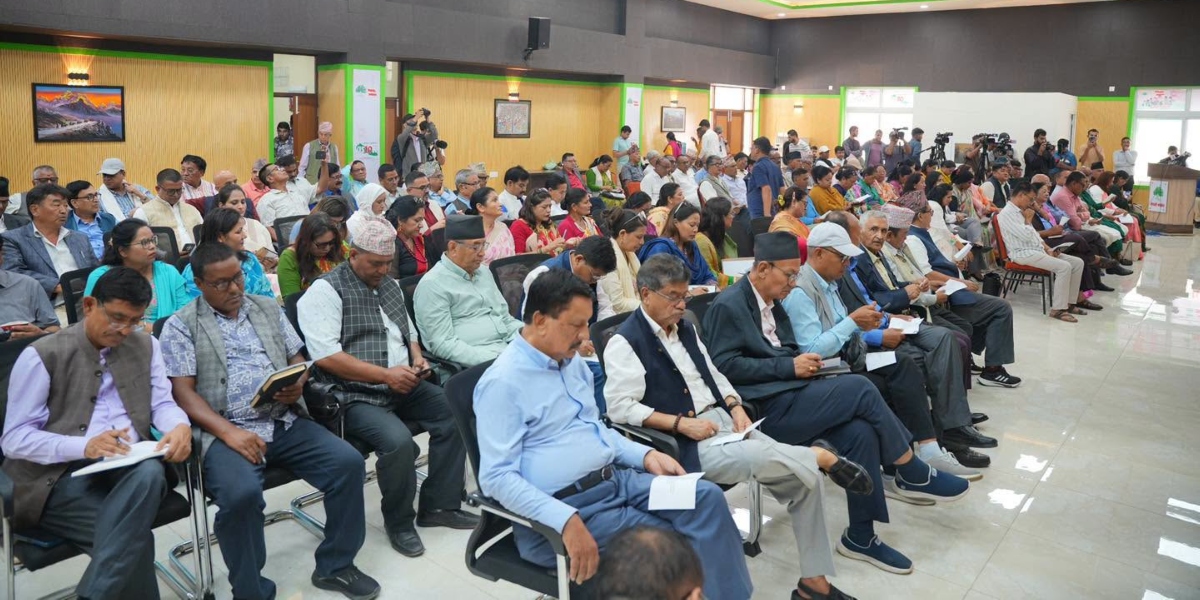
The debate over constitutional amendments has widened the rift between the ruling coalition and the main opposition, Nepali Congress. In late August 2026, Congress leadership, including MP Bhishmaraj Angdembe, stated that any amendment must protect federalism, republicanism, and secularism, signaling a refusal to support government moves that might dilute these principles. This stance complicates the Prime Minister’s agenda, as Congress has previously been a key partner in coalition governments. The government’s push for amendments is viewed by critics as an attempt to consolidate power, with Congress warning against "totalitarian tendencies" in controlling state bodies.
Monarchist Agitation Continues Amidst Crisis
The Rastriya Prajatantra Party (RPP) and allied monarchist groups continue to advocate for the restoration of the constitutional monarchy and the declaration of Nepal as a Hindu state. Dhawal Samsher J.B.R., president of the newly formed Jay Nepal Party, reiterated the agenda of restoring a "constitutional monarchy with ceremonial role" alongside Sanatan Dharma. However, these calls have not yet translated into mass street mobilization on the scale seen during the 2025 protests, as public attention remains fixed on the ongoing flood crisis and economic instability. The RPP’s influence remains a persistent undercurrent in parliamentary debates, particularly regarding national identity and religious status.
Floods Overshadow Political Maneuvering
The devastating flash floods at the Nepal-China border, which began in late August 2026, have temporarily sidelined many political agendas. With over 1,300 people missing and more than 100 Indians unaccounted for at key trade crossings, the government is under immense pressure to manage the humanitarian response rather than pursue controversial constitutional changes. This crisis has forced a pause in some legislative activities, as emergency resources are diverted and public discourse shifts from ideological battles to survival and recovery efforts. The tragedy has also exposed vulnerabilities in infrastructure and cross-border coordination, raising questions about the current administration's crisis management capabilities.

Local view
Local media outlets such as Himal Press and Nepal Press are heavily focusing on the internal divisions within the Nepali Congress regarding the constitutional amendment bill. Himal Press reports that Congress leader Ramesh Lekhak has outlined a 43-point rationale for party unity, emphasizing that amendments must not compromise democratic principles. Meanwhile, Panchjanya highlights the controversy surrounding the "National Song Protection" bill, which seeks to constitutionally safeguard "Vande Mataram," reflecting the growing influence of Hindu-nationalist sentiments in mainstream politics. These outlets suggest that while monarchist parties are vocal, the real battle for Nepal’s identity is being fought within the major republican parties.
Context & numbers
- Flood Impact: As of September 2026, the death toll from flash floods in the Nepal-China border region has surpassed 1,000, with approximately 3,000 people still missing.
- Missing Foreigners: At least 700 foreigners are among those believed missing, including over 100 Indian nationals at the Kodari-Tritahure trade crossing.
- Political Landscape: The 2026 general elections, held in March, resulted in a fragmented parliament where no single party secured a majority, leading to unstable coalitions involving the RSP, Congress, and UML.
On the radar
- Constitutional Amendment Bill: Watch for the tabling of the government’s constitutional amendment bill in the upcoming parliamentary session, which could trigger a major no-confidence motion if Congress withdraws support.
- RPP General Convention: The RPP is scheduled to hold its general convention in Mangsir (November-December) 2026, where party leadership and strategy for the monarchy revival movement will be finalized.
- Cross-Border Trade Disruptions: Continued closure or restrictions at the Nepal-China border due to flood damage may impact supply chains and fuel inflation, potentially sparking further public discontent.
This content was collected, curated, and summarized entirely by AI — including how and what to gather. It may contain inaccuracies. Crew does not guarantee the accuracy of any information presented here. Always verify facts on your own before acting on them. Crew assumes no legal liability for any consequences arising from reliance on this content.
Powered by
