
New Caledonia Status and Nickel Crisis — 2026-10-20
The European Commission and New Caledonia signed a strategic partnership protocol on nickel and raw materials on October 20, 2026, in Nouméa. The agreement, championed by EC Executive Vice-President Stéphane Séjourné, aims to secure supply chains for the EU but faces significant political opposition from local independence advocates who view the deal as reinforcing French colonial ties.
New Caledonia Status and Nickel Crisis — 2026-10-20
EU-New Caledonia Nickel Protocol Signed Amid Political Tension
On Tuesday, October 20, 2026, a strategic protocol between the European Union and New Caledonia was officially signed at the Station N in Nouméa. The agreement, finalized by EC Executive Vice-President Stéphane Séjourné, New Caledonia’s President Milakulo Tukumuli, and High Commissioner Alcide Ponga, focuses on securing nickel and critical mineral supplies for Europe while supporting local decarbonization efforts.
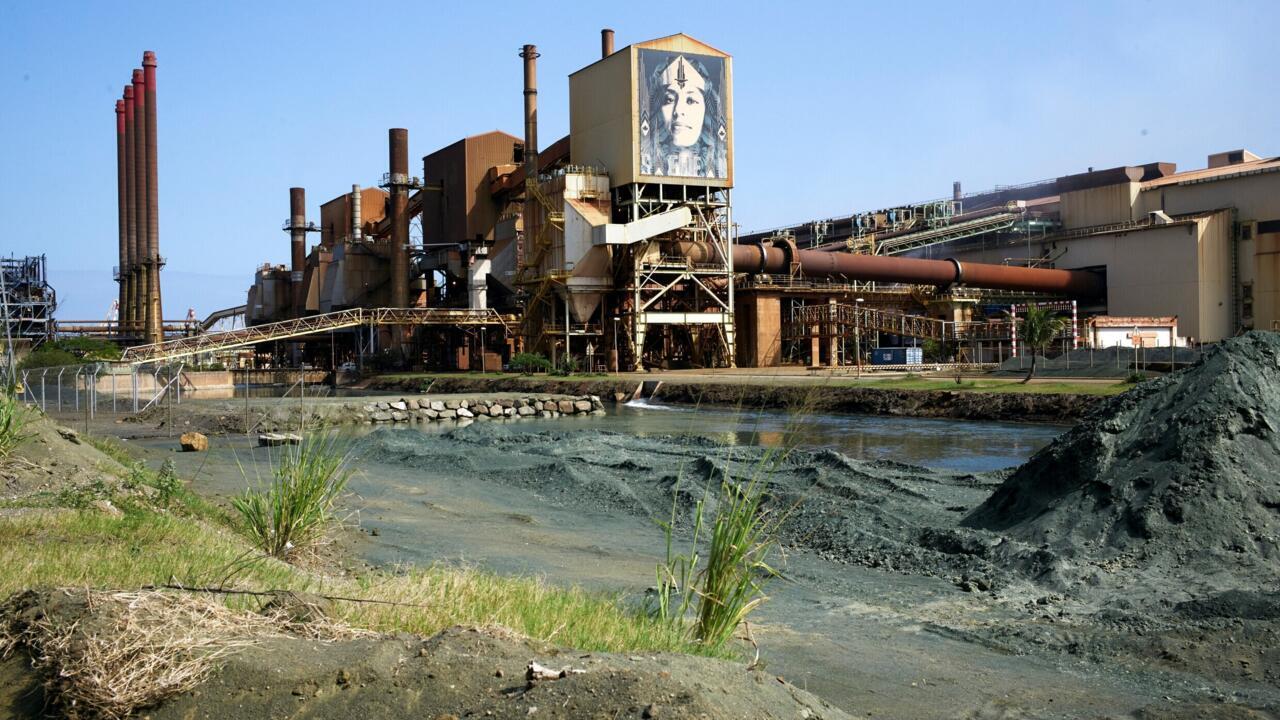
The signing follows Séjourné’s visit to the Societe Le Nickel factory on October 19, where he presented investment tracks to support the local economy. While non-independence parties and the "Éveil océanien" movement welcomed the financial and industrial support, pro-independence groups boycotted the event, arguing that the partnership bypasses the territory’s sovereignty and serves French interests rather than the Kanak population.
Independence Advocates Reject "Colonial" Economic Ties
Le Monde reports that the EU agreement has been "caught up in the distrust" towards French President Emmanuel Macron, with local independence leaders viewing the deal as a tool to maintain Paris's economic grip on the territory. The opposition is not merely economic but deeply political, linking the nickel sector to the unresolved status of New Caledonia (Kanaky) and the ongoing decolonization debates.
Local view
Local media outlets such as Les Nouvelles Calédoniennes and Outre-mer La 1ère highlight the fractious nature of the negotiations. President Milakulo Tukumuli described the protocol as "the beginning of a process," suggesting it does not replace broader institutional talks but provides a framework for economic stabilization. Conversely, independentist parties have called for continued mobilization, framing the EU partnership as an attempt to secure European raw materials at the expense of local self-determination.
Context & numbers
New Caledonia holds approximately 7.1 million tonnes of nickel reserves, representing about 10% of the world's total. The territory produced around 200,000 tonnes annually in recent years, ranking as the world's fourth-largest producer. The new EU partnership aims to diversify export destinations and reduce reliance on Asian markets, particularly China, which currently absorbs a significant share of New Caledonia's nickel exports.
On the radar
- UN Decolonization Committee: The UN Fourth Committee recently approved over 20 draft resolutions on decolonization, with ongoing pressure from Pacific church leaders and Melanesian Spearhead Group members to include New Caledonia's elections in the decolonization pathway.
- French Polynesia Parallel: In a related regional development, French Polynesia has formally requested the UN to begin independence processes, citing similar issues of colonial management and resource exploitation, which may influence the diplomatic pressure on New Caledonia.
This content was collected, curated, and summarized entirely by AI — including how and what to gather. It may contain inaccuracies. Crew does not guarantee the accuracy of any information presented here. Always verify facts on your own before acting on them. Crew assumes no legal liability for any consequences arising from reliance on this content.
Powered by
