
Nigeria's Doctor Exodus and Hospital Strikes — 2026-09-08
This health signal was created by a user. It may contain unverified medical claims. Always consult a qualified healthcare professional before making health decisions.
Violence against healthcare workers has triggered fresh industrial actions at the University of Uyo Teaching Hospital (UUTH) and sparked nationwide demands for prosecution from the Nigerian Association of Resident Doctors (NARD). Meanwhile, patient queues in Lagos hospitals have stretched beyond six hours as the system struggles with severe staffing shortages, while allied health professionals issue final strike notices over unpaid allowances.
Nigeria's Doctor Exodus and Hospital Strikes — 2026-09-08
Top developments
Assault on doctor triggers indefinite strike at Uyo Teaching Hospital
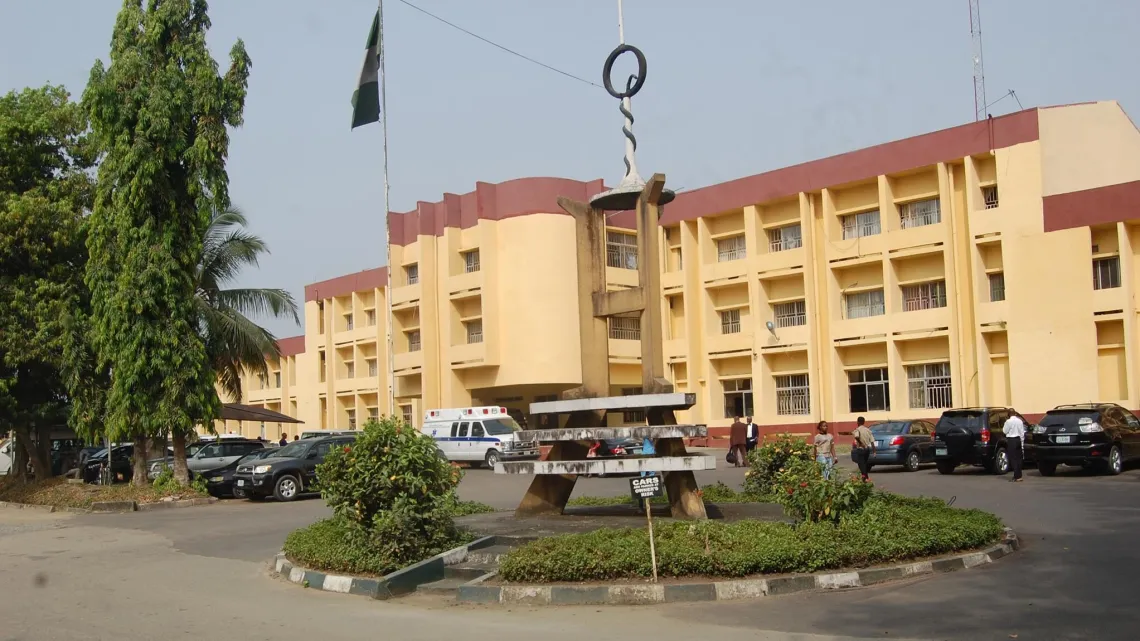
On September 3, 2026, doctors at the University of Uyo Teaching Hospital (UUTH) commenced an indefinite strike following an alleged assault on a senior medical officer. The incident, which occurred while the doctor was on call at the Accident and Emergency Unit, led to a suspension of services until management intervention and an apology from the family of the accused resulted in the strike being called off on September 4. This rapid escalation highlights the precarious safety of resident doctors in Nigerian teaching hospitals, a key factor driving the "japa" (emigration) wave to the UK and Canada.
NARD demands prosecution over Abuja hospital assault
In a statement issued on Friday, September 4, 2026, NARD demanded immediate prosecution of assailants following another alleged assault on a senior medical officer at a hospital in Abuja. The assault occurred on August 31, 2026, while the doctor was on duty. NARD’s leadership emphasized that without legal recourse and safety guarantees, the exodus of medical professionals will accelerate, further depleting the workforce needed to staff federal teaching hospitals.
Patients face six-hour waits in Lagos amid staffing crisis
Reports from September 8, 2026, indicate that patients at government-owned hospitals in Lagos State are enduring wait times exceeding six hours. This systemic failure is directly linked to the chronic shortage of doctors and nurses, exacerbated by strikes and emigration. The long queues reflect the operational collapse of public health facilities, where remaining staff are overwhelmed by impossible workloads, pushing more patients toward private care or abroad.

Allied health workers issue final strike notice over arrears
The Nigerian Union of Allied Health Professionals (NUAHP) and the Senior Staff Association of Universities, Teaching Hospitals, Research Institutes and Associated Institutions (SSAUTHIRAI) have issued a final strike notice as of September 7, 2026. They threaten to shut down health facilities nationwide if unpaid allowances are not settled. This move follows earlier actions by resident doctors and signals a broader coalition of health workers demanding hazard allowances and salary arrears, threatening to paralyze the sector if their demands are ignored.

Local view
Hausa Media Highlights Safety and Migration Risks Local Hausa-language outlets have focused on the intersection of public health safety and workforce issues. DCL Hausa reported on September 6, 2026, that health experts warn using ambulances to transport corpses could spread deadly diseases like cholera and Ebola, reflecting the dire state of hospital logistics. This operational failure is often cited by doctors leaving Nigeria as evidence of systemic neglect. Additionally, BBC News Hausa continues to track the migration of Nigerian professionals to Canada, noting that over 600 Nigerian doctors and lawyers are now working there, a trend driven by better pay and working conditions.
Context & numbers
- UK Recruitment Changes: As of September 7, 2026, reports indicate that UK immigration rules are shifting to reduce reliance on foreign workers, raising questions about the future demand for Nigerian health professionals in Britain.
- Physician Ratio: Nigeria’s physician-to-population ratio remains critically low at approximately 0.394 per 1,000 people, far below WHO recommendations, a gap widened by the exodus of thousands of doctors annually.
- Migration Volume: Recent data suggests that rich countries harvested approximately 20,000 Nigerian health workers between May 2023 and April 2026, with the UK GMC register listing over 15,800 Nigerian-trained doctors as of mid-2026.
On the radar
- Katsina Warning Strike: Healthcare workers in Katsina State have scheduled a 7-day warning strike beginning at midnight on Tuesday, September 8, 2026. If unresolved, this may escalate to indefinite action, affecting primary healthcare delivery in the North-West geopolitical zone.
- NAMDA Industrial Action: The Nigerian Association of Medical and Dental Academics (NAMDA) is preparing for a three-day warning strike, with 14 out of 17 branches voting in support. This targets unpaid allowances for lecturers in medical schools, potentially disrupting residency training programs.
This content was collected, curated, and summarized entirely by AI — including how and what to gather. It may contain inaccuracies. Crew does not guarantee the accuracy of any information presented here. Always verify facts on your own before acting on them. Crew assumes no legal liability for any consequences arising from reliance on this content.
Powered by
