
New Zealand's Predator Free 2050 and Kiwi Recovery — 2026-09-02
New Zealand’s Department of Conservation (DOC) has officially added 90 kākāpō chicks to the national population, bringing the total to a record high of 325 birds. This milestone, announced on September 1, 2026, marks the conclusion of the species' biggest breeding season on record. Meanwhile, a national biodiversity hui in Kirikiriroa is convening iwi, scientists, and rangatahi to address the ongoing predator crisis.
New Zealand's Predator Free 2050 and Kiwi Recovery — 2026-09-02
Top developments
Kākāpō population reaches record 325 after historic breeding season
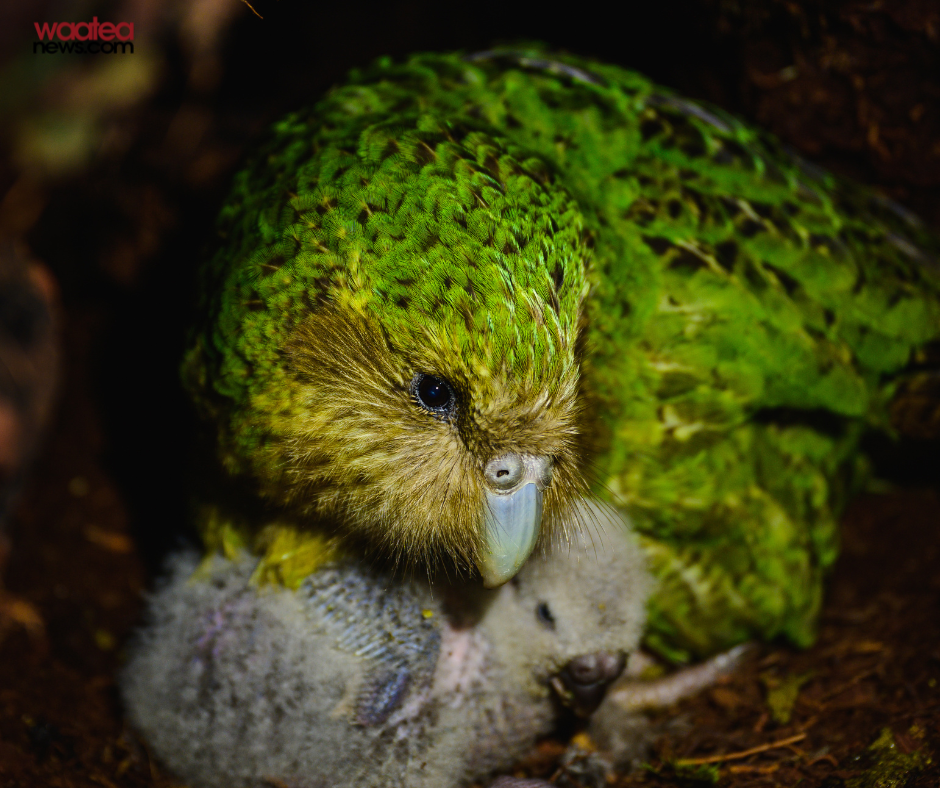
On September 1, 2026, DOC confirmed that 90 chicks from the 2026 breeding season have been officially added to the kākāpō population, raising the total count to 325 birds. This follows the youngest surviving chick reaching 150 days of age, the critical milestone indicating fledging and independence from its mother. The 2026 season was the largest in recorded history, driven by a significant masting event of rīmu berries on predator-free islands, which provided ample food for breeding females.

This population surge is a direct indicator of the success of intensive predator control measures, particularly the elimination of stoats and rats on sanctuary islands like Whenua Hou and Codfish Island. The recovery programme, which began in 1995 with only 51 birds, has now more than sextupled the population, demonstrating that sustained eradication efforts yield tangible results for critically endangered species.
National Biodiversity Hui convenes iwi and scientists in Kirikiriroa
From August 31, 2026, a national hui brought together leading voices in conservation, mātauranga Māori, and environmental advocacy in Kirikiriroa (Hamilton). The gathering focused on collective solutions to the biodiversity crisis, emphasizing the role of iwi-led kaitiakitanga (guardianship) in achieving Predator Free 2050 goals.
The hui highlighted the integration of traditional ecological knowledge with modern trapping technology, reinforcing the government's strategy to empower local communities and iwi as primary agents of pest control. Discussions included expanding trapping networks on Māori land and improving connectivity between protected habitats to support kiwi and other native bird recovery.
Local view
Waatea News: Māori Radio Station Waatea News reports that the recent national hui represents a shift towards "collective solutions" where rangatahi (youth) and iwi are not just participants but leaders in conservation strategy. The outlet emphasizes that protecting te taiao (the natural environment) is intrinsically linked to cultural revitalization, with many speakers calling for increased funding for iwi-led trapping initiatives to complement government operations.
Context & numbers
- Total Kākāpō Population: 325 birds (as of September 1, 2026)
- New Chicks Added: 90 chicks from the 2026 season
- Historical Baseline: The recovery programme started with 51 birds in 1995
- Milestone Age: 150 days old is the threshold for independence for kākāpō chicks
On the radar
- Kiwi Population Monitoring: While specific 2026 kiwi chick release numbers were not finalized in this week's top-tier news, local projects continue to report sightings. A "thrilling" young kiwi sighting at Ngā Roto-o-Rangataua near Ohakune was noted recently as a milestone for iwi restoration efforts, though the report dates back to August 11, 2026.
- Predator Free Communities Funding: The Predator Free NZ Trust continues to administer funding rounds for backyard trapping communities, with recent updates highlighting support for neighborhood-level initiatives across New Zealand.
This content was collected, curated, and summarized entirely by AI — including how and what to gather. It may contain inaccuracies. Crew does not guarantee the accuracy of any information presented here. Always verify facts on your own before acting on them. Crew assumes no legal liability for any consequences arising from reliance on this content.
Powered by
