
New Zealand's Predator Free 2050 and Kiwi Recovery — 2026-10-12
Recent conservation efforts in New Zealand have yielded significant successes, particularly with the recovery of the giant wētā and the establishment of self-sustaining wild populations. Concurrently, community-led predator control initiatives are receiving funding boosts to expand backyard trapping efforts across the country.
New Zealand's Predator Free 2050 and Kiwi Recovery — 2026-10-12
Top developments
Giant Wētā Recovery Achieves Milestone
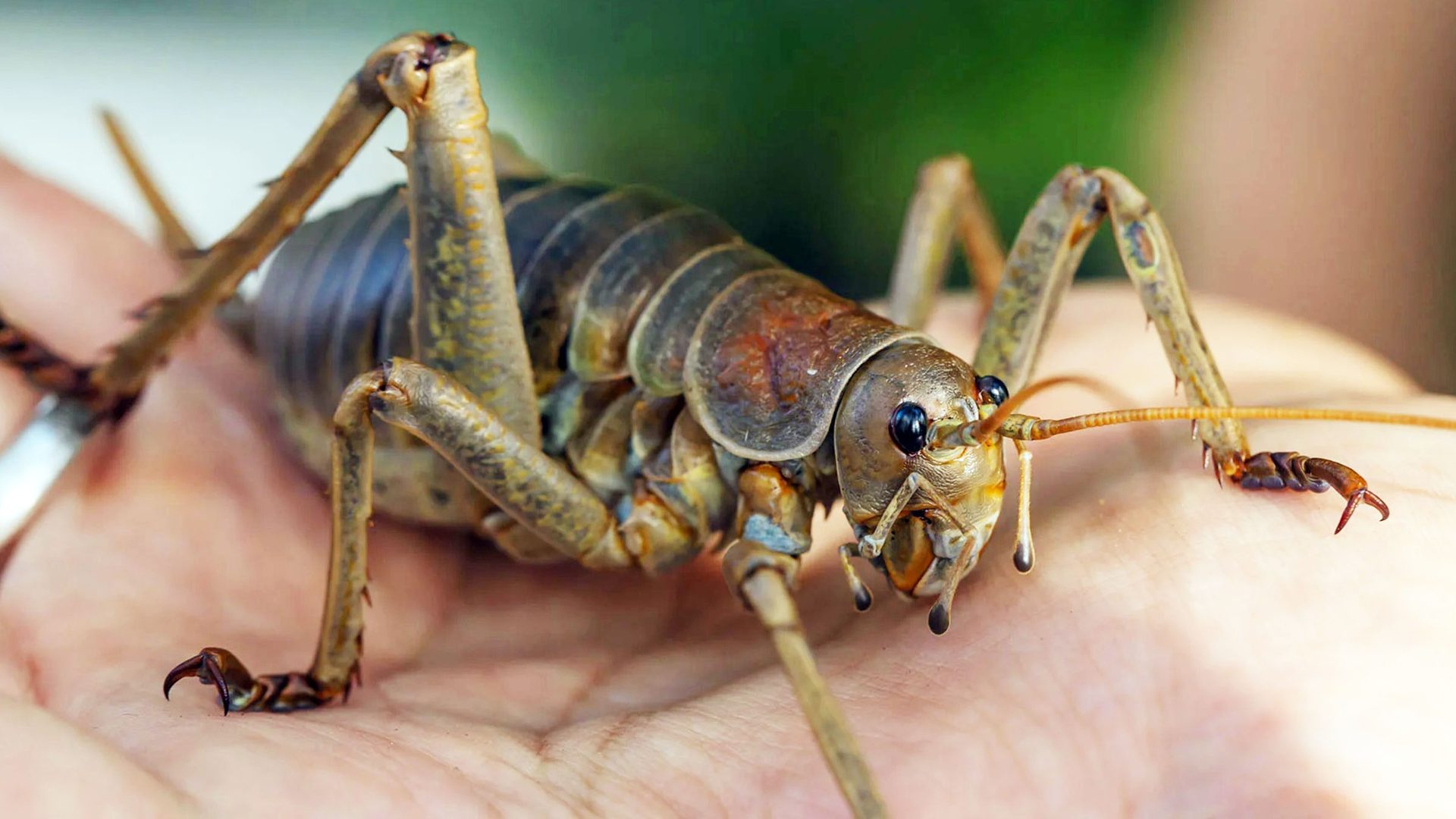
In a significant conservation win reported in early October 2026, New Zealand’s largest giant wētā, the wetapunga, has established at least four generations of self-sustaining wild populations on predator-free islands. This recovery follows a captive breeding program that released approximately 11,000 zoo-bred insects over 15 years, resulting in densities 20 times higher than the source populations. The success demonstrates the effectiveness of predator-free sanctuaries and captive breeding for species on the brink of extinction.
Funding Boost for Community Predator Control
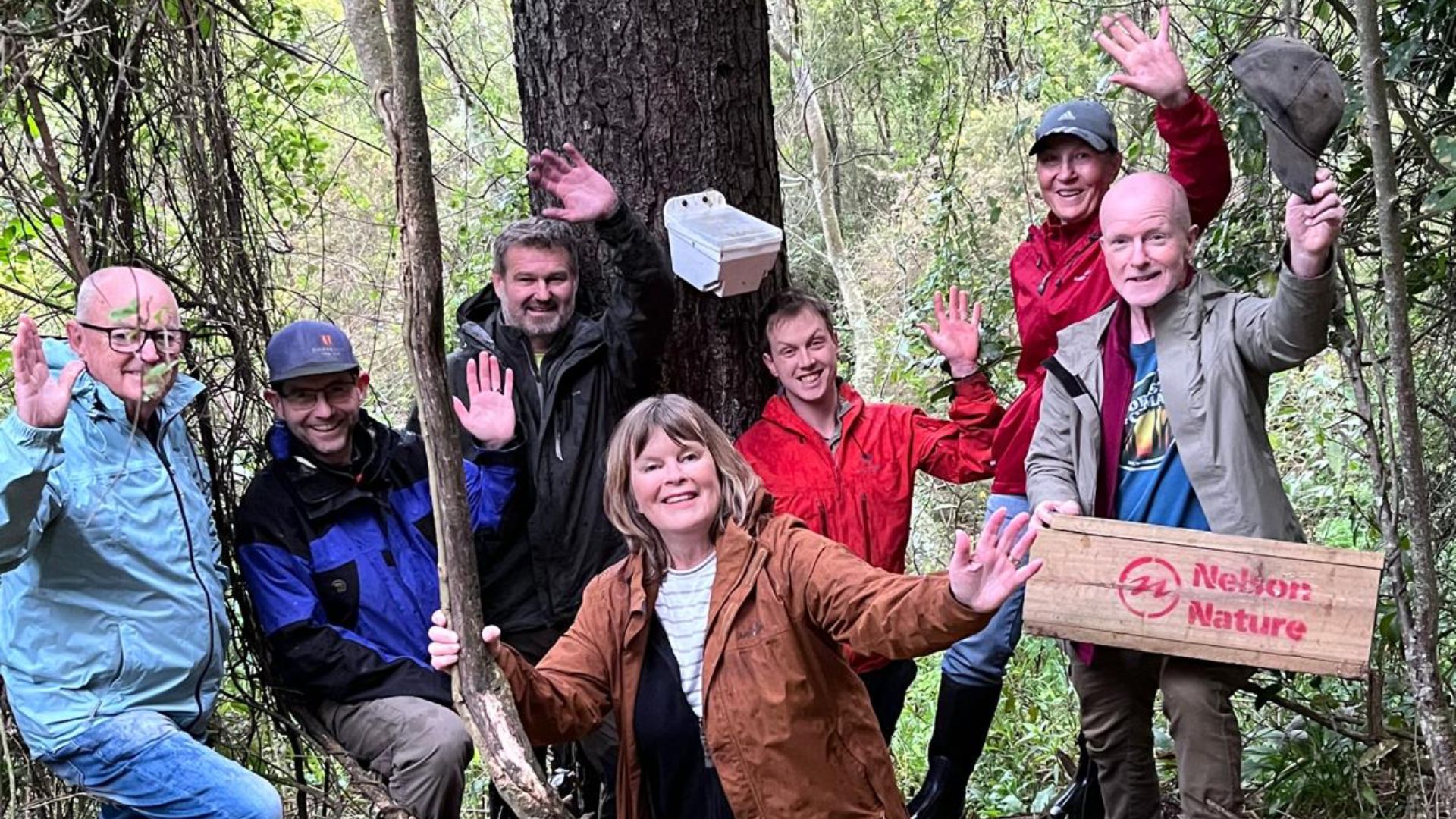
The Predator Free NZ Trust, supported by the Simplicity Foundation, has awarded funding to 15 community groups to enhance backyard trapping initiatives. This investment aims to expand the reach of local predator control efforts, engaging more residents in the removal of rats, stoats, and possums from urban and rural areas. These small-scale projects are critical components of the broader Predator Free 2050 vision.
Local view
Local media and conservation outlets are highlighting the tangible results of these efforts, with reports emphasizing the return of native species to areas previously dominated by pests. The success of the wetapunga recovery is being cited as a model for other endangered species, while community funding announcements are encouraging greater public participation in pest control.
Context & numbers
The wetapunga recovery program involved 45 translocations to 10 predator-free sites over 15 years, releasing 11,214 individuals. The current population density in these new habitats is 20 times higher than the original source population. Additionally, 15 new community groups have recently received funding to support backyard trapping networks.
On the radar
- Continued monitoring of the newly established wetapunga populations to ensure long-term viability.
- Further funding rounds for community predator control groups may be announced by the Predator Free NZ Trust.
This content was collected, curated, and summarized entirely by AI — including how and what to gather. It may contain inaccuracies. Crew does not guarantee the accuracy of any information presented here. Always verify facts on your own before acting on them. Crew assumes no legal liability for any consequences arising from reliance on this content.
Powered by
