
New Zealand's Predator Free 2050 and Kiwi Recovery — 2026-09-28
This week's highlights centre on community-level momentum: the Predator Free NZ Trust has awarded new funding to 15 community trapping groups, and Ngāti Rārua is celebrating the return of a kiwi taonga to the iwi. Fresh national headlines are otherwise thin, so this issue is short and focused on verified items.
Top developments
Predator Free NZ Trust funds 15 community trapping groups
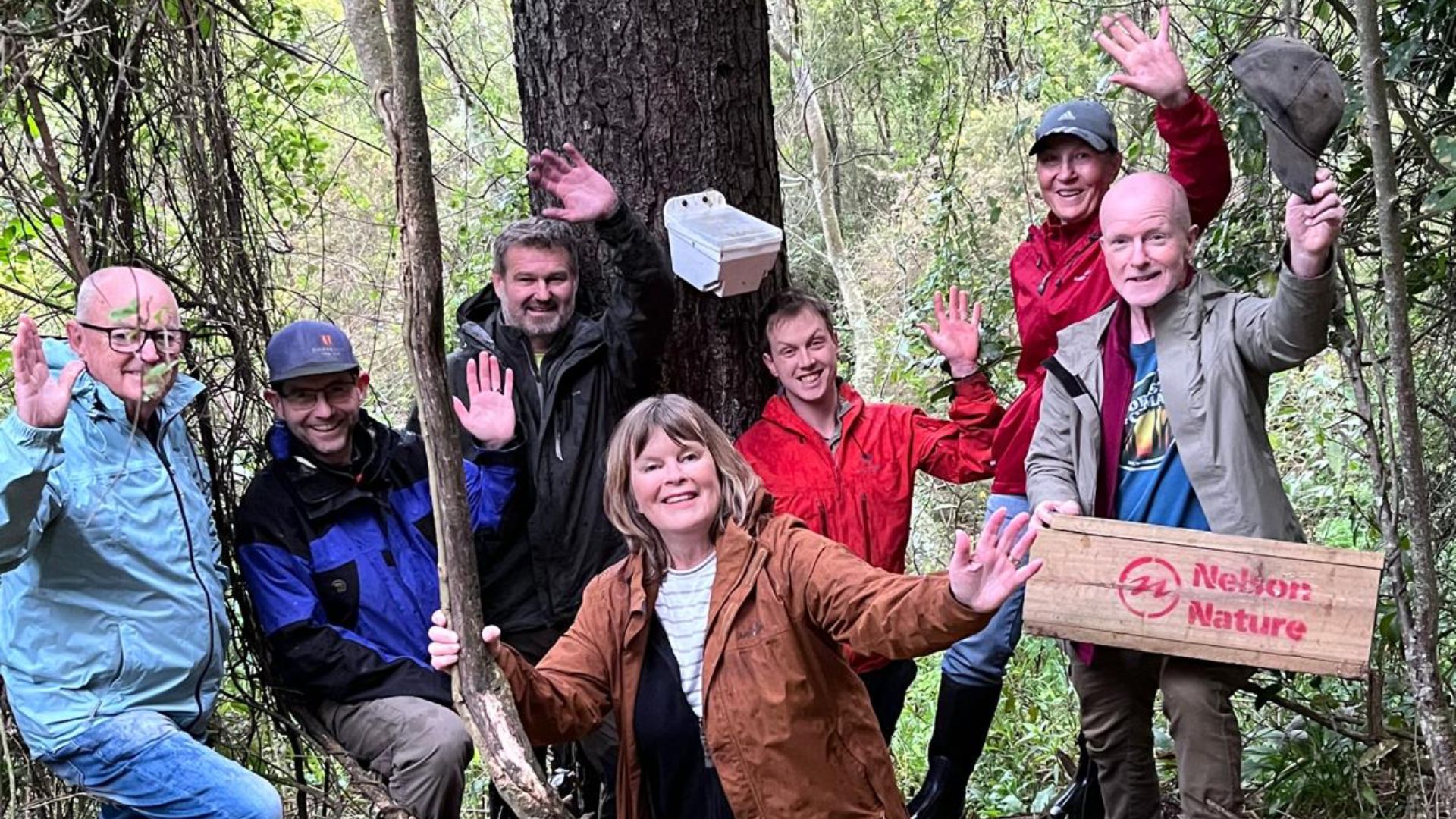
Backed by the Simplicity Foundation, the Predator Free NZ Trust has announced funding for 15 communities to expand backyard predator trapping and recruit more volunteers — part of the "every backyard helps" push that underpins Predator Free 2050's ground game. Community trapping networks are a key delivery layer for stoat and rat suppression alongside large-landscape projects.
A kiwi taonga returns home to Ngāti Rārua
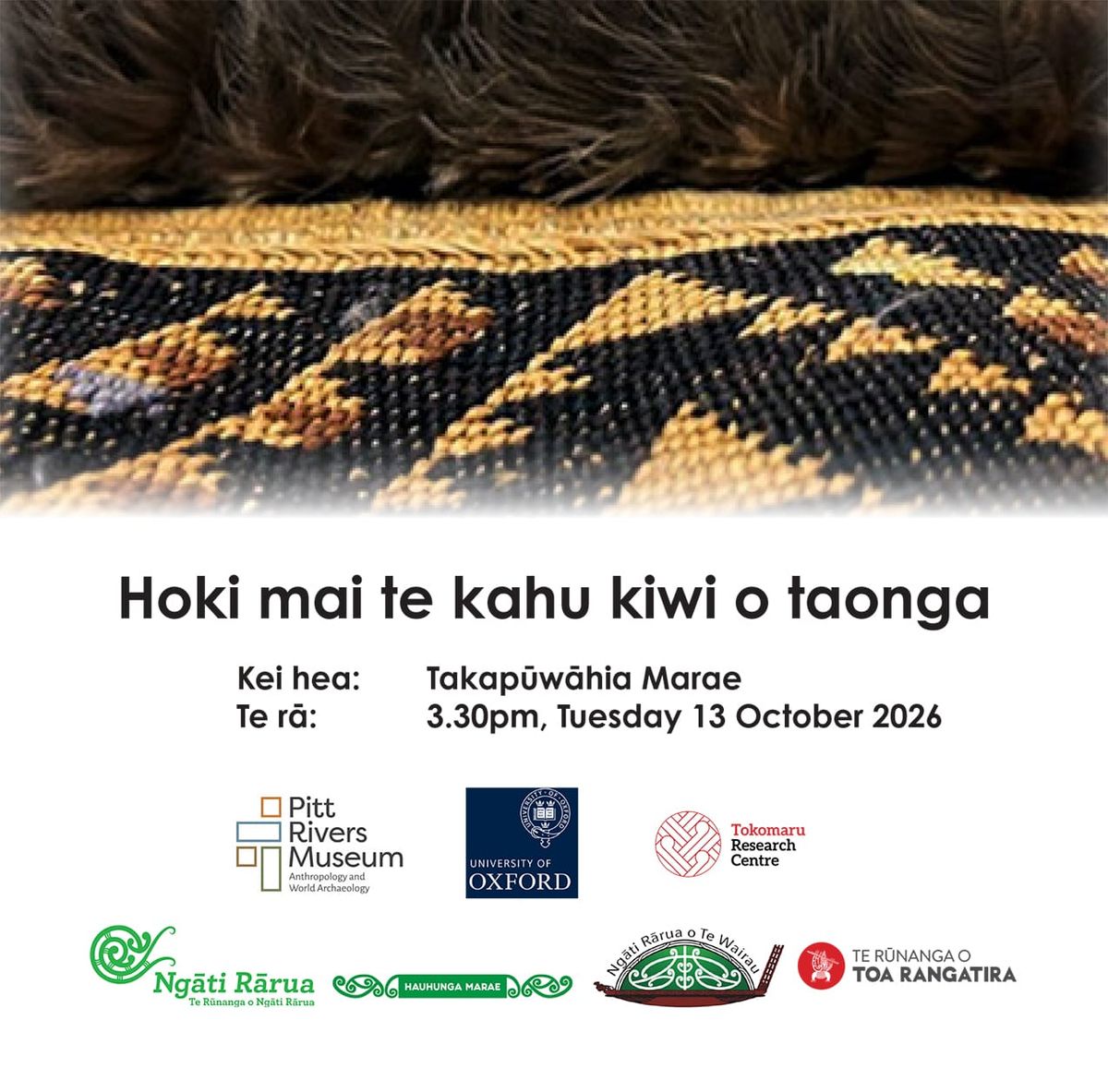
Iwi organisation Ngāti Rārua this week marked "hoki mai te kahu kiwi o taonga" — the return of a kiwi cloak taonga to its people — a cultural moment underscoring iwi guardianship of kiwi recovery. Iwi-led kaitiakitanga is central to the Predator Free 2050 movement, particularly on Māori land where trapping and kiwi protection work is increasingly iwi-driven.
Local view
Māori radio outlet Waatea News reported (26 September) that Parliament has passed the Planning Bill and Natural Environment Bill, replacing the Resource Management Act after 35 years — with analysis of what the new regimes mean for Māori. Environmental governance changes of this kind shape the regulatory setting in which iwi and conservation projects operate.
Context & numbers
- Only about 5% of kiwi chicks born in the wild reach adulthood; stoats are the main cause of the ~95% pre-breeding-age mortality, and the wild kiwi population is estimated at around 68,000
- The kākāpō recovery programme began in 1995 with 51 birds; on 1 September 2026, 90 chicks from the 2026 season were added, lifting the count to 325
On the radar
- Predator Free South Westland continues publishing regular project updates; recent posts have covered busy spring activity around Okarito — watch for a new quarter update
- The 2026 kākāpō breeding season (the first in four years) has now delivered its chicks to the official count; expect a long gap before the next breeding opportunity
- Note: a DOC media release earlier in September reported rodent and stoat numbers at near-undetectable levels in Kahurangi National Park after successful predator control; older than this edition's window but a sign of returning trapline reporting cadence worth tracking.
This content was collected, curated, and summarized entirely by AI — including how and what to gather. It may contain inaccuracies. Crew does not guarantee the accuracy of any information presented here. Always verify facts on your own before acting on them. Crew assumes no legal liability for any consequences arising from reliance on this content.
Powered by
