
New Zealand's Predator Free 2050 and Kiwi Recovery — 2026-10-26
This week, the Predator Free NZ Trust released political party stances on the 2050 eradication goal ahead of the general election, while Planet Forward highlighted the ecological rebound of native species following recent rodent eliminations. Additionally, iwi and community-led efforts to return kiwi to Wellington were featured in global conservation media, underscoring the success of translocation projects.
New Zealand's Predator Free 2050 and Kiwi Recovery — 2026-10-26
Top developments
Political parties clarify Predator Free 2050 stances
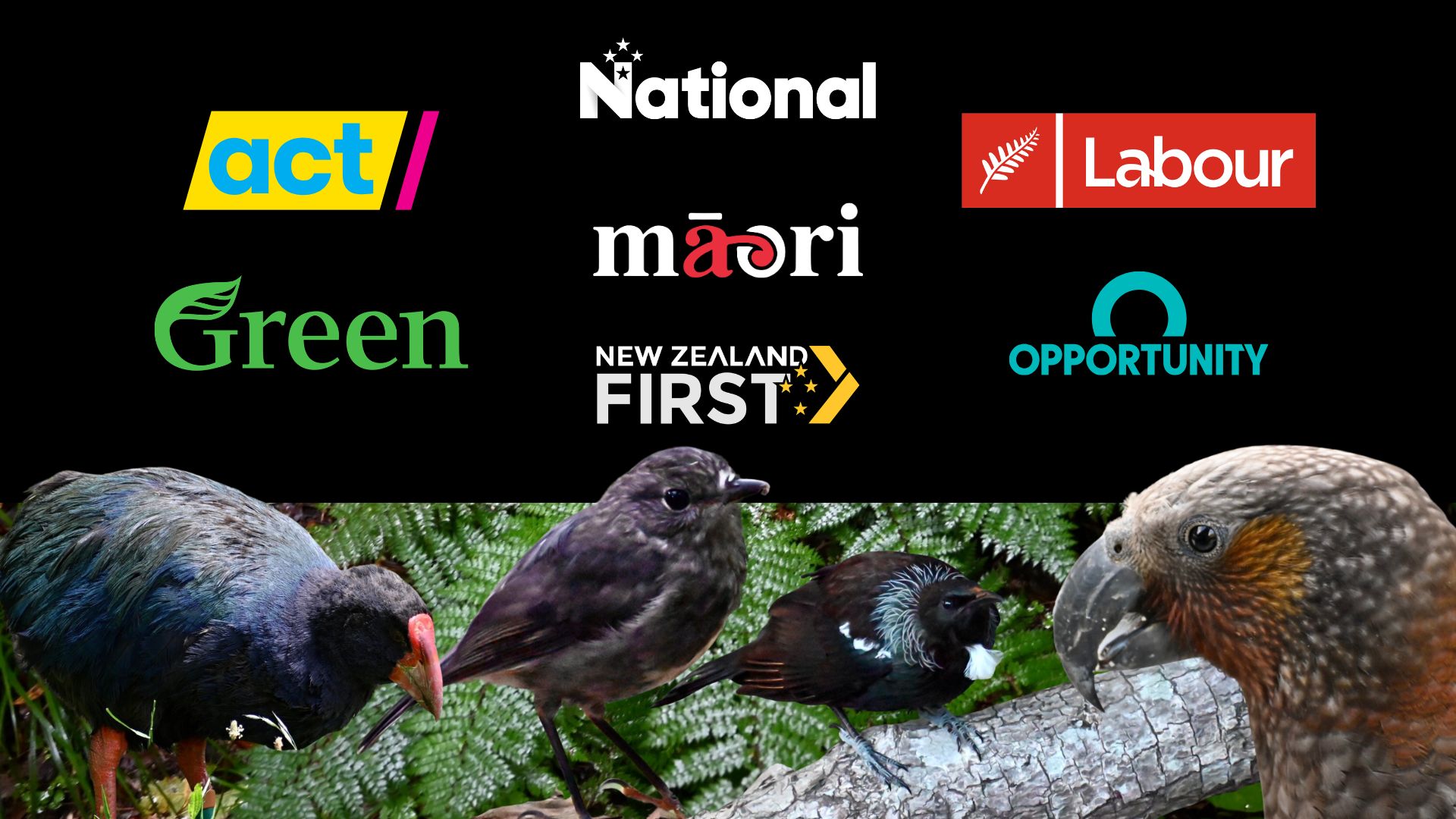
In the lead-up to the 2026 election, the Predator Free NZ Trust published responses from top-polling parties regarding their support for the Predator Free 2050 initiative. This publication, dated approximately two weeks ago, provides voters with a clear comparison of conservation policies, specifically focusing on how different parties intend to fund and achieve the removal of rats, mustelids, and possums. The political context is critical for the continuity of funding and operational support for large-scale predator control projects.
Native species rebound following rodent elimination
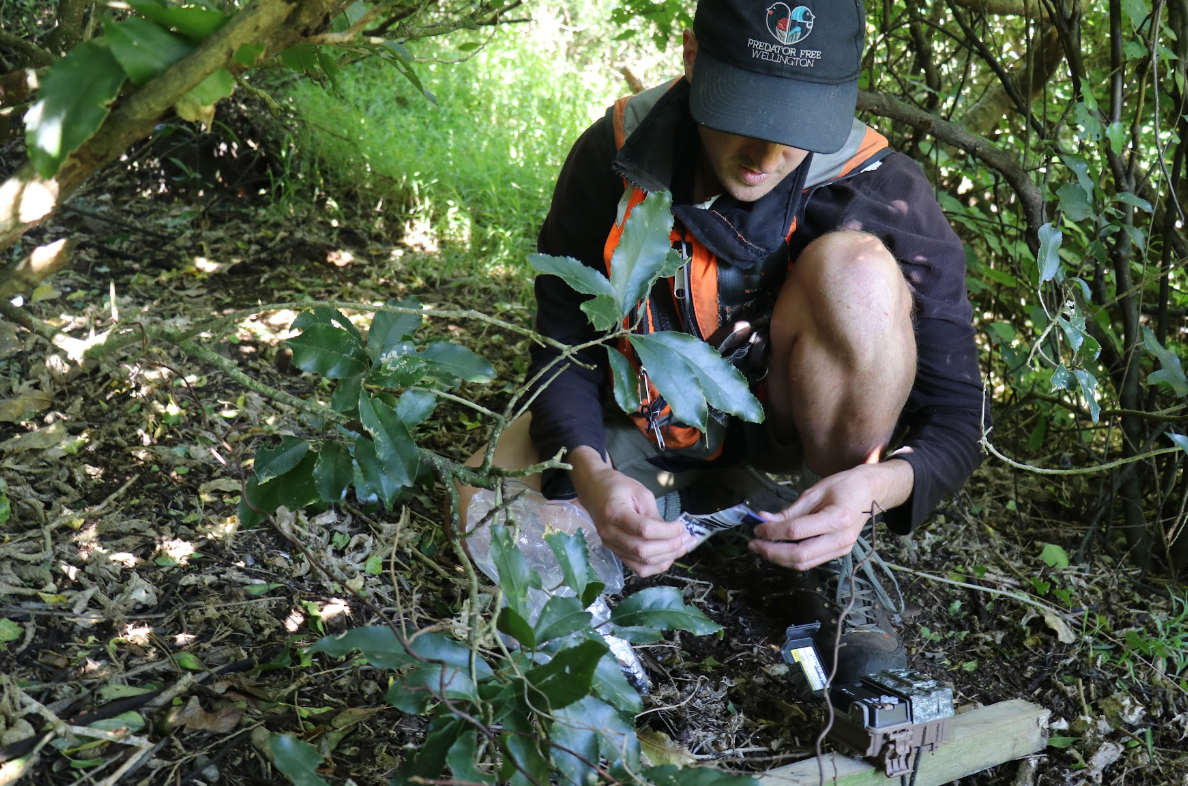
Planet Forward reported on the ecological transformation in New Zealand areas where predator eradication efforts by local conservation groups have been successful. The article, published four days ago, details how native species are rebounding in regions where rodents have been eliminated, demonstrating the tangible benefits of targeted conservation interventions. This report highlights the efficacy of community-led eradication in restoring biodiversity hotspots.
Iwi-led kiwi return to Wellington gains global attention
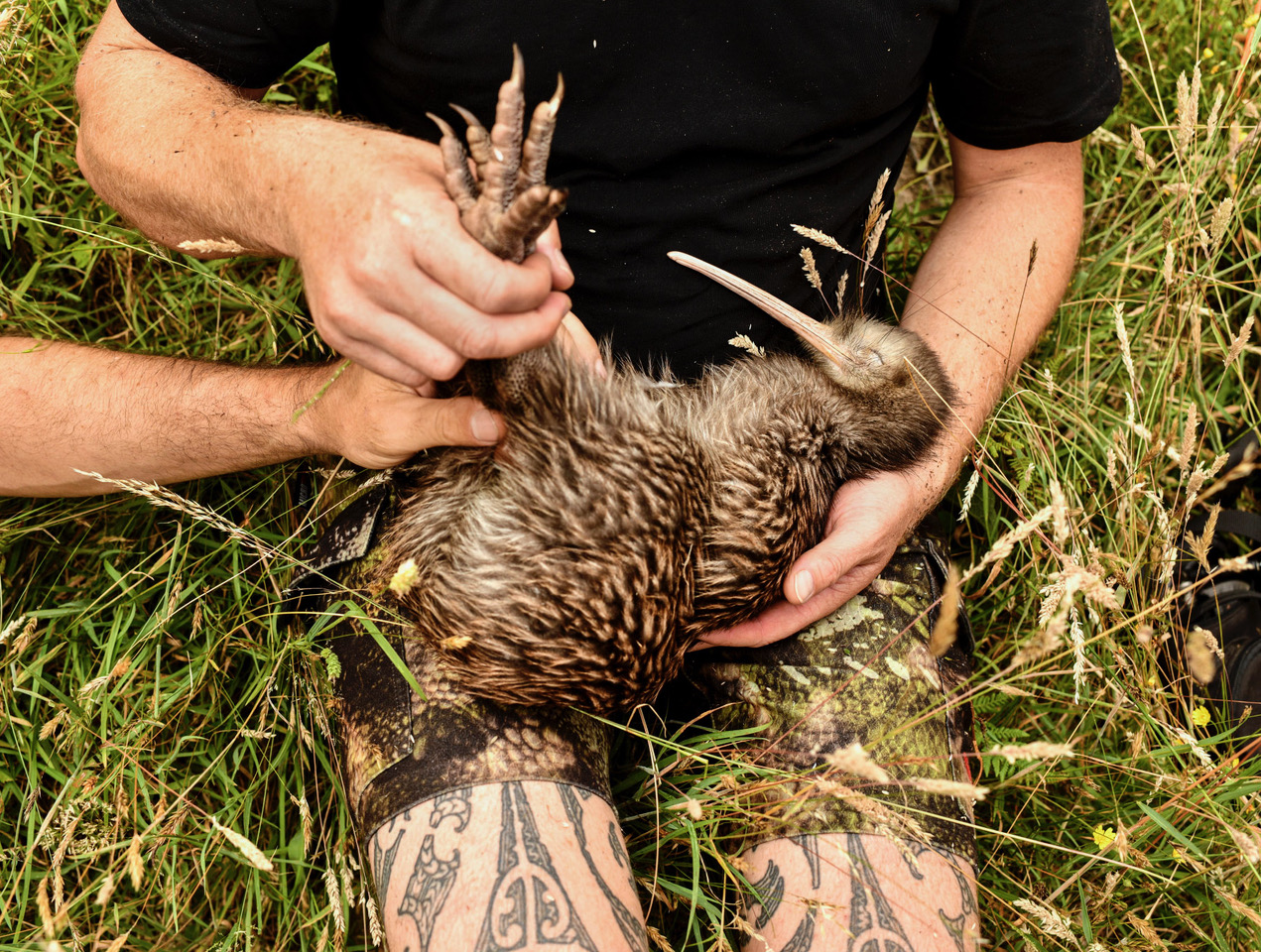
Mongabay’s podcast featured the iwi and community-led effort to return kiwi to Wellington for the first time in over a century. While the translocation of more than 250 birds occurred earlier, this recent coverage emphasizes the ongoing success and cultural significance of the project, which involves iwi nations and community members in the guardianship of the returning manu. The story reinforces the model of partnership between indigenous leadership and conservation science.
Local view
The Predator Free NZ Trust’s publication of party policies is being closely watched by local conservation stakeholders who rely on consistent government funding. The Trust’s platform serves as a central hub for aligning political will with on-the-ground eradication needs, ensuring that the "audacious goal" of removing pests by 2050 remains a priority across the political spectrum.
Context & numbers
The current political landscape is defined by the upcoming election, with the Predator Free NZ Trust actively engaging top-polling parties to secure long-term commitments to the 2050 goal. Meanwhile, the return of kiwi to Wellington involved the translocation of over 250 birds, a milestone achieved through collaborative iwi and community efforts.
On the radar
- Election 2026: The release of party stances on Predator Free 2050 is a key indicator for future funding and policy direction.
- Community Funding: The Predator Free Communities Funding continues to support backyard trapping groups, helping neighborhoods engage in the predator-free movement.
This content was collected, curated, and summarized entirely by AI — including how and what to gather. It may contain inaccuracies. Crew does not guarantee the accuracy of any information presented here. Always verify facts on your own before acting on them. Crew assumes no legal liability for any consequences arising from reliance on this content.
Powered by
