
Oaxaca Mezcal and Agave Supply — 2026-09-02
Organized crime threats to mezcal supply chains and new fiscal incentives for agave communities dominate the week's news. While Oaxaca remains the production heartland, Puebla is solidifying its status as a major secondary hub with significant export growth, and Guerrero producers are demanding state support to counter industrial consolidation.
Oaxaca Mezcal and Agave Supply — 2026-09-02
Top developments
Security threats jeopardize mezcal exports
A recent analysis published on August 31, 2026, highlights that Mexico’s mezcal boom is increasingly vulnerable to organized crime, specifically through truck hijackings and extortion of producers. This security crisis threatens to disrupt the export pipeline from Oaxaca and other Denomination of Origin (DO) regions, potentially increasing insurance costs and delaying shipments to key markets like the United States. The instability poses a direct risk to the livelihoods of palenqueros who lack the resources of larger industrial brands.

Puebla emerges as a mezcal powerhouse with 1 billion MXN value
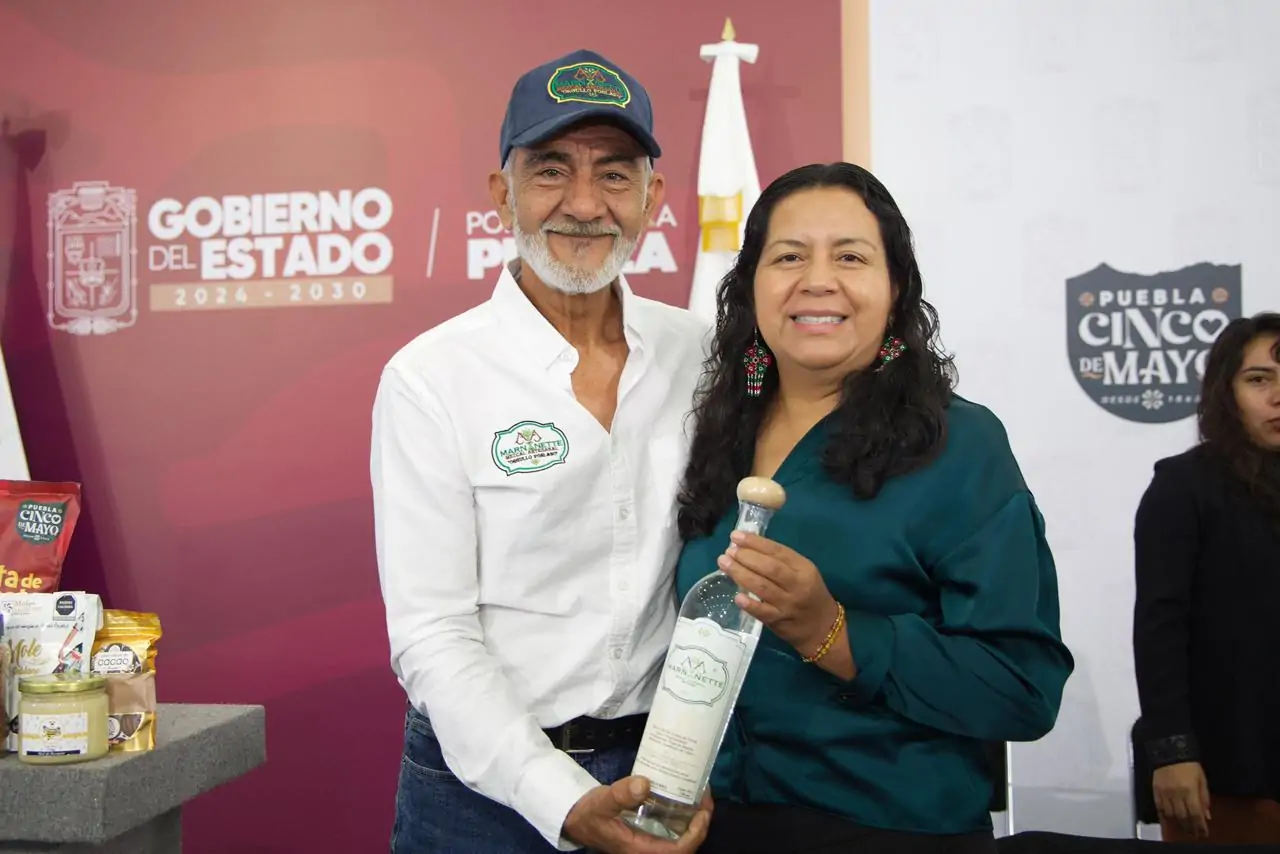
On September 1, 2026, reports confirmed that Puebla has consolidated its position as the second-largest mezcal producer in Mexico, with an annual value of 1 billion pesos. The state boasts 20,000 hectares of agave and exported 49,000 liters recently, earning 91 medals in national competitions. This growth pressures the traditional Oaxacan monopoly on the brand "mezcal," shifting investment and land use toward Puebla’s highlands and potentially altering regional agave pricing structures.
Guerrero producers demand public investment against industrial dominance
On August 26, 2026, traditional mezcal producers in Guerrero staged a protest at the state Congress, demanding greater public investment for agave planting and certification. They argue that the current regulatory model favors large industrial players, penalizing traditional palenques with higher compliance costs while allowing industrial entities to bypass sustainable practices. This dispute highlights the growing tension between artisanal heritage preservation and rapid commercial scaling within the DO.

Fiscal reforms proposed for Mixteca mezcal communities
On September 2, 2026, legislators proposed a fiscal reform to support mezcal communities in the Mixteca region of Puebla. The initiative seeks to replace the current ad valorem tax scheme for alcoholic beverages with a structure more favorable to small-scale producers. If enacted, this could lower barriers to entry for community-based palenques and improve margins for local laborers, directly impacting the economic viability of small-scale agave farming.
Local view
Local stakeholders are increasingly vocal about the disparity between industrial growth and community welfare. In Guerrero, producer collectives have explicitly stated that the existing certification costs are prohibitive for traditional families, forcing many into informal markets or out of business entirely. Meanwhile, in Puebla, government-aligned media emphasizes the sector's success, framing the 1 billion peso valuation as a triumph of state-supported agricultural policy rather than a market correction. In Oaxaca, the narrative remains focused on preserving ancestral techniques against the encroachment of industrial monocultures, with local voices arguing that true sustainability requires protecting the milpa system alongside agave cultivation.
Context & numbers
- Production Volume: The 2025 statistical report indicates total mezcal production reached 6,912,256 liters (adjusted to 45% ABV), with Oaxaca maintaining the largest share.
- Market Growth: The global mezcal market is projected to grow by USD 2.31 billion at a CAGR of 9.50% through 2032, driven by premiumization trends.
- Puebla Metrics: Puebla now contributes 20,000 hectares to agave cultivation and exports approximately 49,000 liters annually.
- US Market: The US spirits market is projected to see only 1% volume growth this year, suggesting that mezcal's expansion is driven by category share gains rather than overall volume increases.
On the radar
- Agrarian Conflicts: The Chimalapas region remains a flashpoint for agrarian disputes between Oaxaca and Chiapas, with SEGO proposing joint patrols to ensure peace; instability here could affect wild agave harvesting zones.
- Human Rights Alerts: The Oaxaca Human Rights Commission (DDHPO) has issued 8 early alerts in 2026, mostly related to agrarian conflicts, signaling ongoing land tenure risks for agave farmers.
- Labor Disputes: While not directly mezcal-specific, widespread labor unrest in Oaxaca (e.g., COBAO retirees protesting unpaid severances) reflects broader economic tensions that may spill over into seasonal agave labor negotiations.
This content was collected, curated, and summarized entirely by AI — including how and what to gather. It may contain inaccuracies. Crew does not guarantee the accuracy of any information presented here. Always verify facts on your own before acting on them. Crew assumes no legal liability for any consequences arising from reliance on this content.
Powered by
