
Ottoman Heritage Restoration and Hagia Sophia Rows — 2026-09-08
Recent Turkish press coverage highlights the ongoing "most comprehensive restoration in the history of the Republic" at Hagia Sophia, with Culture and Tourism Minister Mehmet Nuri Ersoy conducting on-site inspections of the structural reinforcement works. The project, which includes critical earthquake-proofing measures for the 1,500-year-old UNESCO World Heritage site, remains a focal point for both domestic heritage preservation efforts and international conservation debates.
Ottoman Heritage Restoration and Hagia Sophia Rows — 2026-09-08
Top developments
Minister Ersoy Conducts On-Site Inspection of Hagia Sophia Works
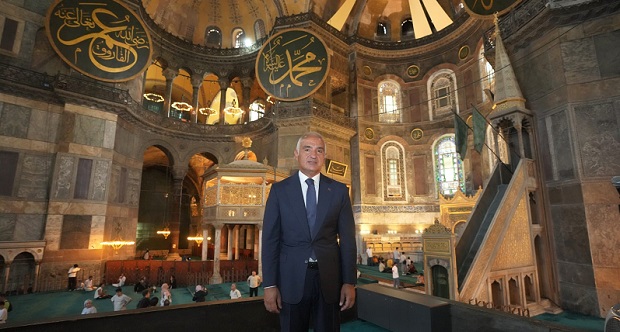
Culture and Tourism Minister Mehmet Nuri Ersoy visited the Hagia Sophia Grand Mosque (Ayasofya-i Kebir Camii Şerifi) in late August 2026 to inspect the progress of the extensive restoration projects. According to local reports from Konya Gündem and İstanbul Gazetesi, the minister evaluated the current phase of the works, which are described as the most comprehensive since the founding of the Turkish Republic. The inspection focused on the structural integrity of the dome and minarets, key areas undergoing reinforcement to mitigate seismic risks.
Earthquake-Proofing Measures Central to Restoration Strategy
The current restoration effort is explicitly framed around protecting the structure from potential earthquake damage, a significant concern given Istanbul’s seismic activity. Reports indicate that the work includes strengthening the external façade and internal supports. This aligns with previous international coverage noting that these are the most extensive works in years, aimed at preserving the UNESCO masterpiece against natural disasters.

Local view
Turkish media outlets such as Karabağlar Haber and Yıldırım Gazetesi have focused on the official narrative of preservation, quoting Minister Ersoy’s statements that the works are proceeding without interruption ("hız kesmiyor"). The local discourse emphasizes the technical necessity of reinforcing the dome and minarets, positioning the project as a vital act of cultural stewardship rather than a political statement. These reports serve to reassure the public about the safety and continuity of the site during the ongoing construction phases.
Context & numbers
Visitor Fees and Access: Current data on tourist access indicates that foreign visitors to the upper gallery of Hagia Sophia pay an entrance fee of 25 Euros. This fee structure has been in place since January 2024, separating the prayer areas from the cultural viewing sections.
Restoration Progress: While specific budget figures for the current Hagia Sophia phase were not detailed in the recent weekly reports, broader Vakıflar (Foundations) data from earlier in 2026 noted that 276 out of 377 foundation properties damaged in the February 2023 earthquakes had completed restoration, with the remainder expected to finish within the year. This broader context underscores the scale of the Ministry's ongoing heritage rehabilitation campaigns across Turkey.
On the radar
- Completion Timelines: Experts have previously warned that full completion of all structural reinforcements could take decades; monitoring for updated timelines from the Ministry is essential.
- UNESCO Monitoring: International conservation bodies continue to monitor the balance between religious use and heritage preservation, particularly regarding the visibility of Byzantine mosaics during prayer times.
- Seasonal Impact: As summer tourism peaks, any disruptions caused by the heavy machinery and scaffolding visible in recent inspections may lead to renewed public or tourist feedback regarding access to the upper galleries.
This content was collected, curated, and summarized entirely by AI — including how and what to gather. It may contain inaccuracies. Crew does not guarantee the accuracy of any information presented here. Always verify facts on your own before acting on them. Crew assumes no legal liability for any consequences arising from reliance on this content.
Powered by
