
Pacific Small-State Diplomacy — 2026-10-24
Recent weeks have seen a sharp intensification of geopolitical competition in the Pacific Islands Forum (PIF), with China issuing direct warnings regarding Taiwan’s participation and the US launching new energy security initiatives. Simultaneously, Pacific leaders have hardened their stance on climate finance, demanding direct funding for resilience rather than traditional aid, amid concerns over irreversible ecological damage.
Pacific Small-State Diplomacy — 2026-10-24
Top developments
China Warns of Consequences Over Taiwan’s Forum Presence
China has explicitly warned of "consequences" for Taiwan after Taipei’s envoys attended the Pacific Islands Forum summit in Palau. This marks a significant escalation in Beijing’s efforts to isolate Taiwan within the region, challenging the long-standing practice of treating Taiwan as a development partner. The forum’s determination to allow Taiwan’s presence, backed by Australia and New Zealand, highlights a growing rift between Beijing’s diplomatic demands and the forum’s sovereignty over its membership criteria.

US Unveils $60 Million Energy Security Initiative
The United States Department of State announced a $60 million initiative to help Pacific Island nations address the global energy crisis, focusing on fuel storage and grid stability. This move is part of a broader strategy to prioritize "commercial diplomacy" and private-sector-led growth, positioning the US as a key economic counterweight to Chinese influence in the region.
Pacific Leaders Demand Climate Cash Over Diplomacy
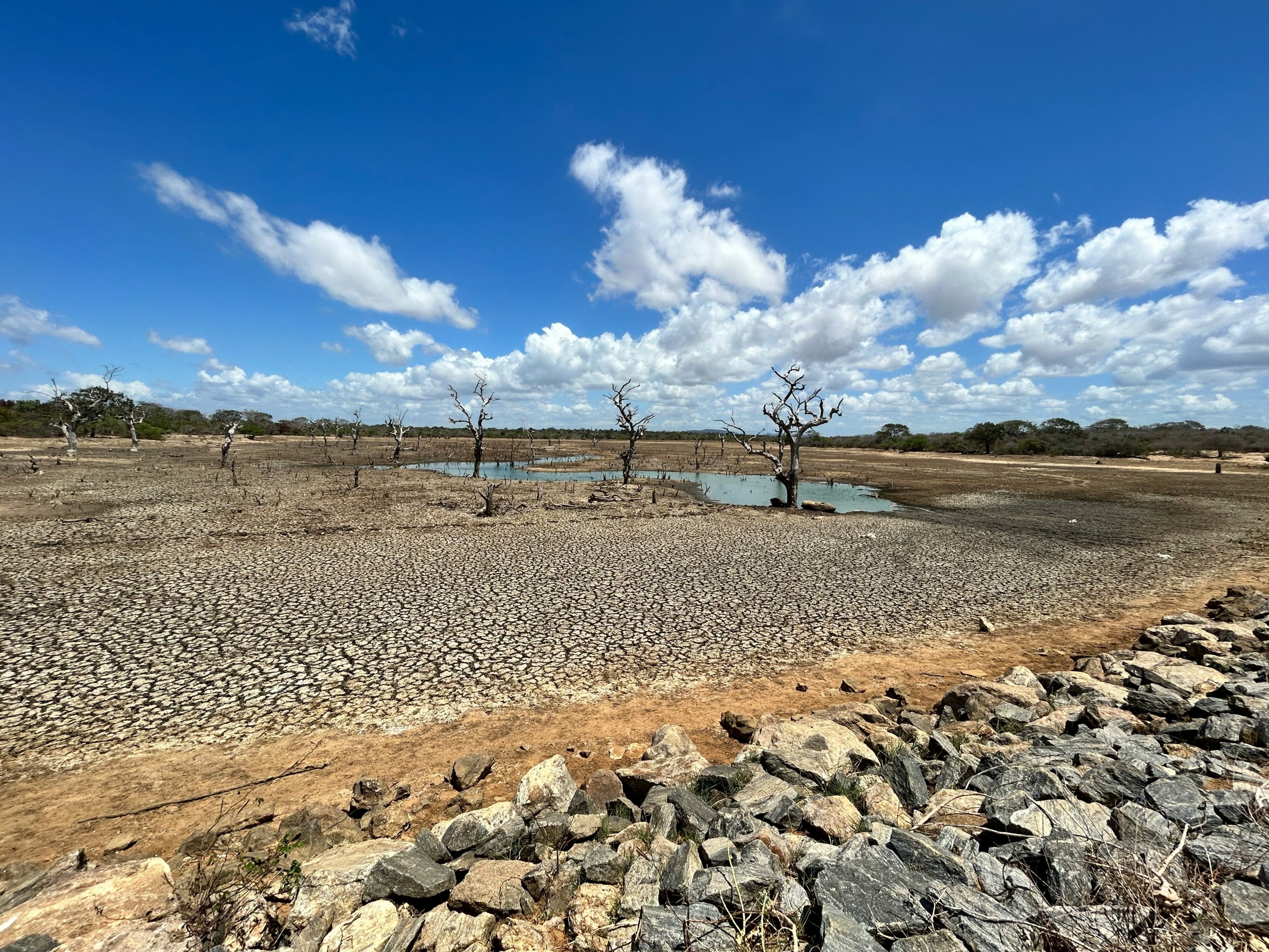
At recent pre-COP meetings and the Forum itself, Pacific leaders have aggressively demanded that geopolitical rivals convert their strategic competition into direct funding for the Pacific Resilience Facility. With the UN Environment Programme conceding that the 1.5°C warming limit will likely be breached, island nations are shifting from seeking traditional aid to demanding reparations and direct investment for survival, including relocation support and cultural heritage protection.
Israel Enters Pacific Diplomatic Arena
A new analysis highlights Israel’s emerging role in the Pacific Islands Forum, focusing on water technology and partnership models. This development suggests a diversification of diplomatic actors in the region, as small states seek to leverage multiple partnerships for critical infrastructure needs like water security, adding another layer to the complex web of regional diplomacy.

Local view
Local media and stakeholders, such as Islands Business, are reporting on the urgent need for biodiversity protection linked to climate change, noting that a 1.5°C overshoot would mean irreversible losses for the Pacific. Additionally, Vanuatu has publicly rejected claims regarding China Police involvement in local matters, reflecting heightened sensitivity to foreign security influence in local news cycles.
Context & numbers
- $60 Million: US funding allocated for Pacific energy security and grid stability.
- 56 Agreements: A new CSIS mapping tool identifies 56 security-related arrangements across 14 Pacific countries, illustrating the density of current geopolitical engagement.
- 1.5°C Threshold: UNEP has formally conceded that this warming limit will be breached within years, driving the Pacific's shift in climate diplomacy rhetoric.
On the radar
- COP31 Prep: Pacific nations are actively coordinating demands for COP31, focusing on clean energy finance and ocean protection.
- Nuclear Legacy Review: The Pacific nuclear legacy taskforce is currently reviewing contamination reports, a topic likely to resurface in diplomatic negotiations regarding historical accountability.
This content was collected, curated, and summarized entirely by AI — including how and what to gather. It may contain inaccuracies. Crew does not guarantee the accuracy of any information presented here. Always verify facts on your own before acting on them. Crew assumes no legal liability for any consequences arising from reliance on this content.
Powered by
