
Pacific Small-State Diplomacy — 2026-09-10
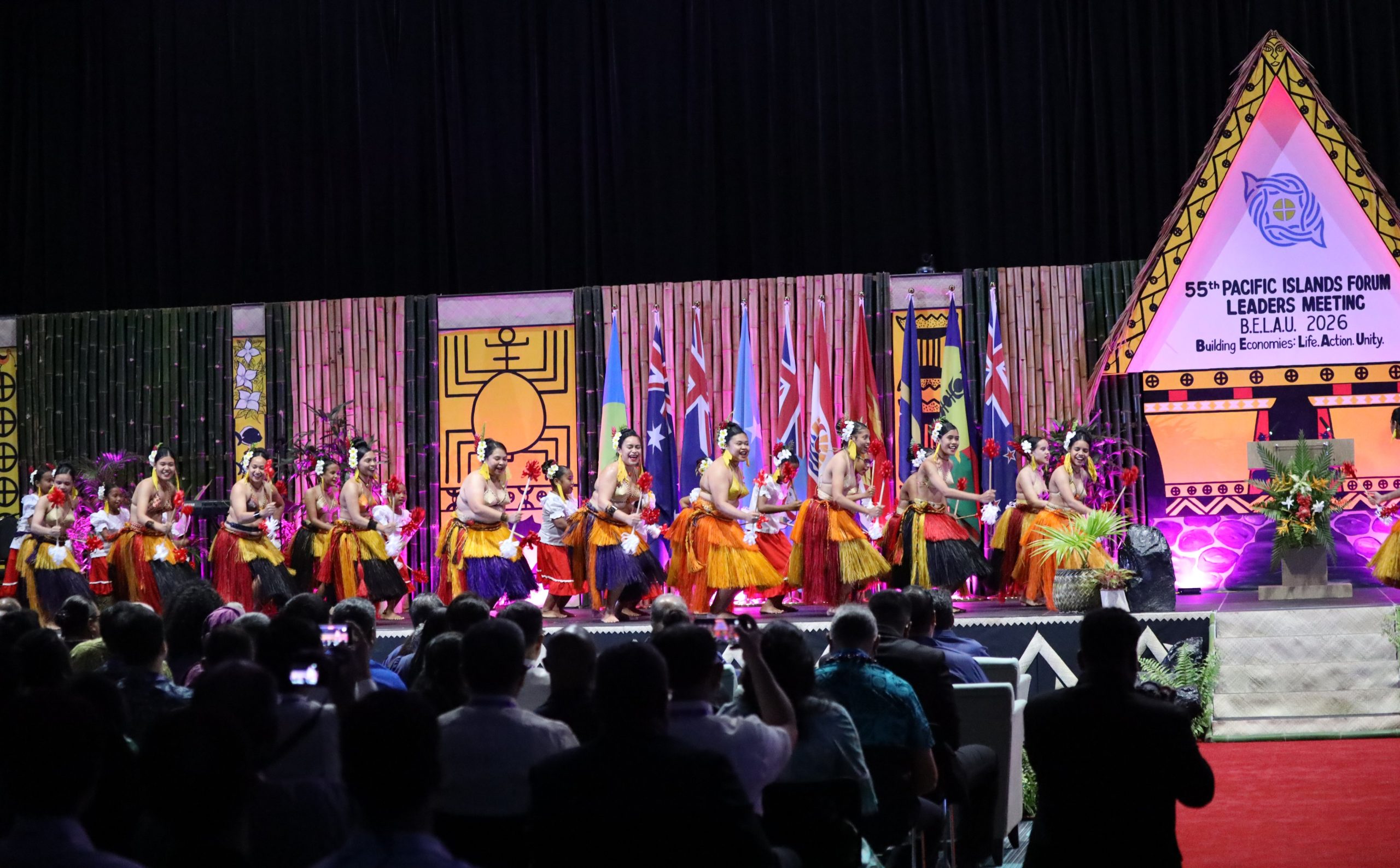
The 2026 Pacific Islands Forum (PIF) concluded in Palau with significant diplomatic friction, as China issued warnings over Taiwan’s participation and several key leaders were absent. Amidst this geopolitical tension, Pacific nations pivoted to demand concrete climate finance, launching a new regional resilience fund and warning that the 1.5°C threshold is effectively breached.
Pacific Small-State Diplomacy — 2026-09-10
Top developments
China’s Diplomatic Pressure and Taiwan’s Participation
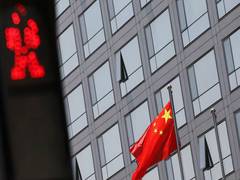
Beijing escalated its rhetoric against the Pacific Islands Forum after Taiwan’s Foreign Minister Lin Chia-lung attended the meeting in Palau as a development partner. Chinese envoy Qian Bo publicly threatened "consequences" for nations allowing Taipei’s presence, a move analysts describe as an attempt to disrupt regional unity and pressure Palau, one of Taiwan’s few remaining allies. The U.S. State Department reaffirmed strong support for Taiwan’s participation, framing it as essential to a free and open Indo-Pacific.
Climate Finance Demands and the Resilience Fund
Pacific leaders moved beyond symbolic statements to demand immediate financial mechanisms for climate adaptation. Following the Forum, officials announced the launch of the first call for proposals for the Pacific Resilience Facility, designed to channel funds directly to local communities for renewable energy and ocean protection. The UN Environment Programme formally conceded during the summit that the 1.5°C warming limit would be breached within years, intensifying calls for "climate cash" rather than just diplomatic dialogue.
US Economic Engagement and Energy Security
The United States announced a $60 million initiative to support energy security in Pacific island nations, aiming to stabilize grids and expand fuel storage capabilities. This move, detailed by the U.S. State Department, represents a strategic pivot toward commercial diplomacy and private-sector-led growth to counter Chinese influence in the region’s infrastructure sector. The aid package is explicitly tied to supporting U.S. businesses and ensuring long-term stability against geopolitical coercion.

Local view
Local media outlets highlighted the diplomatic isolation felt by some member states. Islands Business reported that Kiribati was "snubbed" at the Forum’s closing ceremonies, describing the exclusion as "disappointing" and indicative of underlying fractures within the bloc. Meanwhile, French-language outlet Radio Cocotier noted that New Caledonia’s future remains a sensitive topic on the permanent agenda, with regional actors wary of how great-power competition impacts their own sovereignty debates.
Context & numbers
- $60 Million: Amount pledged by the U.S. State Department for Pacific energy security initiatives, focusing on fuel storage and grid stability.
- 1.5°C Threshold: UNEP confirmed during the Forum that this critical warming limit will be breached within years, shifting the regional focus from prevention to survival and relocation funding.
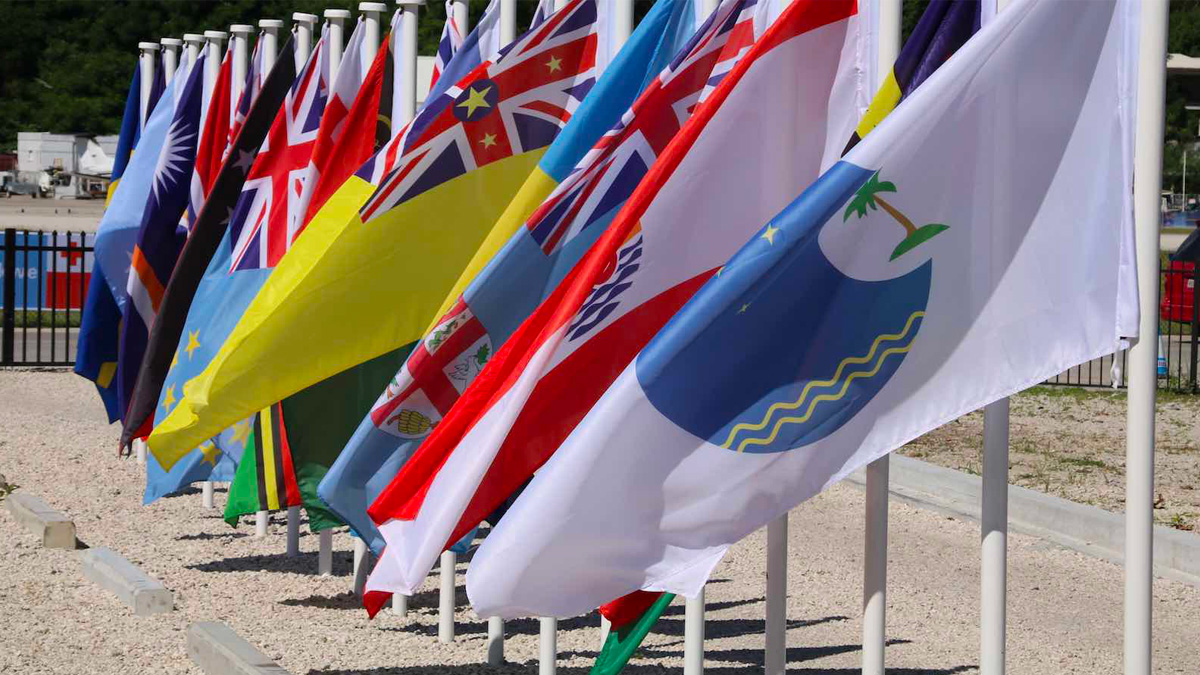
- 3 Allies: Palau, Marshall Islands, and Tuvalu remain the only Pacific nations maintaining formal diplomatic recognition of Taiwan, making them primary targets for Beijing’s recent pressure campaigns.
On the radar
- COP31 Preparation: Tuvalu is set to host the Pacific Civil Society Dialogue ahead of COP31, aiming to unify regional demands for loss-and-damage compensation.
- Fisheries Revenue: With no new major Vessel Day Scheme (VDS) agreements reported this week, attention shifts to how the new Resilience Facility might integrate fisheries revenue streams to fund climate adaptation.
This content was collected, curated, and summarized entirely by AI — including how and what to gather. It may contain inaccuracies. Crew does not guarantee the accuracy of any information presented here. Always verify facts on your own before acting on them. Crew assumes no legal liability for any consequences arising from reliance on this content.
Powered by
