
Panama Canal Water Levels and Slots — 2026-10-09
The Panama Canal Authority (ACP) has officially eased restrictions, increasing daily transit slots to 33 and raising the maximum draft to 49 feet effective October 15, 2026. This relief follows a recovery in Gatun Lake levels due to September rainfall, though the ACP has simultaneously announced a major auction of 558 long-term slots for the upcoming dry season (January–April 2027) to manage anticipated El Niño impacts.
Panama Canal Water Levels and Slots — 2026-10-09
Top developments
Daily Slots Increase to 33 as Draft Limit Rises to 49 Feet
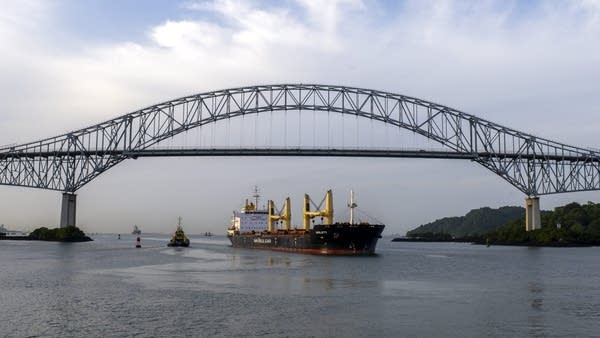
On October 2, 2026, the ACP announced that daily transits will increase from 32 to 33 starting October 15, 2026, with the maximum permitted draft rising to 49 feet. This decision is based on current and projected water levels in Gatun Lake, which have recovered sufficiently following September rains that were close to average for the watershed. The adjustment adds one additional slot specifically for Neopanamax locks, bringing the total Neopanamax capacity to 10 slots per day, while Panamax capacity remains at 23–25 depending on operational conditions.
ACP Auctions 558 Long-Term Slots for Dry Season 2027
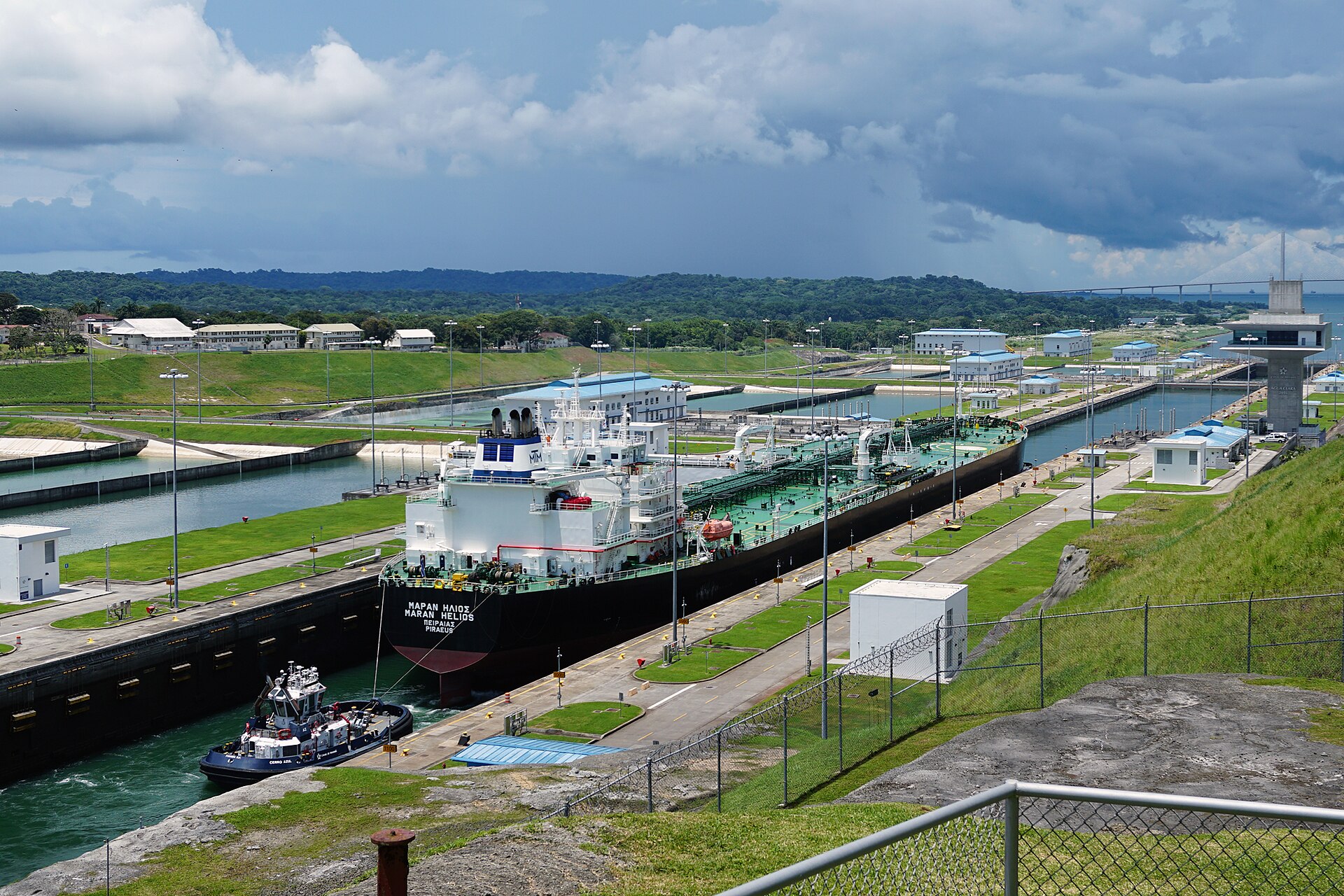
In a strategic move to secure revenue and manage capacity ahead of the next dry season, the ACP has announced an auction for 558 long-term transit slots covering January through April 2027. Notably, this auction includes slots for the older Panamax locks for the first time, reflecting the canal's need to optimize utilization across both lock complexes during periods of constrained water supply. This forward-looking auction signals the ACP's expectation that El Niño conditions will continue to pressure water reserves into early 2027, potentially forcing stricter rationing than currently seen.
Fiscal Budget Approved Without Tariff Changes
The National Assembly of Panama approved the Canal's fiscal budget for 2027 in late September, with no changes to current toll rates despite the operational adjustments. The budget focuses on maintaining operations under climate stress and funding long-term water security projects, including the Río Indio reservoir. The stability in tariffs provides some certainty for shippers facing volatile auction premiums, although the cost of securing guaranteed slots via auction remains significantly higher than standard booking fees.
Local view
Local media outlets such as Metro Libre and Newsroom Panama are highlighting the immediate operational relief provided by the October 15 adjustments, framing it as a direct result of community and industrial pressure combined with natural rainfall recovery. However, local stakeholders remain cautious; reports indicate that while the "breather" allows for normal operations until December, the underlying anxiety regarding the 2027 dry season persists. Community opposition to the Río Indio reservoir project continues to be a significant local political topic, with residents fearing displacement even as the ACP pushes for the project as a critical long-term solution.
Context & numbers
- Current Capacity: 33 daily transits (starting Oct 15, 2026), up from 32.
- Draft Limit: 49 feet (up from 48 feet).
- Neopanamax Slots: Increasing to 10 per day (from 9).
- Auction Volume: 558 long-term slots for Jan–Apr 2027.
- El Niño Impact: The ACP estimates El Niño could reduce transits by ~1,265 in 2027 compared to normal years, with potential costs exceeding $400 million if severe restrictions are needed.
On the radar
- October 15, 2026: Effective date for the new 33-slot cap and 49-foot draft limit. Shippers should verify bookings immediately prior to this date.
- Río Indio Reservoir Timeline: Resettlement of the first 200 residents is expected to begin mid-2027, with construction timelines remaining tight. Watch for updates on the program manager selection and land acquisition disputes.
- Dry Season Forecasts: Meteorologists are closely monitoring whether the "early" start of the dry season (potentially shifting from December to November) will trigger earlier-than-expected restrictions in Q4 2026.
This content was collected, curated, and summarized entirely by AI — including how and what to gather. It may contain inaccuracies. Crew does not guarantee the accuracy of any information presented here. Always verify facts on your own before acting on them. Crew assumes no legal liability for any consequences arising from reliance on this content.
Powered by
