
Panama Canal Water Levels and Slots — 2026-10-23
The Panama Canal has resumed last-minute booking slots for Panamax locks as water levels in Gatun and Alhajuela lakes recover, marking a significant easing of drought restrictions. Fiscal Year 2026 closed with record revenues of $6.6 billion and increased traffic volumes, driven by global supply chain shifts away from the Strait of Hormuz. Meanwhile, the controversial Rio Indio reservoir project continues to face strong local opposition due to displacement concerns.
Panama Canal Water Levels and Slots — 2026-10-23
Top developments
Last-Minute Booking Slots Return as Water Levels Improve
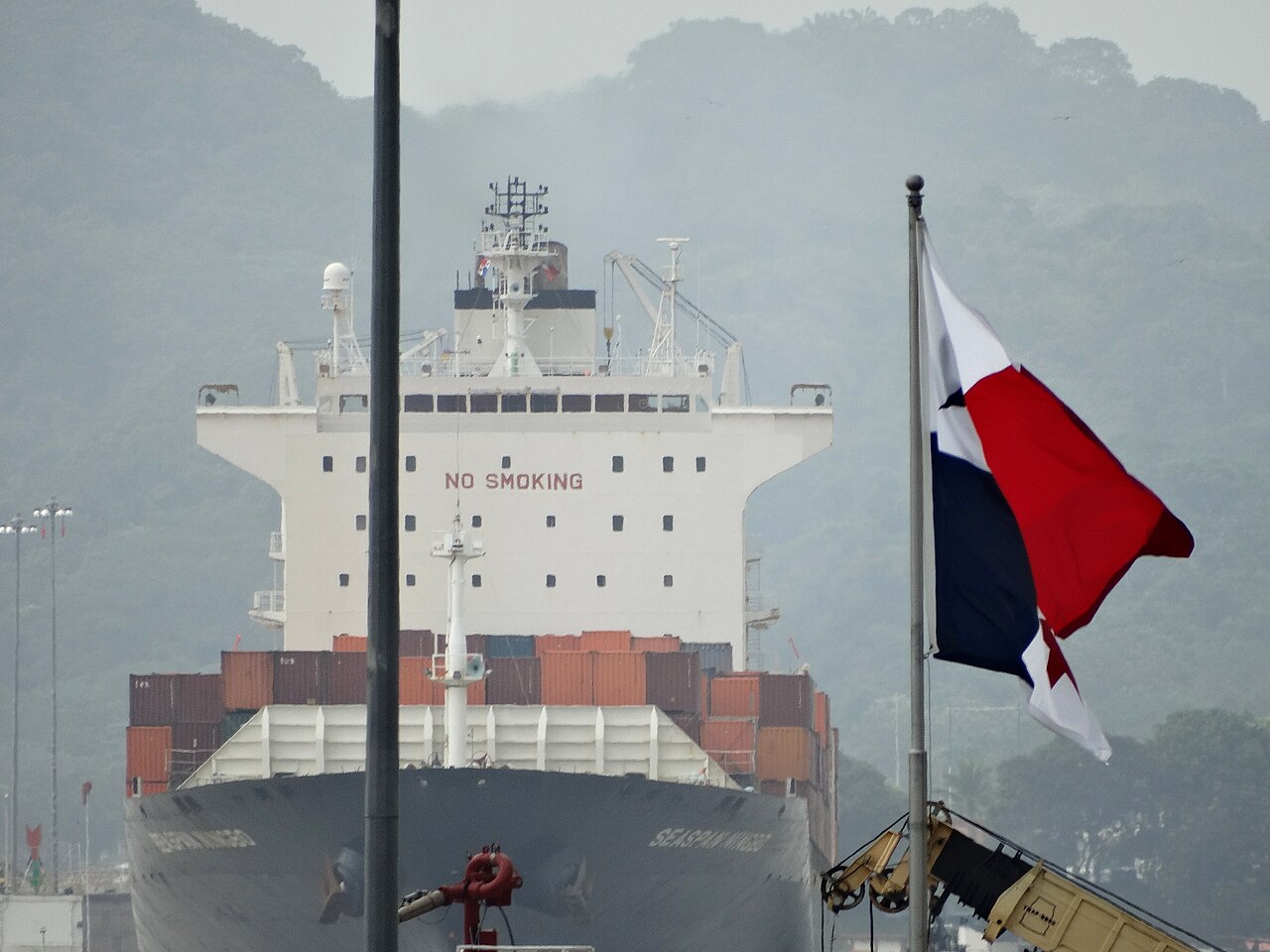
On October 21, 2026, the Panama Canal Authority (ACP) reinstated the last-minute reservation system for the Panamax locks, a move directly linked to improved water levels in the canal watershed. This reinstatement follows a period where such bookings were suspended to manage water resources during El Niño-induced drought conditions. The return of these slots allows shippers greater flexibility in their transit scheduling, signaling that the immediate water crisis has stabilized enough to relax strict operational constraints.
Fiscal Year 2026 Closes with Record Revenue and Traffic
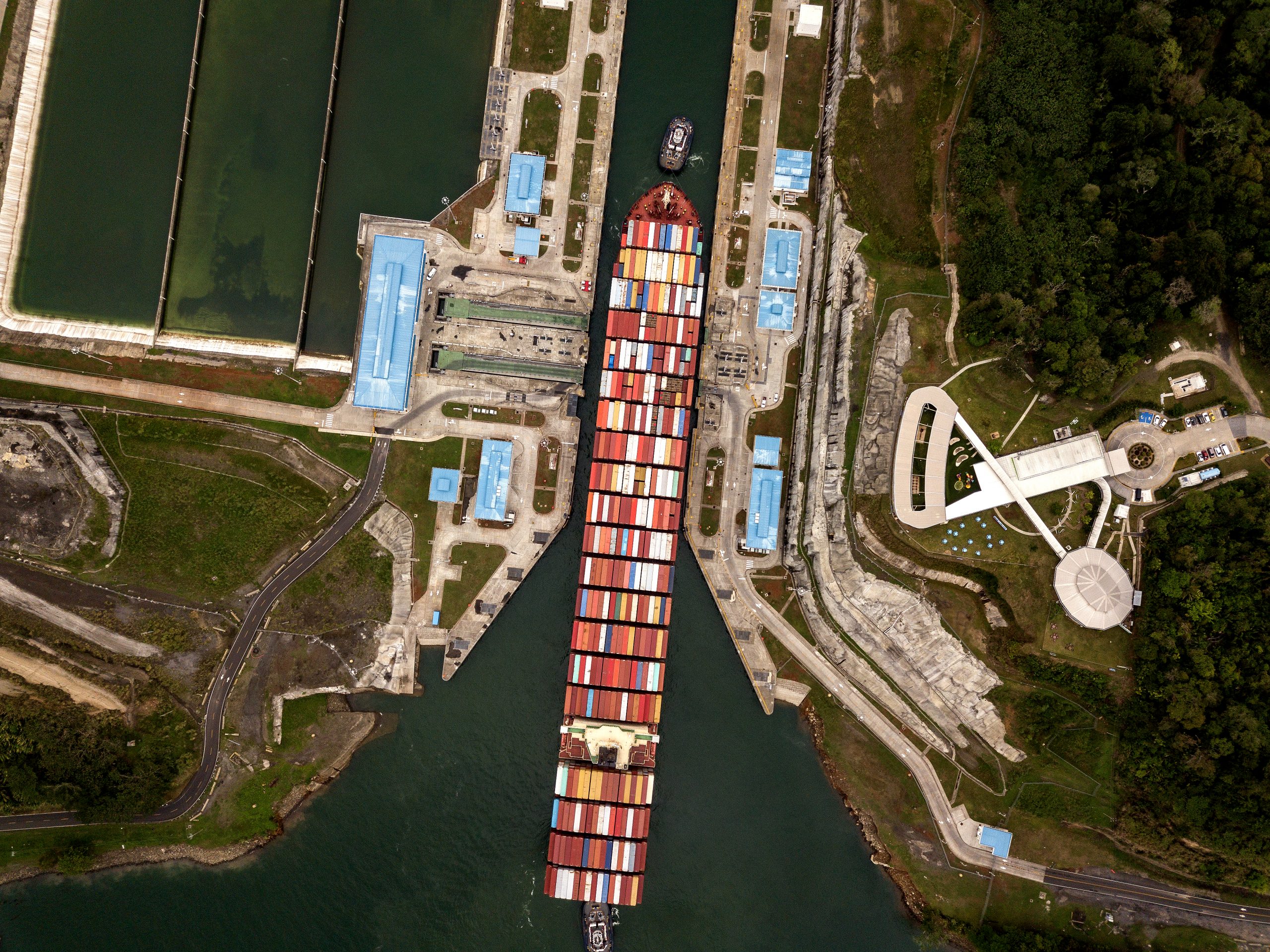
The ACP reported that Fiscal Year 2026 (October 2025–September 2026) concluded with total revenues of $6.6 billion, a 16.6% increase over the previous cycle. Vessel transits grew by 4.1%, and total tonnage reached all-time highs, driven by global shipping lines rerouting away from the Strait of Hormuz due to geopolitical conflicts. This financial success underscores the canal's resilience and its critical role in global trade despite environmental challenges.
Lake Levels Recover Toward Operational Maximums
Recent data indicates that the Gatun and Alhajuela lakes are recovering their levels and approaching their operational maximums as of late October 2026. This recovery has allowed the ACP to maintain 33 daily transit slots, up from the restricted 32 slots imposed in September. Authorities remain vigilant, however, as the dry season could begin earlier than usual, potentially threatening these gains.

Rio Indio Reservoir Project Faces Continued Opposition
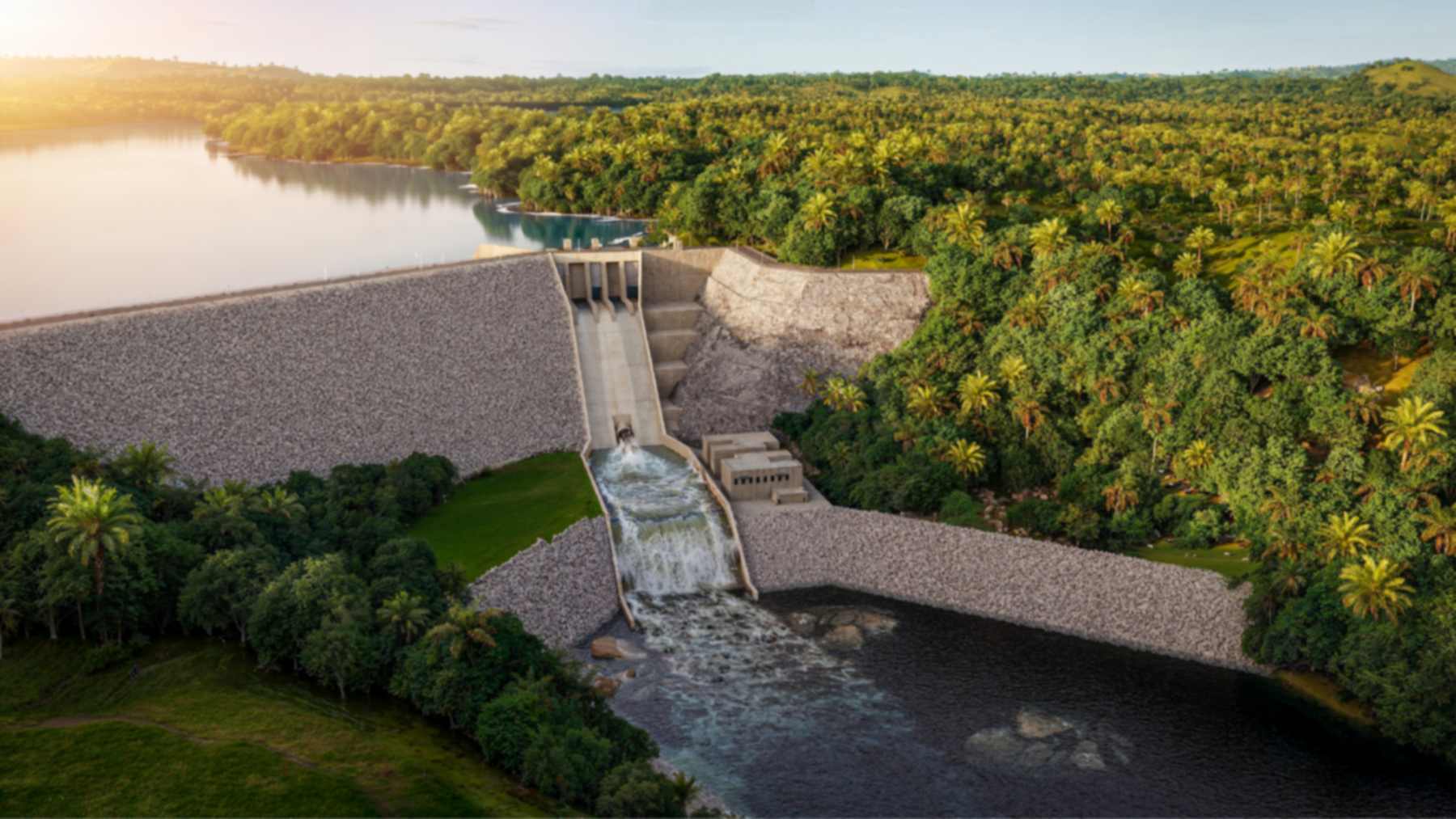
The proposed $1.5 billion Rio Indio reservoir, intended to secure water for the next 50 years, continues to generate significant controversy. The project is expected to displace approximately 550 families and flood dozens of communities, including cemeteries. Local farmers and residents argue that the project represents a forced eviction under neoliberal policies, with protests and legal challenges ongoing. The ACP seeks a program manager for the project, aiming to balance water security with social responsibility.
Local view
Local media outlets such as La Estrella de Panamá and TVN have highlighted the return of last-minute slots as a relief for the shipping industry, emphasizing the direct link between rainfall improvements and operational flexibility. Meanwhile, CNN en Español and Telemetro have focused on the human cost of the Rio Indio project, detailing how families are being forced to relocate and even exhume ancestors from flooded cemeteries. Community leaders in the Rio Indio basin have expressed strong rejection of the reservoir plans, citing inadequate consultation and compensation.
Context & numbers
- FY2026 Revenue: $6.6 billion (16.6% increase YoY).
- FY2026 Transits: 13,951 transits (4.1% increase YoY).
- Daily Slots: 33 daily transits (10 Neopanamax, 23 Panamax).
- Rio Indio Impact: ~550 families displaced; 8 cemeteries affected.
- Reservoir Cost: Estimated at $1.5–1.6 billion.
On the radar
- Dry Season Watch: Authorities are monitoring the onset of the dry season, which could start earlier than usual, potentially triggering new transit restrictions before December.
- Hormuz Crisis Impact: Continued conflict in the Strait of Hormuz is expected to keep demand for Panama Canal transits high, maintaining pressure on slot availability and auction premiums.
- Rio Indio Consultations: Upcoming community meetings and legal proceedings regarding the reservoir project will be critical in determining the timeline for water security infrastructure.
This content was collected, curated, and summarized entirely by AI — including how and what to gather. It may contain inaccuracies. Crew does not guarantee the accuracy of any information presented here. Always verify facts on your own before acting on them. Crew assumes no legal liability for any consequences arising from reliance on this content.
Powered by
