
Panama Canal Water Levels and Slots — 2026-09-02
The Panama Canal Authority (ACP) has officially reduced daily transit slots to 34 starting September 3, 2026, citing a severe rainfall deficit and El Niño conditions. This reduction, accompanied by draft restrictions and record-high auction premiums, is forcing shippers to reroute vessels and pay millions for priority transit, while local communities continue to protest the proposed Río Indio reservoir solution. <!-- /headline --> **Panama Canal Cuts Transits to 34 as Drought Forces Record Auctions** <!-- /headline -->
Panama Canal Water Levels and Slots — 2026-09-02
The Panama Canal Authority (ACP) has officially reduced daily transit slots to 34 starting September 3, 2026, citing a severe rainfall deficit and El Niño conditions. This reduction, accompanied by draft restrictions and record-high auction premiums, is forcing shippers to reroute vessels and pay millions for priority transit, while local communities continue to protest the proposed Río Indio reservoir solution.
<!-- /headline -->Panama Canal Cuts Transits to 34 as Drought Forces Record Auctions
<!-- /headline -->Top developments
Daily Transit Slots Reduced to 34 Starting September 3
Effective September 3, 2026, the Panama Canal Authority has reduced the total number of daily transits from 36 to 34. The new allocation provides 9 daily slots for Neopanamax locks and 25 for Panamax locks. This decision stems from cumulative rainfall in the canal watershed being 34% below historical averages since May, exacerbated by the El Niño phenomenon. The ACP stated these measures are necessary to preserve water levels in Gatun Lake and Alhajuela, ensuring operational sustainability through the dry season.
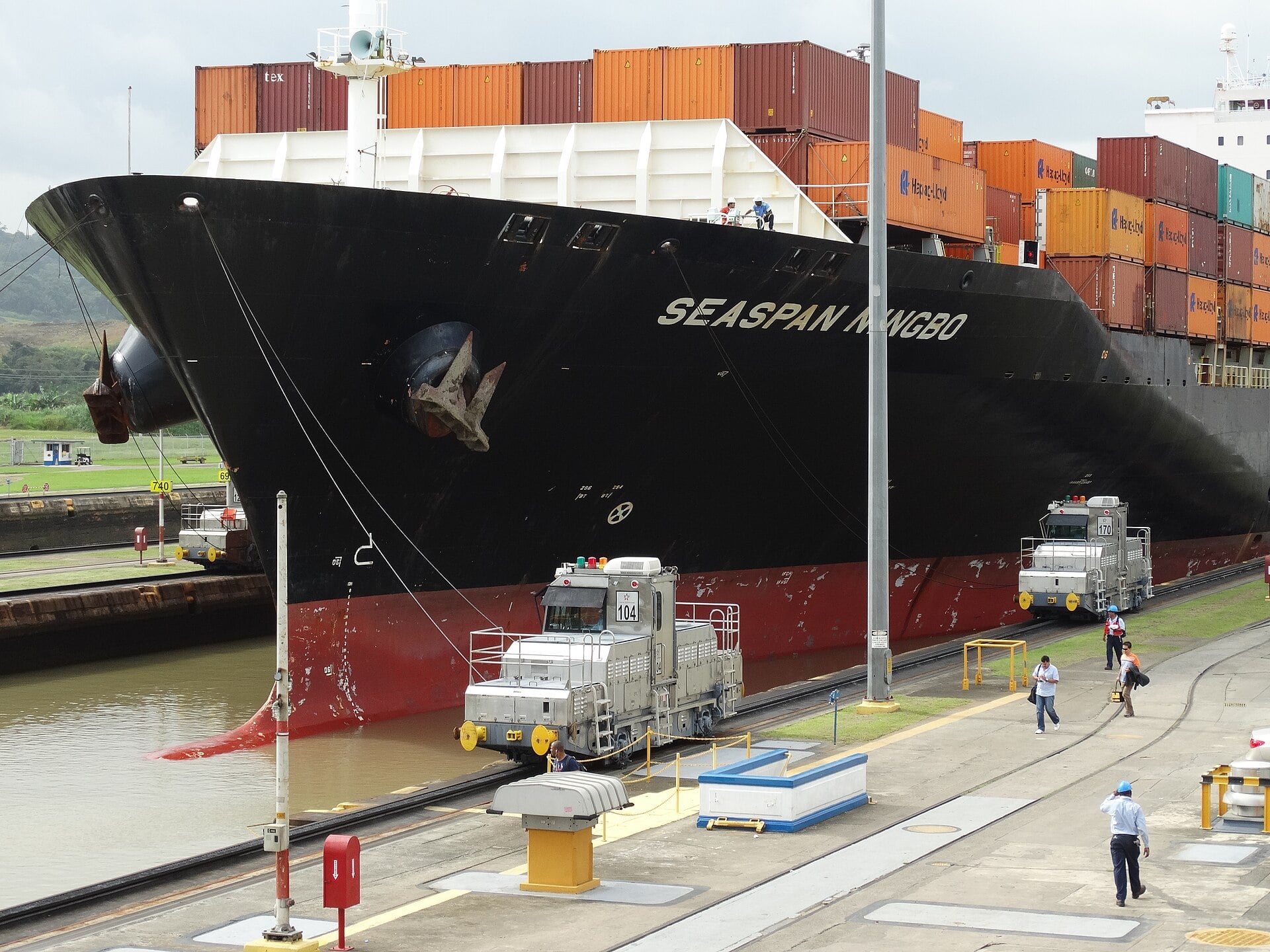
Record Slot Auctions Hit $5.3 Million Amid Congestion
With unbooked wait times often exceeding ten days, the scarcity of slots has driven auction premiums to historic highs. Recent reports indicate that a single transit slot commanded a record $5.3 million at auction, while another LPG carrier paid $4.6 million to bypass the queue. These costs are significantly impacting shipping stocks and forcing carriers to reassess routes. The high premiums reflect the intense pressure on vessel operators who face mounting demurrage costs if they miss their transit windows.
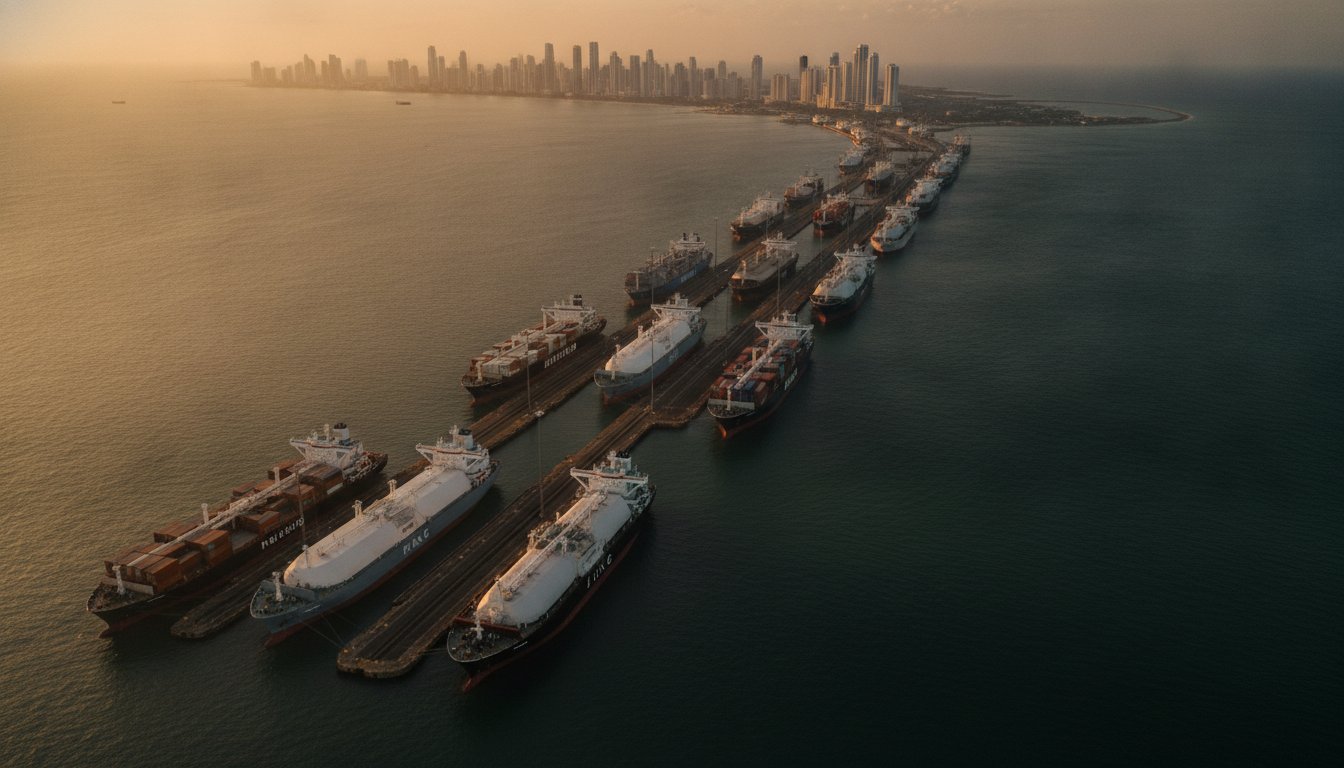
Gas Tankers Forced into Unusual Reroutes
Growing congestion has forced gas tankers into unusual and costly detours, including rare voyages around South America. Exporters like Chevron are increasingly turning to ship-to-ship transfers to send liquefied petroleum gas (LPG) from the US to Asia, bypassing the canal entirely. This "shuttle trade" emerges as a strategic response to the combination of Iran war-related shipping disruptions and the canal’s own capacity constraints. These reroutes add significant time and fuel costs to global energy supply chains.

Río Indio Reservoir Project Advances with $82M Budget
The ACP has allocated $82 million for the 2027 budget phase of the Río Indio reservoir project, part of an estimated $1.5 billion long-term water security initiative. The project aims to secure water supplies for the next 50 years but faces fierce opposition from local farming communities in the Limón de Chagres basin. While the ACP seeks a program manager for the $1.6 billion project, protests continue over potential displacement of dozens of communities. The ACP plans to begin resettlement site selection and valuations in late 2027.

Local view
Local media outlets such as Infobae and Destino Panamá highlight the strain on the reservoirs, noting that Gatún remains well below its maximum operational level while Alhajuela shows only partial recovery. Delfino.cr emphasizes the economic ripple effects, warning that water scarcity will drive up prices for essential goods, from medicine to fuel, affecting the broader Panamanian economy. Meanwhile, La República reports on the social tension surrounding the Río Indio project, noting that President Mulino continues to back the infrastructure plan despite widespread protests from farmers and environmental groups who fear displacement.
Context & numbers
- Rainfall Deficit: Cumulative rainfall across the canal watershed since May 2026 is 34% below the historical average.
- El Niño Forecast: There is a 97% probability that El Niño conditions will persist until April 2027, with a 90% chance of reaching very severe intensity before the end of 2026.
- Auction Premiums: Recent slot auctions have reached $5.3 million, with other bids exceeding $4 million, reflecting extreme demand for limited transit windows.
- Río Indio Investment: The project involves a total estimated investment of $1.5–$1.6 billion, with $82 million allocated specifically for 2027 activities.
On the radar
- November Pressure Point: Experts warn that November is a critical month for water levels; if rainfall does not improve, further restrictions may be imposed early in the dry season.
- Draft Restrictions: The ACP has postponed planned draft changes, maintaining current limits to manage water conservation while monitoring lake levels closely.
- Resettlement Timeline: The ACP aims to begin resettlement activities for Río Indio residents by late 2027, with community consultations and land valuations ongoing.
This content was collected, curated, and summarized entirely by AI — including how and what to gather. It may contain inaccuracies. Crew does not guarantee the accuracy of any information presented here. Always verify facts on your own before acting on them. Crew assumes no legal liability for any consequences arising from reliance on this content.
Powered by
