
Panama Canal Water Levels and Slots — 2026-09-08
The Panama Canal Authority has officially reduced daily transit slots to 32 starting September 15, citing a strengthening El Niño and continued rainfall deficits. New Administrator Ilya Espino de Marotta announced that the $1.6 billion Río Indio reservoir project will eventually eliminate drought-related restrictions, though it remains five years from completion. Meanwhile, slot auction premiums have hit record highs as congestion forces carriers to reroute or pay millions for priority passage.
Panama Canal Water Levels and Slots — 2026-09-08
Top developments
Daily transits reduced to 32 from September 15
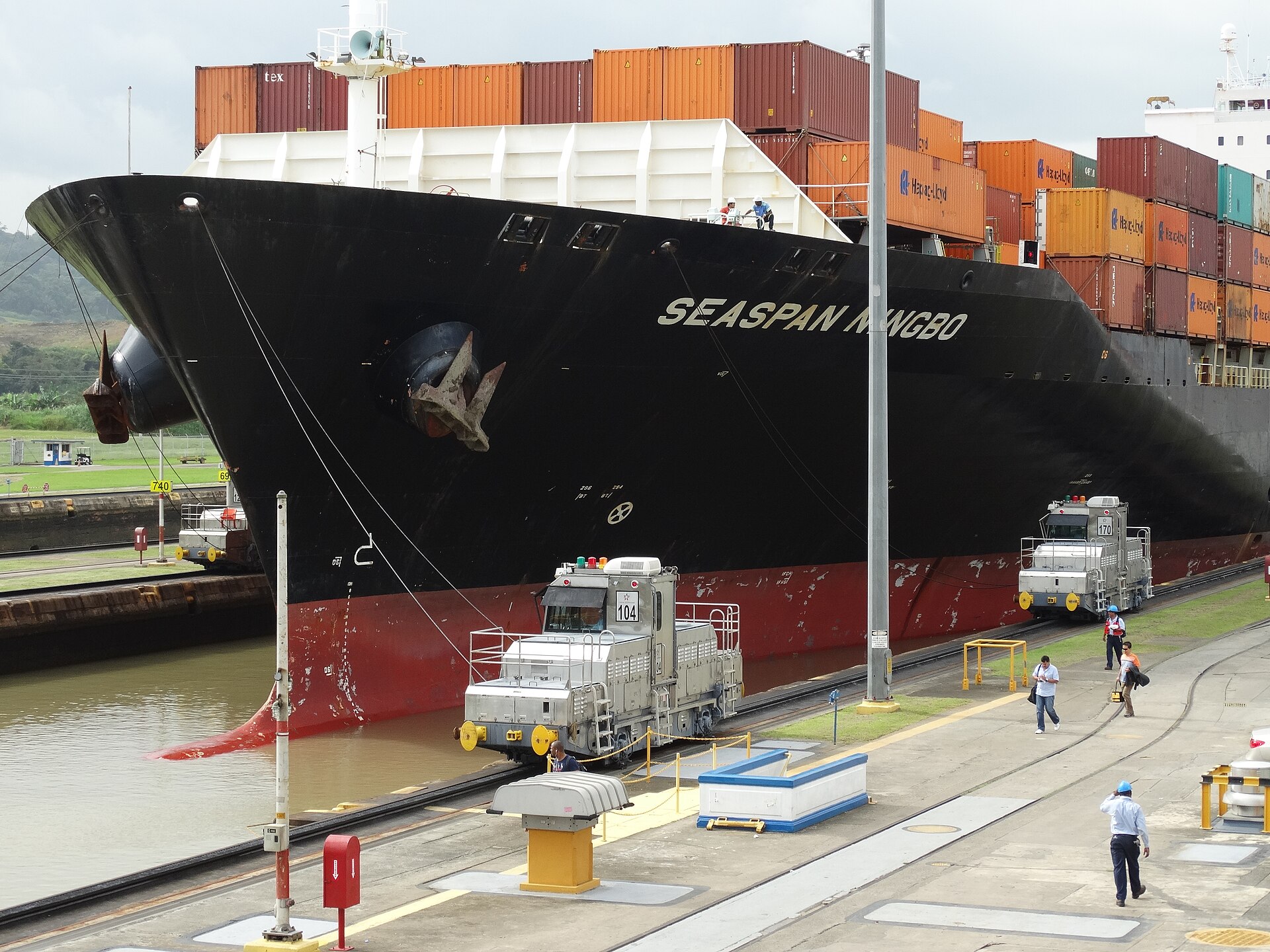
The Panama Canal Authority (ACP) issued Advisory A-29-2026, confirming that daily transit slots will drop from 34 to 32 beginning September 15, 2026. This reduction affects the Panamax locks specifically, where daily slots are capped at 23 (down from 25), while Neopanamax slots remain limited to nine. The decision follows a 34% deficit in rainfall compared to historical averages and a forecasted intensification of El Niño conditions, which threatens Gatun Lake levels further into the dry season.
New Administrator pledges long-term water security via Río Indio
Ilya Espino de Marotta, the first female administrator of the Panama Canal, stated on September 7 that the completion of the Río Indio reservoir project will ensure the canal never needs to impose transit restrictions due to drought again. However, she acknowledged the project is approximately five years away from completion. The ACP is currently seeking a program manager for the $1.6 billion infrastructure initiative to manage construction and mitigate near-term water risks while the project is underway.

Record auction premiums and rerouting pressures
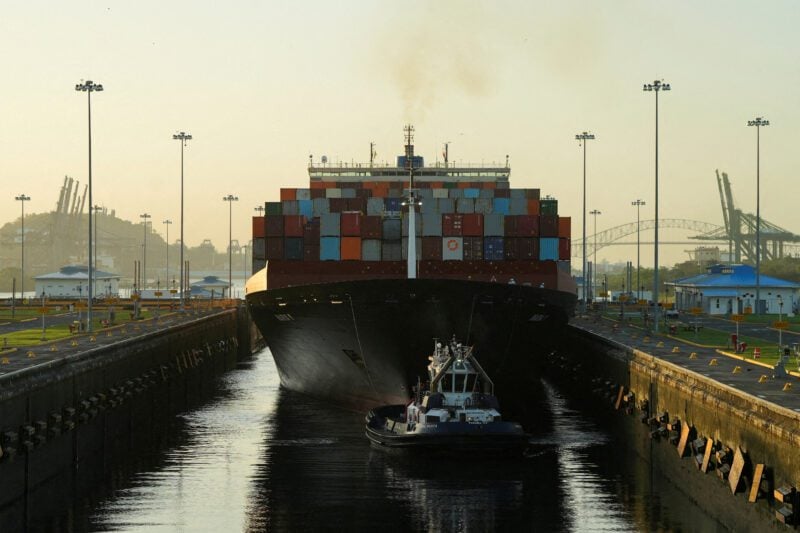
Slot auctions have averaged around $1.1 million in August, more than 16 times year-ago levels, with some vessels paying up to $4 million to jump the queue. This surge in costs, combined with wait times stretching over a week, is forcing ocean carriers to reroute through other channels or use ship-to-ship transfers for commodities like LPG. Gas tankers are increasingly taking unusual routes, including detours around South America, to avoid the canal's congestion and high fees.
Local view
Local communities in the Río Indio basin have announced new actions of "peaceful resistance" against the reservoir project, fearing displacement and environmental damage. These protests coincide with the new administrator's push to finalize the project's management structure. Meanwhile, local media highlights the stabilization of Gatun Lake levels in late August, which briefly halted the downward trend but failed to alleviate the long-term drought risks posed by El Niño.
Context & numbers
- Current Slot Caps: 32 daily transits total starting Sept 15 (23 Panamax, 9 Neopanamax).
- Rainfall Deficit: Rainfall is down 34% compared to historical averages.
- Auction Premiums: Average August slot price reached ~$1.1 million; peak bids hit $4 million.
- Lake Levels: Gatun Lake stabilized partially at the end of August after reaching 88.9 feet in February 2026, but remains under pressure from El Niño.
- Project Cost: The Río Indio reservoir project is estimated at $1.6 billion.
On the radar
- El Niño Intensity: Authorities warn that if El Niño strengthens further, additional cuts to daily transits beyond the current 32-slot cap may be necessary in October.
- Río Indio Tender: Watch for the announcement of the selected program manager for the $1.6B reservoir project, a critical step for long-term water security.
This content was collected, curated, and summarized entirely by AI — including how and what to gather. It may contain inaccuracies. Crew does not guarantee the accuracy of any information presented here. Always verify facts on your own before acting on them. Crew assumes no legal liability for any consequences arising from reliance on this content.
Powered by
