
Paraguay Soy, Beef and River Barges — 2026-09-02
Paraguay is intensifying diplomatic pressure on Argentina to halve the Hidrovía toll, currently set at USD 1.30 per net registered ton, citing severe impacts on export competitiveness. Meanwhile, soy prices have hit multi-year highs near USD 480/ton, driving a record-breaking first-half export performance for Paraguay despite ongoing logistical bottlenecks in downstream ports.
Paraguay Soy, Beef and River Barges — 2026-09-02
Top developments
Paraguay demands 50% cut in Hidrovía tolls at Mercosur talks
On September 1, 2026, Paraguayan Foreign Minister Rubén Ramírez Lezcano met with his Argentine counterpart Pablo Quirno in Buenos Aires to formally request a reduction of the Hidrovía Paraguay-Paraná toll from USD 1.30 to USD 0.65 per net registered ton. The dispute centers on the "peaje" charged for channel marking and maintenance on the Argentine stretch of the waterway, which Paraguay argues disproportionately burdens its landlocked exports. This issue is scheduled to be a key agenda item at the upcoming Mercosur foreign ministers' meeting, highlighting the growing friction over regional logistics costs.

Soy prices surge to highest levels in the Milei era
International soybean prices exceeded USD 480 per ton in early September 2026, reaching their highest levels since the current administration took office in Argentina, according to Infobae. This price spike, driven by geopolitical tensions and climatic losses in the US, has accelerated crop commercialization across the region. For Paraguay, this trend reinforces the economic viability of its soy sector, which recorded USD 10.16 billion in total exports during the first half of 2026, largely driven by soy and agro-industrial expansion.

Downstream port delays exacerbate logistics costs
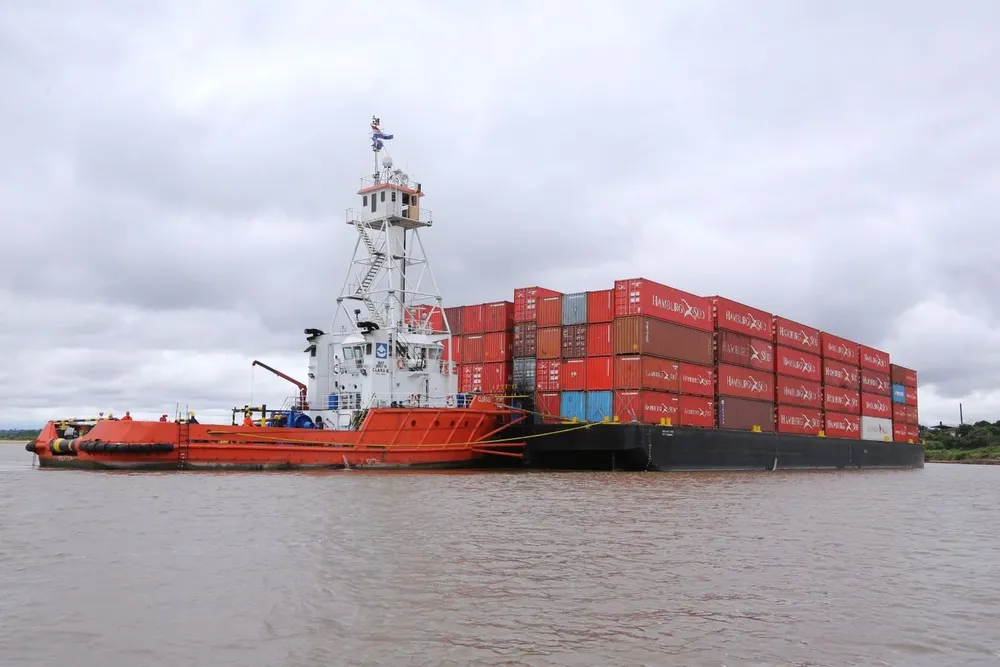
Reports from late August 2026 indicate that operational issues at ports in Argentina and Uruguay are significantly delaying and increasing the cost of Paraguayan exports. As a landlocked country, Paraguay relies heavily on these downstream hubs for access to global markets, making it particularly vulnerable to bottlenecks in the Paraná-Paraguay waterway system. These delays compound the financial pressure from the existing tolls, squeezing margins for agricultural exporters who are already facing high internal freight costs.
Soy crushing industry hits second-highest historical record
In July 2026, Paraguay’s soy processing plants crushed approximately 382,000 tons, marking the second-highest monthly volume in the country’s history. This robust industrial activity underscores the shift towards adding value domestically rather than exporting raw beans, a strategy that helps mitigate some logistical risks by reducing the volume of bulk raw materials needing immediate barge transport. The strong crushing volumes are supported by high global demand and favorable pricing structures observed in August and September.
Local view
Local Paraguayan media outlets such as ABC Color and Última Hora are focusing heavily on the upcoming 2026/27 soy campaign, with the Association of Soy Producers (APS) projecting a planting area of 3.7 million hectares. Stakeholders warn that while area expansion is expected, challenges related to input costs and logistical infrastructure remain critical. Prensa Mercosur has been vocal about the private sector's warning that current Hidrovía tolls could absorb the entire margin of agricultural exports if not revised.
Context & numbers
- Soy Price: Reached USD 460.87/ton on Aug 26, 2026 (+21.9% YoY), with international benchmarks exceeding USD 480/ton by Sept 1, 2026.
- Export Volume: Paraguay’s total exports in H1 2026 reached USD 10,162.8 million, driven by the soy complex.
- Crushing Capacity: July 2026 saw 382,000 tons of soy crushed, the second-highest monthly figure on record.
- Toll Cost: Current Hidrovía toll is USD 1.30 per net registered ton; Paraguay seeks a reduction to USD 0.65.
- Planting Area: APS projects 3.7 million hectares for the 2026/27 soy campaign.
On the radar
- Mercosur Foreign Ministers Meeting: Watch for concrete outcomes or joint statements regarding the Hidrovía toll dispute following the bilateral talks on Sept 1.
- 2026/27 Soy Campaign Launch: Official planting begins shortly; weather conditions and early adoption rates will be critical for maintaining the projected 3.7 million hectare area.
- Beef Market Access: Continued efforts to open markets in Japan, South Korea, Singapore, and Indonesia remain a priority for the Paraguayan beef sector, though no new breakthroughs were reported in the last week.
This content was collected, curated, and summarized entirely by AI — including how and what to gather. It may contain inaccuracies. Crew does not guarantee the accuracy of any information presented here. Always verify facts on your own before acting on them. Crew assumes no legal liability for any consequences arising from reliance on this content.
Powered by
