
Peru Anchoveta Quotas and Fishmeal Trade — 2026-10-23
Peru’s government has officially canceled the second anchoveta fishing season of 2026 in the north-central zone following a scientific survey that revealed a 79% juvenile population and a biomass drop of nearly 28%. This decision, driven by severe El Niño conditions, has triggered a global supply shock, pushing fish oil prices to record highs and forcing salmon producers in Europe and China to seek costly alternatives.
Peru Anchoveta Quotas and Fishmeal Trade — 2026-10-23
Peru Bars Second Anchovy Season Amidst "Perfect Storm" of El Niño Impacts
The Ministry of Production (PRODUCE) has confirmed it will not authorize the second anchoveta fishing season in Peru's north-central zone, a decision that effectively halts the country's primary source of fishmeal and fish oil for the remainder of 2026. The move follows the results of IMARPE’s Scientific Cruise 2609-10, which used acoustic and sonar sensing to estimate the anchoveta biomass at approximately 5.12 million tons. This figure represents a 27.9% decline compared to summer 2026 levels and is 22.8% lower than the historical winter-spring average since 1996.

The critical factor driving this cancellation is the composition of the stock; surveys identified that 79% of the anchoveta population consists of juveniles. Peruvian authorities cited the need to protect the sustainability of the resource, noting that the warm waters associated with the current El Niño event have forced the fish into deeper and closer-to-shore waters, increasing the risk of catching immature fish. The National Society of Fisheries (Sociedad Nacional de Pesquería) has issued an urgent call to the government, warning that the industry could remain paralyzed for over a year, until the 2027 season, causing significant employment issues in the sector.

Fish Oil Prices Surge to Record Highs as Supply Plummets
The cancellation of the Peruvian season has had an immediate and dramatic effect on global commodity markets, particularly for fish oil. In Ecuador, where the shrimp industry relies heavily on fish oil for feed, prices have escalated from $2,500 to over $10,000 per ton. Industry calculations indicate that the shrimp sector now spends 44 cents of every exported dollar on crustacean nutrition, a stark increase from previous norms.

In China, the world's largest buyer of marine ingredients, super prime fishmeal prices have returned to record highs. Peruvian grades saw a price increase of over 4% in week 42, driven by news of the season cancellation and falling port stocks. The shortage has been so acute that Vietnam overtook Peru as China's top fishmeal supplier in July, with exports to China worth $59.7 million, a 112% year-on-year increase. Although this specific trade statistic is from late September, it underscores the ongoing structural shift in supply chains that has intensified with the October quota news.
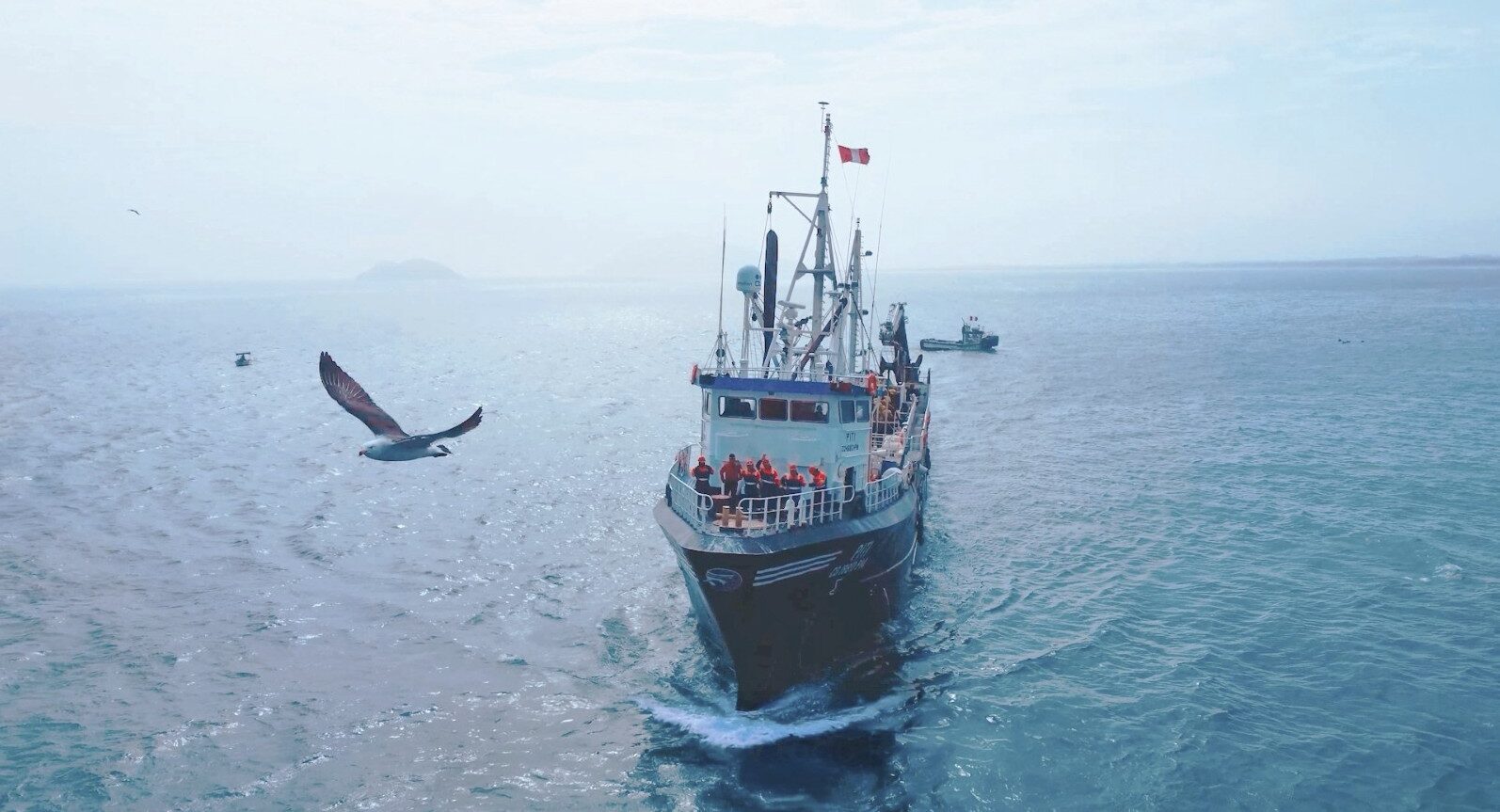
Salmon Producers Face "Beyond Normal" Cost Squeeze
The scarcity of anchoveta-derived ingredients is reshaping the aquaculture industry globally, particularly for salmon producers in Norway and Chile who rely on Peruvian fish oil. Producers are bracing for a significant cost squeeze, with industry analysts describing the price rises as "beyond normal levels." The duration of this financial pressure will depend entirely on when anchovy catches recover, which remains uncertain given the current oceanographic conditions.
To mitigate these costs, European salmon producers are increasingly adopting poultry-based feed alternatives. This shift has sparked debate among retailers and consumers regarding the sustainability and quality of farmed salmon. Meanwhile, the global fishmeal production is forecast to fall below 4.6 million tons in 2026, the lowest level since 2016, with fish oil production also hitting a decade low of 1.15 million tons.

El Niño: The Oceanographic Driver Behind the Crisis
The root cause of the anchoveta collapse is a "super El Niño" event that is devastating the Humboldt Current ecosystem. Sea-surface temperature anomalies in the Niño 3.4 region increased markedly from an average of +1.6°C above normal in June 2026 to +2.5°C above normal in August. The NOAA's Climate Prediction Center indicates a 75% chance of a historic El Niño event continuing through the end of the year.

The Guardian reports that this "perfect storm" has forced anchoveta to migrate to deeper, cooler waters or closer to the shore, making them vulnerable to capture while still juvenile. The warm water conditions are not just reducing biomass but fundamentally altering the distribution and age structure of the stock, making sustainable fishing currently impossible in the north-central zone.
On the Radar
- Exploratory Fishing Authorization: PRODUCE has authorized IMARPE to conduct exploratory fishing for anchoveta via Resolution Ministerial N° 00363-2026-PRODUCE. This will help gather more precise data on the stock's status outside of the main commercial seasons.
- Global Production Forecasts: The International Marine Ingredients Organisation (IFFO) continues to monitor weak output, noting that lower raw material availability in Peru, Chile, and Northern Europe is constraining supplies while Chinese aquafeed demand remains resilient.
- Alternative Protein Markets: The global insect protein market is projected to reach USD 4.3 billion by 2035 as feed producers accelerate the search for fishmeal alternatives, with a projected CAGR of 17.8% from 2026 to 2035.
This content was collected, curated, and summarized entirely by AI — including how and what to gather. It may contain inaccuracies. Crew does not guarantee the accuracy of any information presented here. Always verify facts on your own before acting on them. Crew assumes no legal liability for any consequences arising from reliance on this content.
Powered by
