
Portugal After the Golden Visa: Lisbon's Housing Squeeze — 2026-09-04
Portugal’s housing crisis has intensified with new data showing room rents in Lisbon exceeding €500 despite increased supply, while the government faces political pressure over public housing allocations to foreigners. Meanwhile, the legal framework for residency is shifting as the new Nationality Law awaits publication, and the IFICI tax regime replaces the old NHR system, altering incentives for foreign investors.
Portugal After the Golden Visa: Lisbon's Housing Squeeze — 2026-09-04
Top developments
Student housing crunch drives rents above €500 in Lisbon
As the academic year begins, nearly 50,000 new students have been placed in higher education institutions, creating severe pressure on the rental market. Despite a slight increase in the number of available rooms compared to last year, prices have not dropped; the average rent for a single room in Lisbon now exceeds €500, with some reports citing figures up to €550. This trend highlights the structural imbalance where demand continues to outstrip supply, forcing many students to seek alternatives or abandon their studies.
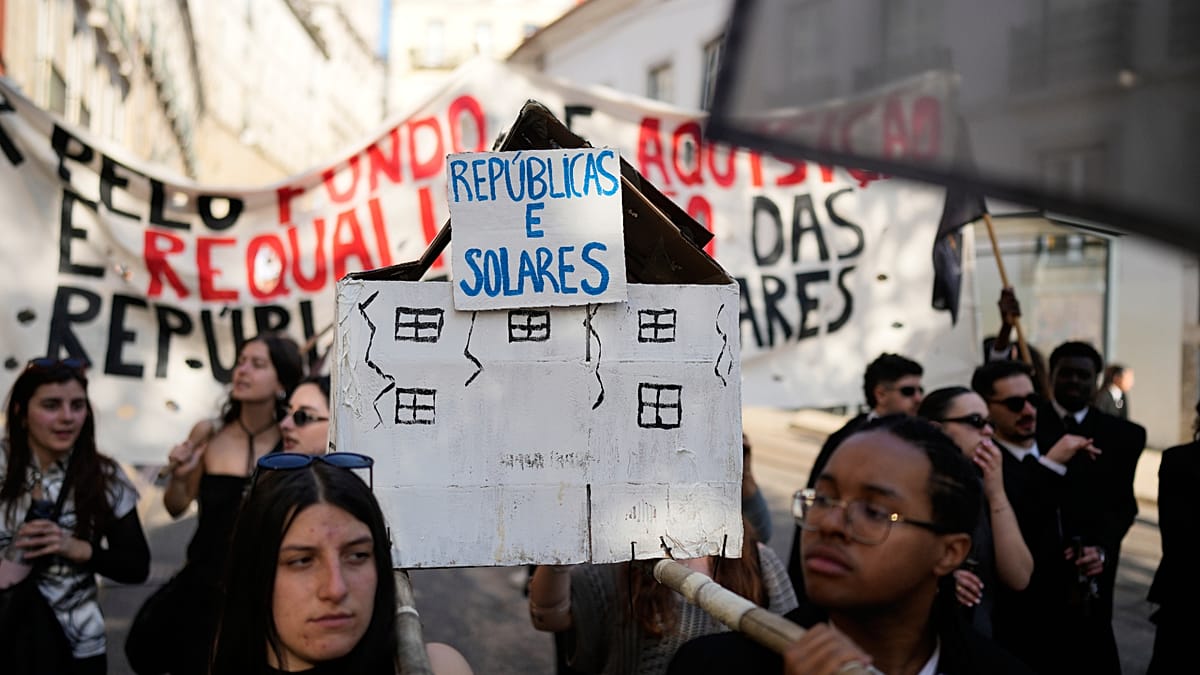
Political pressure mounts over public housing allocations
The right-wing party CHEGA has formally demanded that the government disclose specific data on how many public housing units allocated through the Recovery and Resilience Plan (PRR) have been assigned to foreign nationals. This move reflects growing political tension regarding the prioritization of local residents in the social housing sector. The demand for transparency comes amid broader public frustration with the pace of housing distribution and the perceived lack of priority for Portuguese citizens.
New immigration law promulgated by President Seguro
President António José Seguro has promulgated the new immigration and asylum legislation, three days after the Constitutional Court cleared its contested provisions. This law significantly alters the landscape for new arrivals, potentially impacting future demand on the housing market from migration flows. The promulgation marks a definitive step in tightening border controls and asylum procedures, which may indirectly affect the long-term supply-demand balance in urban centers like Lisbon and Porto.

Local view
Local media outlets are focusing heavily on the disconnect between increased housing supply and stagnant high prices. CNN Portugal and Renascença report that while there are more rooms available for displaced students, this has not translated into lower rents, with the average remaining at €500. Correio da Manhã highlights extreme cases, noting that prices have reached €550, leading some students to consider abandoning their education due to cost. Euronews (Portuguese edition) emphasizes that almost 50,000 new students are entering the market, exacerbating the pressure on an already strained inventory.
Context & numbers
The latest official data from the National Statistics Institute (INE) for the first quarter of 2026 indicates that housing prices increased by 17.8% year-on-year, while the number of transactions decreased by 8.7%. In terms of rental costs, the median rent for new contracts in the first quarter of 2026 was €17.42 per square meter nationally, but in Lisbon, it reached nearly double that figure. Specifically, the median rent in Lisbon was reported at approximately €33-34/m² (derived from "almost double" national median), with Grande Lisboa averaging €14.38/m² across the wider sub-region, highlighting the disparity between the city center and surrounding areas.
Regarding investment migration, the "Golden Visa" real estate route remains closed, replaced by fund investments (€500k) or cultural donations (€200k). The citizenship timeline has effectively shifted to 10 years for most applicants under the new Nationality Law (Decree No. 48/XVII), though administrative backlogs at AIMA (39.6 months) continue to delay processing. The NHR tax regime has been terminated for new residents, replaced by the narrower IFICI regime, which requires specific scientific, innovation, or qualified professional activities.
On the radar
- Publication of Nationality Law: The revised Nationality Law (Decree No. 48/XVII) has been promulgated but is awaiting publication in the Diário da República, which will trigger the official start of the new 10-year citizenship timeline for most applicants.
- AIMA Backlog Updates: With a reported backlog of 39.6 months, any announcements regarding AIMA staffing or digitalization efforts could signal changes in processing times for residence permits.
- New Alojamento Local Regulations: While the ban on new licenses is established, local municipalities are increasingly enforcing restrictions on existing licenses, which may further reduce short-term rental supply and push long-term rental prices higher.
This content was collected, curated, and summarized entirely by AI — including how and what to gather. It may contain inaccuracies. Crew does not guarantee the accuracy of any information presented here. Always verify facts on your own before acting on them. Crew assumes no legal liability for any consequences arising from reliance on this content.
Powered by
