
Red Sea and Suez Shipping Risk — 2026-09-04
The Suez Canal is witnessing a gradual recovery in transit volumes as major carriers cautiously resume trans-Suez operations, driven by easing tensions in the Bab el-Mandeb strait. However, war-risk insurance premiums remain elevated, and recent Houthi attacks on Saudi vessels underscore that security risks persist, keeping a significant portion of global container traffic routed via the Cape of Good Hope.
Red Sea and Suez Shipping Risk — 2026-09-04
Top developments
Gradual Recovery in Suez Transits and Revenue
Recent data indicates a positive trend in Suez Canal activity, with the Suez Canal Authority (SCA) reporting gradual recovery in container ship transits. This rebound follows a period of severe disruption, with major carriers beginning to return to the route as security conditions stabilize slightly. The recovery is reflected in financial metrics; Egyptian tax receipts linked to the canal reached EGP 55.6 billion in the first half of FY 2025/2026, signaling a return to positive growth for this critical revenue stream.

Houthi Attacks Persist Despite Ceasefire Dynamics
Despite broader geopolitical de-escalation efforts, the Houthis have continued to target shipping in the Red Sea. On August 24, 2026, Houthi rebels reported an attack on a Saudi oil tanker, with Saudi shipping company Bahri confirming its vessel was struck, though all crew members were safe. This incident highlights that the Bab el-Mandeb strait remains a high-risk zone, preventing a full return to pre-crisis normalcy for all carriers.

War-Risk Insurance Claims Surge Beyond $2 Billion
Maritime insurers are reporting significant payouts due to the ongoing conflict. As of early September 2026, war-risk claims have topped $2 billion, marking the second-largest payout for marine underwriters in over a decade. These claims stem from vessel damage during the Iran war and subsequent attacks in the Gulf of Oman and Red Sea. The high cost of insurance continues to influence routing decisions, with many operators preferring the longer but potentially cheaper Cape of Good Hope route to avoid exorbitant premiums.
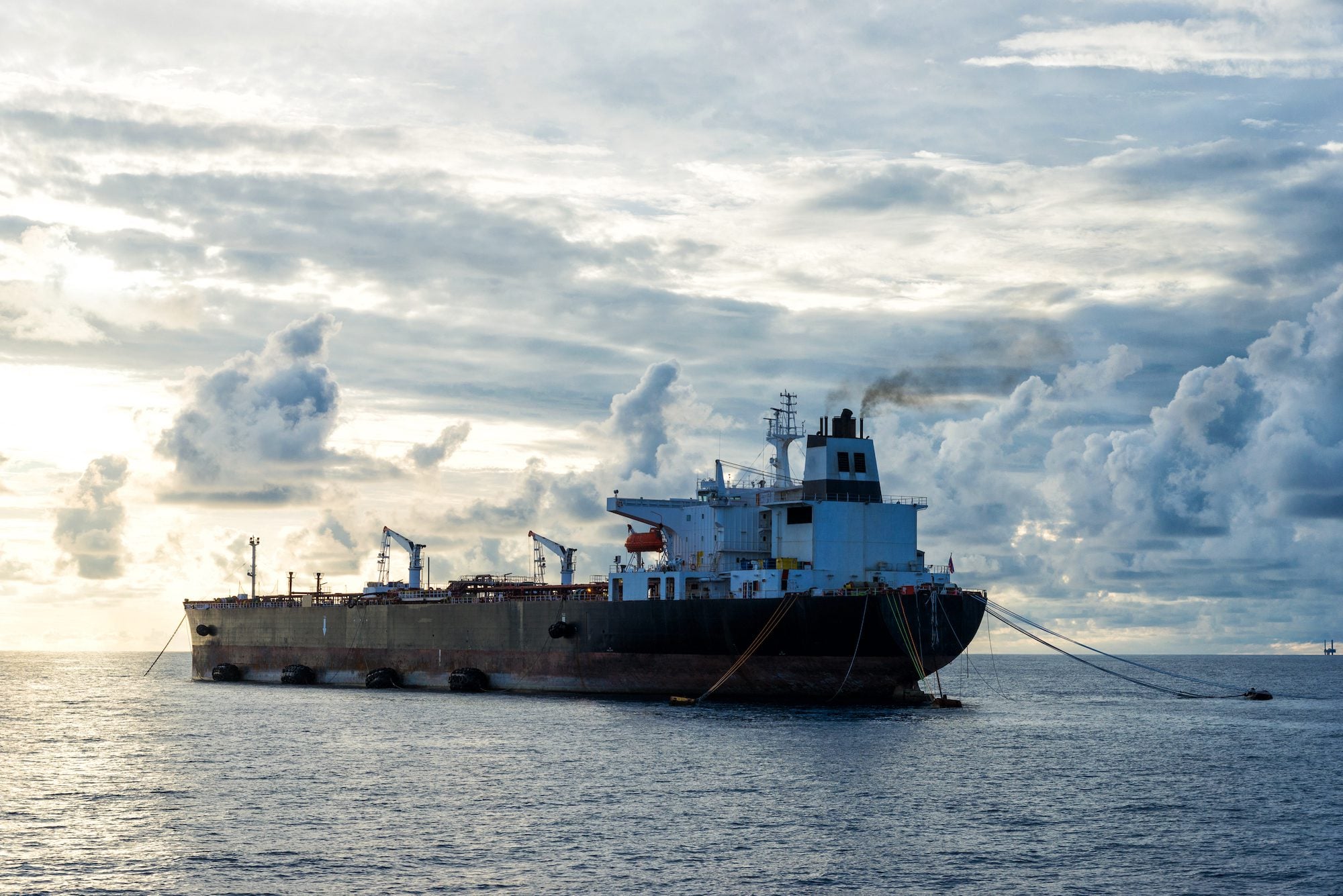
Carrier Routing Shifts: CMA CGM Returns, Others Hesitant
Carrier strategies are diverging. While Maersk and Hapag-Lloyd (Gemini Cooperation) largely maintain their Cape of Good Hope routings for Asia-Europe services, CMA CGM has announced a full turn back to the Red Sea for certain services. This split strategy reflects differing risk appetites and contractual obligations among major lines. The return of some major carriers is expected to reduce transit times by 10-15 days compared to the Cape detour, but the overall capacity share via Suez remains below pre-crisis levels.
Local view
Egyptian media outlets are highlighting the strategic importance of the canal's recovery. Arab Time reported on August 31 that the SCA has announced positive indicators for navigation, noting the return of major shipping lines to using the canal instead of alternative routes. Meanwhile, Masrawy covered administrative adjustments by the SCA regarding stopover rules for cruise ships in the Timsah Lake, part of efforts to streamline operations and attract tourism-linked traffic alongside cargo. Local stakeholders view the gradual increase in transits as a crucial step toward restoring Egypt's foreign currency earnings.
Context & numbers
- Freight Rates: The Drewry World Container Index (WCI) remained stable at $4,465 per 40ft container as of September 3, 2026. Transpacific rates rose, offsetting declines in Asia-Europe routes, indicating mixed demand signals.
- Revenue Trends: The IMF previously projected monthly average revenues for the Suez Canal at approximately $390 million for FY 2025/2026, showing improvement from the crisis lows but still trailing the $10.25 billion annual peak seen in 2023.
- Insurance Costs: Insurance rates through the Strait of Hormuz were noted to be four times the five-year average earlier in the summer, a pressure point that continues to affect war-risk pricing in adjacent high-risk zones like the Red Sea.
On the radar
- Typhoon Season Impact: Recent disruptions from typhoons in East Asia are causing port congestion, which may indirectly affect Red Sea routing decisions if global vessel schedules become too tight to accommodate the extra days of the Cape detour.
- Iran-Oman Agreement: Reports of progress in an Iran-Oman authority-sharing agreement regarding the Strait of Hormuz could ease broader regional tensions, potentially lowering the "war risk" premium applied to Red Sea transits if perceived stability increases.
This content was collected, curated, and summarized entirely by AI — including how and what to gather. It may contain inaccuracies. Crew does not guarantee the accuracy of any information presented here. Always verify facts on your own before acting on them. Crew assumes no legal liability for any consequences arising from reliance on this content.
Powered by
