
Red Sea and Suez Shipping Risk — 2026-09-10
Suez Canal revenues surged 42% year-on-year in July 2026 to $505 million, driven by a strategic shift in global shipping routes away from the Strait of Hormuz. While container carriers are gradually returning to the Red Sea, causing Asia-Europe freight rates to fall, the maritime security environment remains volatile with recent Houthi attacks and insurance withdrawals maintaining high war-risk premiums.
Red Sea and Suez Shipping Risk — 2026-09-10
Top developments
Suez Canal revenue hits highest monthly level since Dec 2023
In July 2026, the Suez Canal Authority reported revenues of $505 million, marking a 42% increase compared to July 2025 and the highest monthly figure since December 2023. This rebound is attributed to a 27% year-on-year rise in transit volumes, with 1,340 vessels passing through the canal during the month. The surge indicates that while the Bab el-Mandeb remains risky, the escalating tensions in the Strait of Hormuz are making the Suez route relatively more attractive for certain cargo flows, directly boosting Egyptian toll revenue.
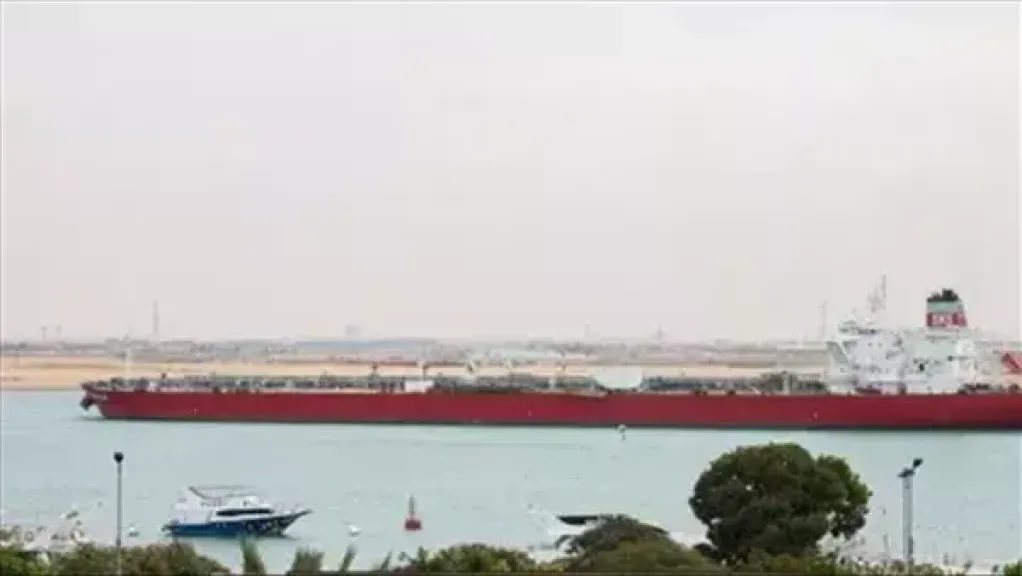
Asia-Europe freight rates drop as carriers test Suez return
Container shipping rates on the Asia-Europe route have begun to decline as major carriers gradually resume services via the Suez Canal, according to a September market update by Sogese. This trend contrasts with rising Transpacific rates, highlighting a divergence in global trade lanes. The return to Suez reduces transit times by approximately 10–15 days compared to the Cape of Good Hope detour, putting downward pressure on spot rates despite ongoing security concerns.
Mediterranean rates converge with North Europe due to Red Sea shifts
Recent data from the Freightos Baltic Index shows Mediterranean ocean rates pulling even with Asia-North Europe rates, a shift potentially driven by vessels utilizing Red Sea transits to serve Southern European ports more efficiently. This development suggests that carriers are optimizing for speed and cost on specific lanes where the risk premium in the Red Sea is outweighed by fuel and time savings, altering traditional rate structures.

Local view
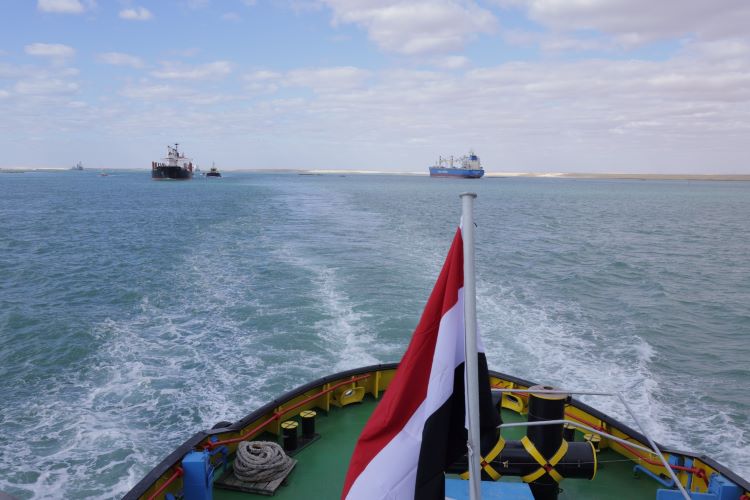
Egyptian media outlets are framing the July revenue jump as a critical economic lifeline amid broader regional instability. Bloom Gate analyzes how new shipping route maps are restoring activity to the canal, noting that attention has shifted from the Bab el-Mandeb disruptions to the broader geopolitical realignments involving Hormuz. Local stakeholders are hopeful that this partial recovery will contribute to generating dollar inflows needed for the national economy, with some projections suggesting annual revenues could reach $6 billion by the end of 2026 if stability holds.
Context & numbers
- July 2026 Revenue: $505 million (+42% YoY).
- Transit Volume (July 2026): 1,340 vessels (+27% YoY).
- War Risk Claims: Global war risk claims have topped $2 billion as shipping attacks spread beyond Hormuz, representing one of the largest payouts for marine underwriters in a decade.
- Insurance Landscape: Two leading marine insurers recently withdrew war-risk cover for the Red Sea/Gulf of Aden area following reinsurer cancellations, keeping premiums elevated for those who can still secure cover.
- Freight Index: The Drewry World Container Index remained stable at $4,465 per FEU in early September, as Transpacific gains offset Asia-Europe declines.
On the radar
- Hormuz Exclusion Zones: Iran has announced plans to impose a wider exclusion zone near the Strait of Hormuz, which could further disrupt Gulf traffic and potentially push more vessels toward the Red Sea if they can secure insurance.
- Carrier Strategy Watch: Monitor announcements from Maersk and Hapag-Lloyd (Gemini Cooperation); while CMA CGM has returned to Suez on select loops, the major alliances are still largely routing via the Cape, meaning any shift by them would significantly impact global capacity and rates.
- Q2 Fiscal Performance: Analysts are watching for the full fiscal Q2 2026 reports from the SCA to confirm if the July surge was an anomaly or the start of a sustained recovery trend.
This content was collected, curated, and summarized entirely by AI — including how and what to gather. It may contain inaccuracies. Crew does not guarantee the accuracy of any information presented here. Always verify facts on your own before acting on them. Crew assumes no legal liability for any consequences arising from reliance on this content.
Powered by
