
Red Sea and Suez Shipping Risk — 2026-09-04
The Suez Canal Authority reported a gradual recovery in container transit volumes as major carriers return to the route, while war-risk insurance claims from the recent Iran conflict surpassed $2 billion. Despite this recovery, Houthi attacks on Saudi vessels continue to threaten stability, and the expiration of the US-Iran Hormuz memorandum has kept security premiums elevated.
Red Sea and Suez Shipping Risk — 2026-09-04
Top developments
Suez Canal traffic shows gradual recovery
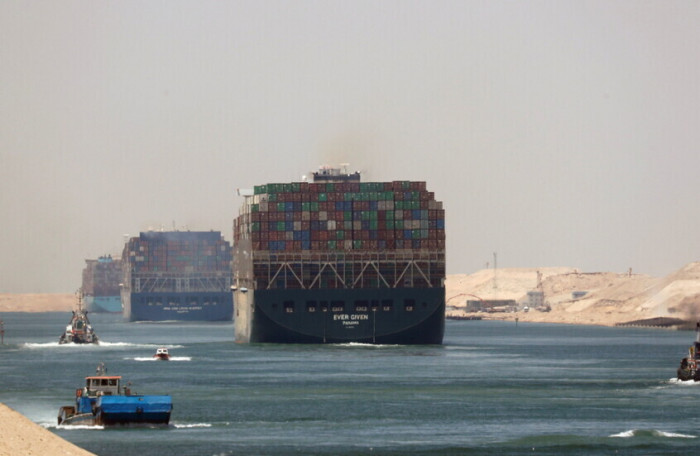
On September 1, 2026, the Suez Canal Authority (SCA) announced positive indicators for maritime navigation, citing a gradual recovery in container ship transits and the return of major shipping lines to the canal instead of rerouting around the Cape of Good Hope. This rebound follows a period of significant disruption where transit counts had dropped sharply due to regional instability. The return of these vessels is critical for Egypt’s economic outlook, as it directly impacts toll revenue and restores confidence in the corridor’s viability despite lingering security concerns.
War-risk insurance claims exceed $2 billion
According to a report published on September 4, 2026, payouts to vessel owners damaged during the recent Iran War have topped $2 billion, marking the second-largest payout for marine underwriters in over a decade. This figure reflects the severe financial impact of shipping attacks that spread beyond the Strait of Hormuz into the Red Sea and Bab el-Mandeb strait. For carriers, these losses have led to sustained high war-risk premiums, which remain a key factor in the decision-making process for whether to transit the Suez Canal or take the longer Cape route.
Houthi attack targets Saudi tanker in Red Sea
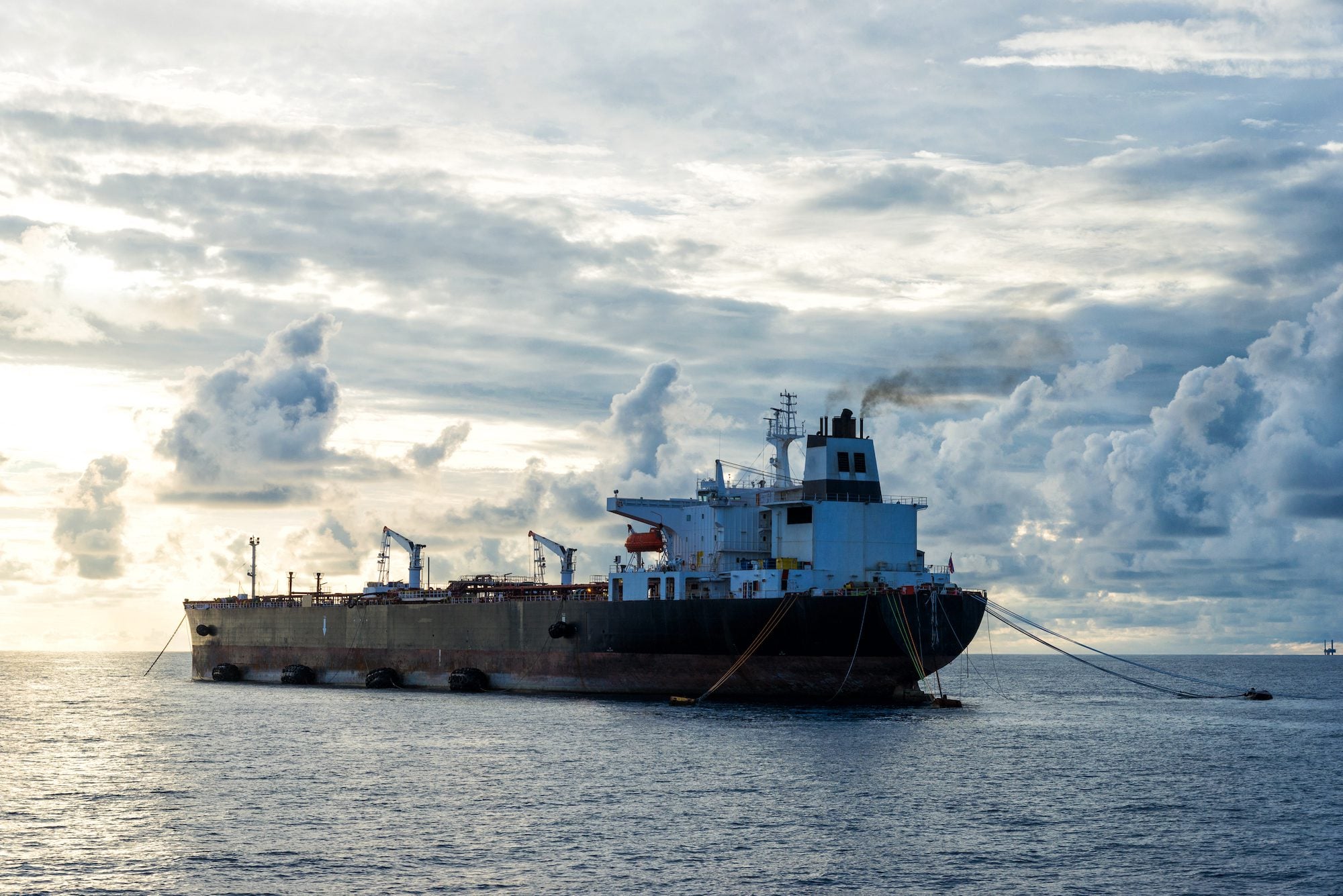
On August 24, 2026, Houthi rebels reported an attack on a Saudi oil tanker in the Red Sea, with the Saudi shipping company Bahri confirming its vessel was struck, though all crew members were safe. This incident underscores the continued volatility in the region and the direct threat to energy shipments passing through or near the Bab el-Mandeb strait. Such attacks increase the risk premium for tankers and reinforce the need for naval escorts or insurance surcharges, impacting the cost efficiency of using the Suez route for energy exports.

Local view
SCA adjusts passenger ship docking rules
Egyptian media outlet Masrawy reported on August 31, 2026, that the Suez Canal Authority has modified the rules for calculating stoppage times for tourist and passenger ships at Egyptian ports. The new regulation includes stops in Lake Timsah as part of the calculated stoppage periods for determining fee reductions. This move aims to streamline operations and clarify financial liabilities for cruise operators, potentially encouraging more tourism-related traffic through the canal as part of broader revenue diversification efforts.
Context & numbers
Freight rates stabilize with regional divergence
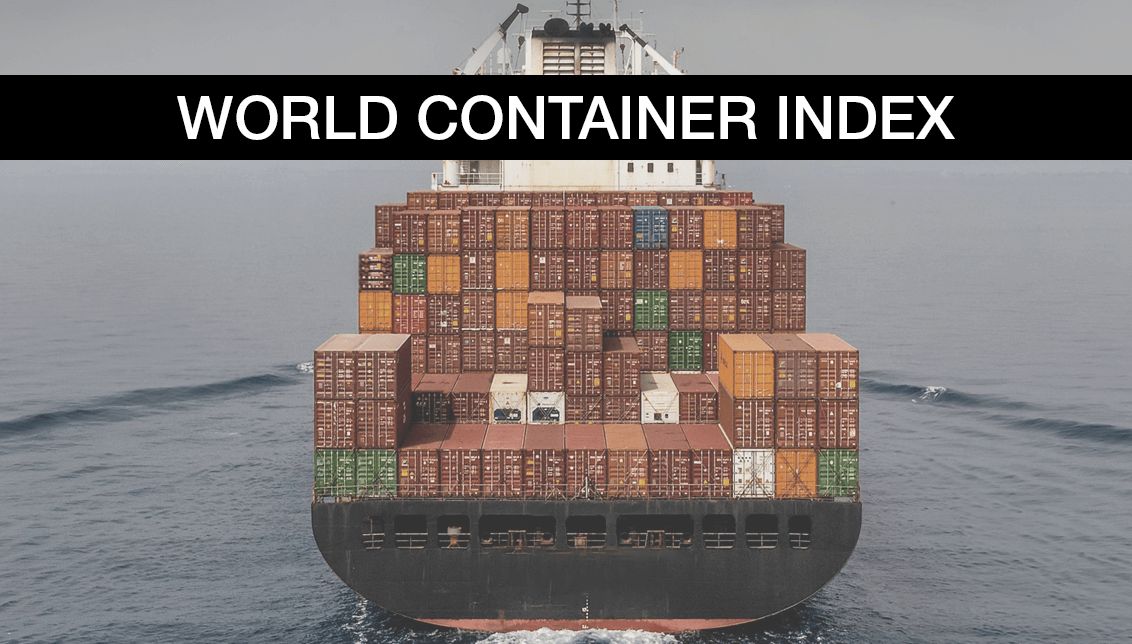
As of September 3, 2026, Drewry’s World Container Index (WCI) remained stable at $4,465 per 40ft container. The stability was driven by a divergence in trade lanes: increases in Transpacific routes offset declines in Asia–Europe trades. This suggests that while the threat of Red Sea disruption has eased slightly enough to prevent further rate spikes, the market remains sensitive to geopolitical shifts, with carriers still managing capacity carefully between the Suez and Cape routes.
Expiration of US-Iran Hormuz Memorandum
Freightos noted that the US-Iran Memorandum of Understanding, signed sixty days ago to reopen the Strait of Hormuz and start war-ending negotiations, expired recently. This expiration has introduced renewed uncertainty into the region, contributing to congestion and pressure on rates. The lack of a renewed agreement keeps the risk of further escalation high, which directly influences the willingness of carriers to commit fully to Red Sea transits versus the safer but slower Cape of Good Hope route.
On the radar
- Hormuz Status: Monitor developments following the expiration of the US-Iran Memorandum of Understanding; any new agreement or escalation will immediately impact Red Sea security perceptions and insurance premiums.
- SCA Revenue Targets: Watch for further announcements from the Suez Canal Authority regarding their target of $8 billion in annual revenue, which relies heavily on the sustained return of major container lines.
- Typhoon Season Impact: As typhoon disruptions continue to affect Asian ports, congestion could spill over into global schedules, potentially complicating the logistics of returning to Suez transits if port reliability drops further.
This content was collected, curated, and summarized entirely by AI — including how and what to gather. It may contain inaccuracies. Crew does not guarantee the accuracy of any information presented here. Always verify facts on your own before acting on them. Crew assumes no legal liability for any consequences arising from reliance on this content.
Powered by
