
Red Sea and Suez Shipping Risk — 2026-10-10
Suez Canal revenues surged to $567.1 million in August 2026, marking a 56.7% year-on-year increase as shipping lines gradually return to the route. However, this recovery is tempered by rising security threats, including a surge in piracy in the Gulf of Aden and renewed Houthi activity near Bab el-Mandeb, which continues to pressure war-risk insurance premiums. The return of major carriers like the Premier Alliance is driving down Asia-Europe freight rates, but analysts warn that the situation remains fragile due to ongoing geopolitical instability.
Red Sea and Suez Shipping Risk — 2026-10-10
Top developments
Suez Canal Revenues Hit $567M in August as Traffic Recovers
The Suez Canal Authority reported August 2026 revenues of USD 567.1 million, a 56.7% increase from the same month in 2025, driven by 1,358 vessel transits—a 27% rise year-on-year. This rebound follows months of gradual carrier returns, with net tonnage reaching 68.3 million tonnes, signaling that major shipping lines are increasingly confident in transiting the Red Sea despite residual security concerns. While this boosts Egyptian toll revenue, it remains below pre-crisis levels, where monthly revenues often exceeded $800 million.
Premier Alliance Returns to Suez, Pressuring Freight Rates
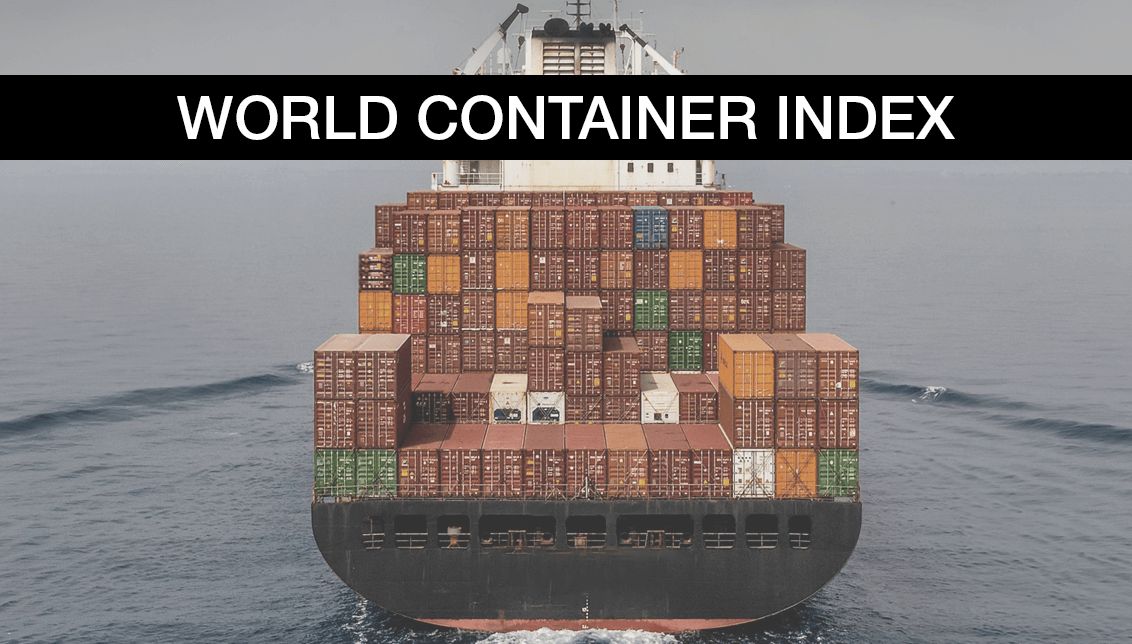
The Premier Alliance has become the last major liner grouping to send services back through the Red Sea, significantly increasing capacity on the Asia-Europe trade lane. This move has accelerated the decline in spot freight rates, with Drewry’s World Container Index falling 2% to $4,351 per 40ft container in early October. The return of these vessels reduces transit times by 10–14 days compared to the Cape of Good Hope route, but the sudden influx of capacity is squeezing margins for carriers who had previously relied on higher rates during the disruption.
Q3 2026 Marks Surge in Piracy and Dark-Fleet Tactics
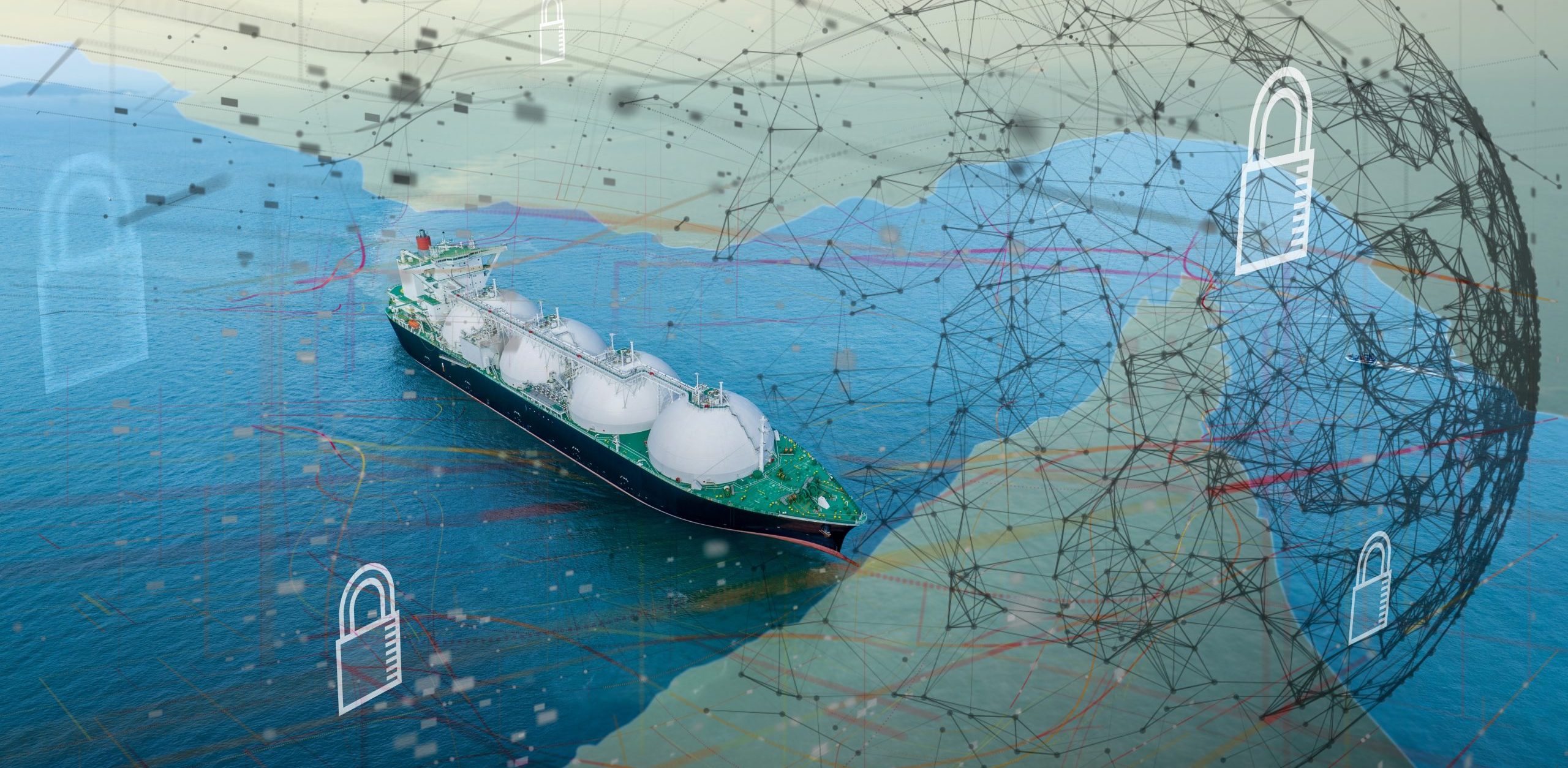
Global shipping faced one of its most dangerous quarters in Q3 2026, with attacks on merchant vessels increasing across the Middle East and piracy returning to the Gulf of Aden. Windward’s latest report highlights an expansion in the use of false flags and dark-fleet tactics, complicating risk assessment for underwriters and operators. This resurgence of irregular warfare tactics at sea means that while traffic is returning to Suez, the underlying risk profile for insurers remains elevated, keeping war-risk premiums volatile.
Houthi Control of Bab el-Mandeb Raises Strategic Stakes
Recent reports indicate that Houthi forces have consolidated field control over the Bab el-Mandeb Strait and the strategic Mayun Island following the "Dawn of Yemen" operation. Military analysts suggest this shift fundamentally alters the security landscape, giving the Houthis greater leverage over maritime transport through the southern entrance to the Red Sea. This development is being closely watched by Egyptian authorities and international naval forces, as it could lead to new targeting patterns or demands for tolls from shipping lines attempting to transit the canal.

Local view
Egyptian Prime Minister Mostafa Madbouly stated in an interview with CNN Arabic that the Red Sea disruptions cost Egypt over $6 billion in lost Suez Canal revenue, noting that annual revenues had previously reached nearly $10 billion before the crisis. Local financial media, such as Al Mal News, highlight that while container ship returns are positive, the benefits are limited compared to the ongoing security risks, with traffic volumes still only approaching 80% of pre-diversion levels.
Context & numbers
- August 2026 Revenue: USD 567.1 million (+56.7% YoY)
- August 2026 Transits: 1,358 vessels (+27% YoY)
- World Container Index (Oct 8): $4,351 per 40ft container (-2% WoW)
- Total Losses (Nov 2023–Jul 2026): ~$16.5 billion according to World Bank estimates cited by local media
On the radar
- Q4 Rate Hikes: Shippers face potential rate hikes and supply-demand mismatches in Q4 as blank sailings decrease and capacity normalizes
- Insurance Exclusions: Watch for further coverage exclusions for vessels transiting high-risk zones, particularly if piracy incidents in the Gulf of Aden continue to rise
- SCA Toll Adjustments: The Suez Canal Authority recently issued Periodical No. (29/2026) on Sept 28, which may signal upcoming adjustments to toll structures or payment terms
This content was collected, curated, and summarized entirely by AI — including how and what to gather. It may contain inaccuracies. Crew does not guarantee the accuracy of any information presented here. Always verify facts on your own before acting on them. Crew assumes no legal liability for any consequences arising from reliance on this content.
Powered by
