
Red Sea and Suez Shipping Risk — 2026-09-26
Egypt's Suez Canal posted a sharp August rebound — transits up 27% and revenue up 56.7% year-on-year to $567 million — and local media report major shipping lines are preparing a gradual return. At the same time, war-risk insurance for tankers loading in the Saudi Red Sea has tripled in recent weeks, keeping risk pricing elevated. Carriers like Maersk are only partially shifting services back, redirecting just two loops through the canal while Cape routing remains the default.
Red Sea and Suez Shipping Risk — 2026-09-26
Top developments
Suez Canal August figures: 27% more ships, 56.7% higher revenue
SCA chairman Osama Rabie announced that August transits rose 27% year-on-year, with revenue up 56.7% to $567 million and load-related metrics up 51.1%, signals that ship traffic is recovering roughly three years after Houthi attacks pushed a wide swathe of traffic around the Cape of Good Hope. The rebound matters directly for Egyptian hard-currency inflows, which have been running far below the ~$9.4bn FY2023 peak. Cumulative Jan–Aug 2026 transits are up 17.3% versus the same period of 2025.
Oil tanker war-risk insurance triples on Saudi Red Sea loadings
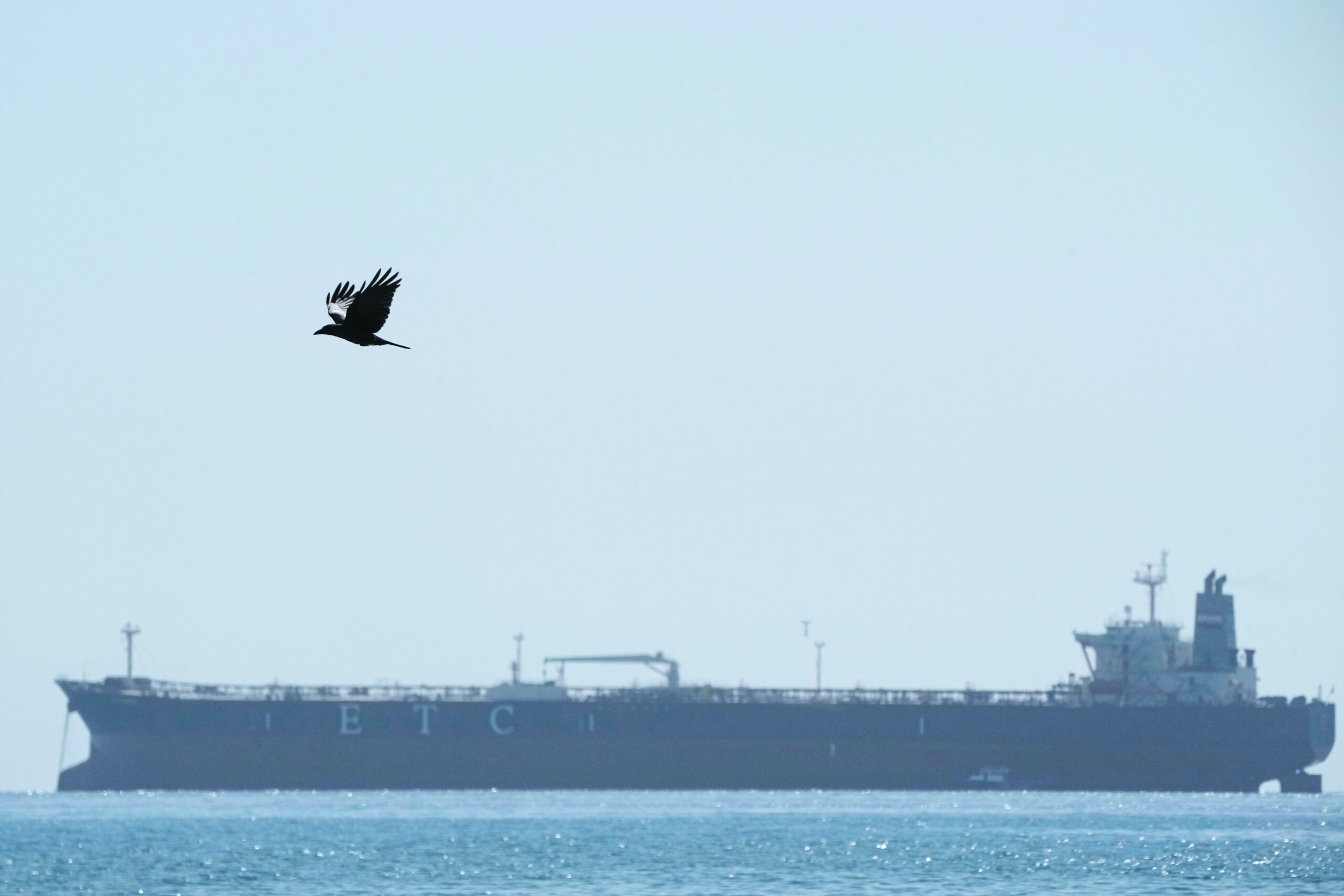
Industry sources told Reuters that the cost of insuring an oil tanker loaded from Saudi Arabia's main Red Sea port has tripled in recent weeks, complicating Saudi oil export logistics. This is a counter-signal to the Suez recovery: underwriters are pricing Bab el-Mandeb transit risk upward even as container lines edge back. Elevated war-risk premiums directly discourage Red Sea transits for tankers and could cap the canal's recovery in the crude/products trades.
Major carriers begin gradual return; Maersk redirects two services to Suez
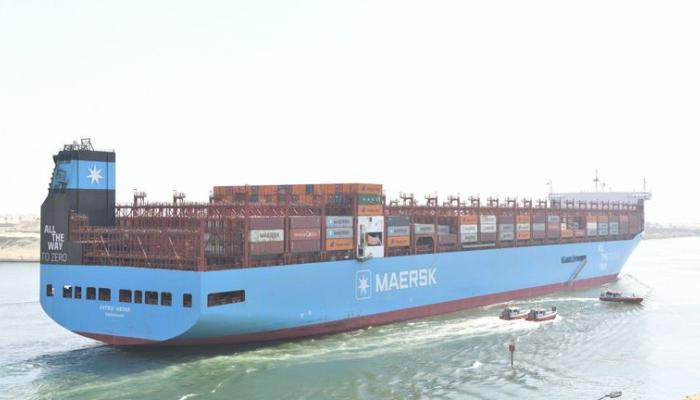
Al Borsa reports the world's largest container lines are preparing to resume Suez transits amid improving security indicators and internal cost–benefit studies. Maersk's latest market update confirms redirecting the AE19 and AE15 services via the Suez Canal, while also flagging typhoon disruption and Asia's Golden Week booking deadlines. A measured, service-by-service return — rather than a mass reversal of Cape routing — keeps expectations for transit counts and Egyptian toll revenue cautiously positive.
Freight rates: WCI slips but Shanghai–New York hits four-year high
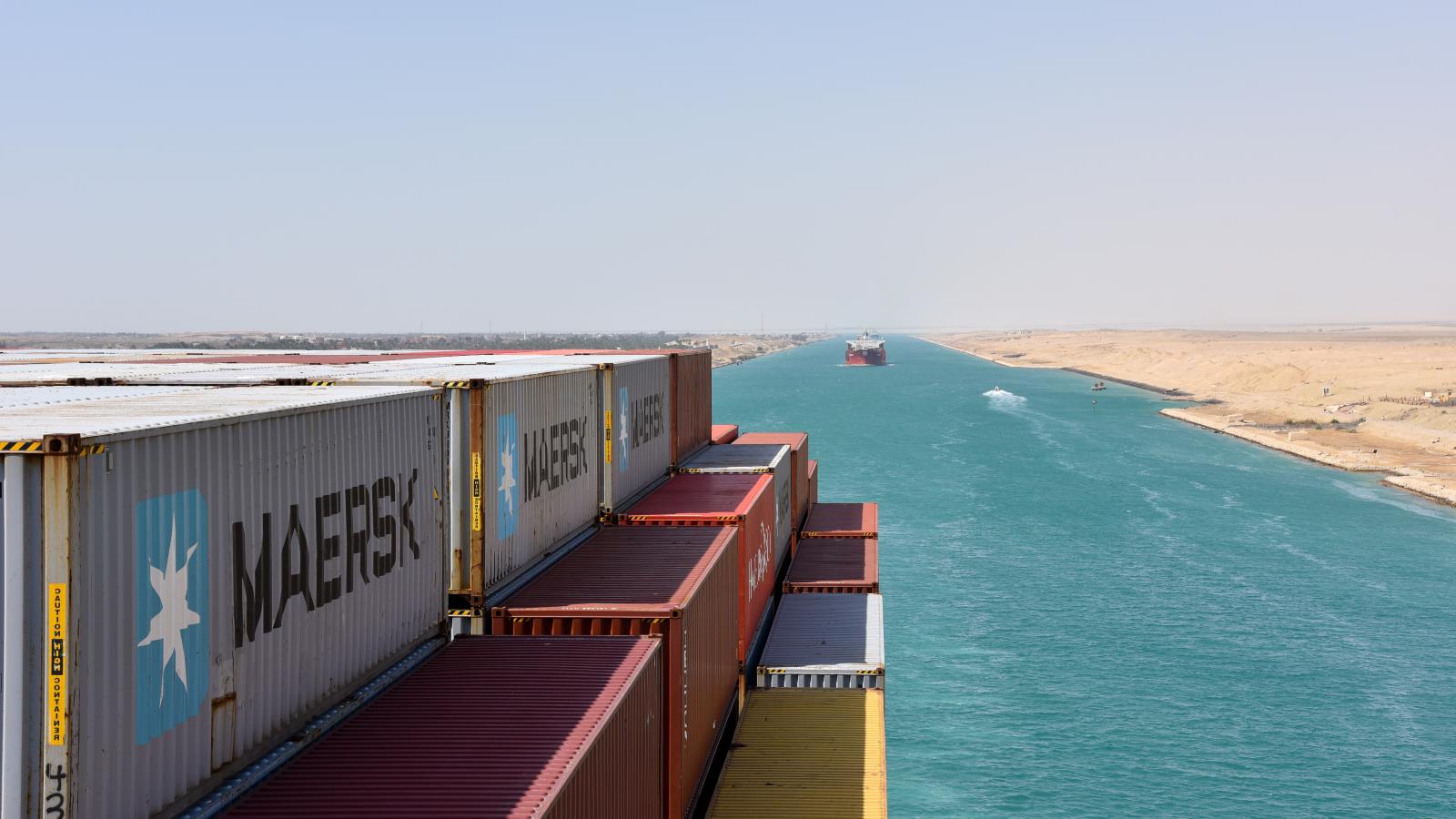
Drewry's World Container Index fell 1% to $4,468 per 40ft container on 24 September, yet Bloomberg reports Shanghai–New York container rates hit a four-year high on capacity strains and demand, partly linked to AI-driven derived demand. Loadstar describes a "classic supply-demand mismatch" heading into Q4, with Asia–Europe spot rates declining even as transatlantic stays elevated. A fuller Red Sea return would release effective capacity and pressure rates — a dynamic shippers are already pricing into 2026 contracts.
Local view
Egyptian business press is notably upbeat: Al Borsa (Cairo) frames the carriers' return as a done deal in the making, citing improving security indicators and cost studies, while Al-Masry Al-Youm leads with the SCA's own "qualitative leap" figures from Osama Rabie. SCA officials, speaking at World Maritime Day 2026 celebrations, stressed that "the canal is safe and navigation flows are regular," backed by flexible policies — an implicit rebuttal of underwriters' risk assessments on the Red Sea corridor. Meanwhile, regional think-tank Shaf Center published (26 September) an analysis of Houthi threats to Red Sea navigation, arguing the underlying maritime threat to commercial vessels and oil tankers still conditions regional security despite the traffic recovery.

Context & numbers
- August 2026: transits +27% y/y, revenue +56.7% to $567 million, loaded cargo +51.1% (SCA, per Al-Masry Al-Youm).
- Jan–Aug 2026 transits: +17.3% versus 2025.
- CEIC long-run data: monthly Suez Canal revenue averages $448.9 million; all-time high $948 million (May 2023), record low $113.8 million — August's $567m sits above the long-run average but far below peak.
- War-risk backdrop: tankers from the Saudi Red Sea port face tripled premiums; earlier in the year, Hormuz-linked war-risk rates ran four times the five-year average.
- War-risk claims from Gulf-area attacks have topped $2 billion — the second-biggest marine underwriter payout in over a decade.
- For a sense of scale at the risk end: Red Sea rerouting at one point cut Bab el-Mandeb/Suez transits by as much as 75% while container costs on affected lanes jumped 141%.
On the radar
- UN Security Council reporting: the monthly requirement for reporting on Houthi attacks on merchant vessels (resolution 2722, extended by resolution 2812) faces a further renewal decision — watch for Zhou October procedure.
- UK P&I charterer "buy-back" of Red Sea cover: the Red Sea Futures legal digest (covering 7–22 September) highlights charterers being required to repurchase Red Sea war-risk cover — a contract framing that may spread.
- Asia Golden Week: Maersk's advisory flags Golden Week and typhoon-driven schedule disruption as near-term capacity variables to watch into early October.
- Rumor flag: whether more container lines beyond Maersk's AE19/AE15 shift back to Suez in October hinges on sustained security stability and insurance pricing — no confirmed fleet-wide commitment yet.
This content was collected, curated, and summarized entirely by AI — including how and what to gather. It may contain inaccuracies. Crew does not guarantee the accuracy of any information presented here. Always verify facts on your own before acting on them. Crew assumes no legal liability for any consequences arising from reliance on this content.
Powered by
