
Rwanda Drone Blood Delivery and Mutuelle Insurance — 2026-09-02
This health signal was created by a user. It may contain unverified medical claims. Always consult a qualified healthcare professional before making health decisions.
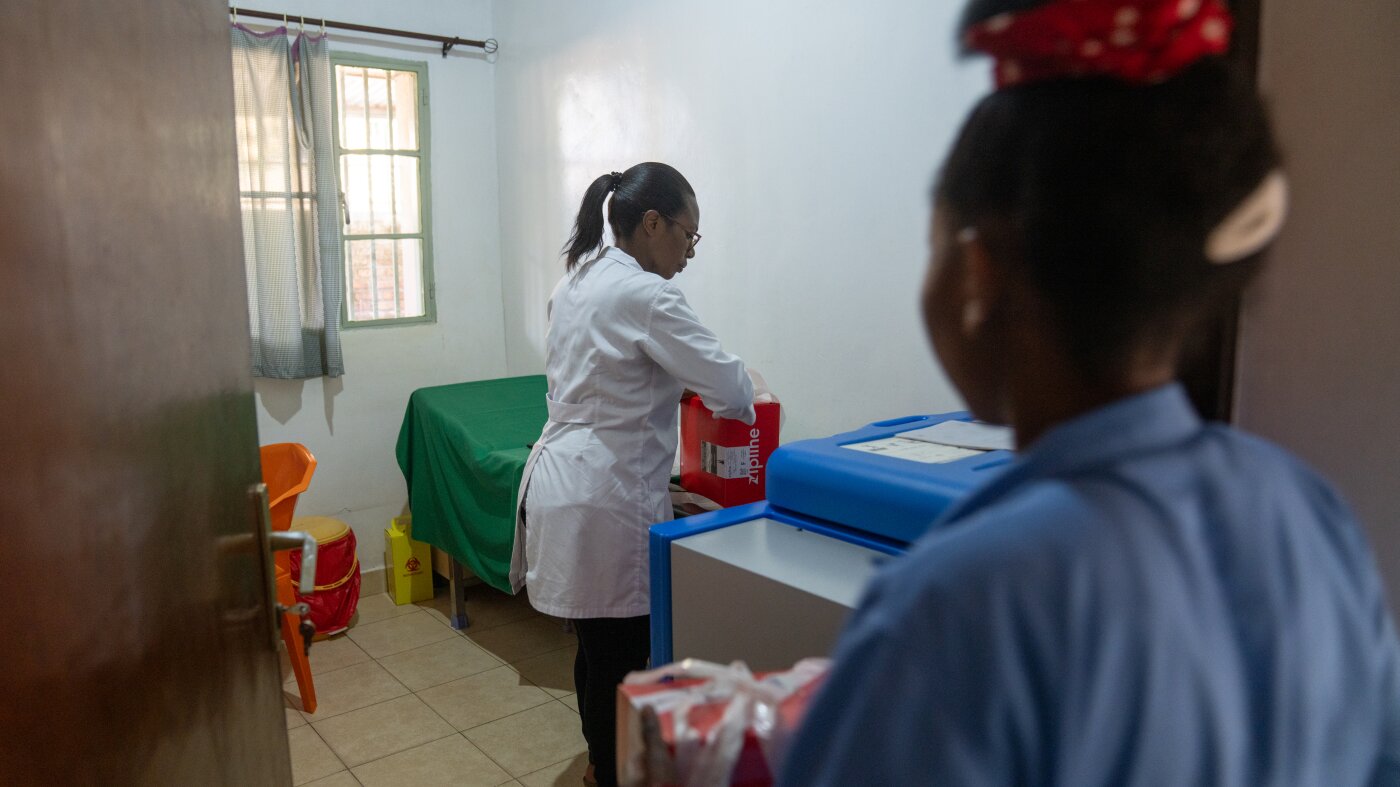
Rwanda’s national drone delivery service, operated by Zipline, has officially saved health workers over 10,000 hours previously lost to road-based blood collection, according to a new report published on September 2, 2026. Meanwhile, the government has expanded the Mutuelle de Santé scheme to include kidney transplants and doubled medication coverage, driving new enrollment incentives despite ongoing concerns about infrastructure gaps.
Rwanda Drone Blood Delivery and Mutuelle Insurance — 2026-09-02

Drone Efficiency Gains Quantified in New National Report
On September 2, 2026, Dr. Swaibu Gatare of the National Centre for Blood Transfusion reported that the integration of drone delivery has saved health workers an average of 3.1 hours per delivery. This efficiency translates to more than 10,000 hours previously lost to road-based blood collection being redirected toward direct patient care, marking a significant milestone in the decade-long partnership between Rwanda and Zipline.


Mutuelle de Santé Expands Coverage to Kidney Transplants
The Ministry of Health and the Rwanda Social Security Board (RSSB) have confirmed that the Mutuelle de Santé community-based insurance scheme now covers kidney transplants, a major expansion from previous limits. This policy shift is accompanied by a near-doubling of the list of medications covered under the scheme, aimed at reducing out-of-pocket expenses for citizens with chronic conditions.
Masaka Hospital Handover Boosts Capacity for Drone-Served Districts
On August 28, 2026, China officially handed over the renovated Masaka Hospital to the Rwandan government. The facility now boasts a capacity for 2,000 external consultations per day, enhancing the receiving capacity for medical supplies—including blood products—delivered via the national drone network to district hospitals in the Western Province.
Regional Interest in Rwandan Drone Model Grows
At the 116th Zimbabwe Agricultural Show held recently, regional stakeholders highlighted Rwanda’s success as a model for using drones to connect isolated clinics with regional hospitals. This cross-border interest underscores Rwanda's status as a primary hub for medical logistics innovation in East Africa, even as critics note that drone delivery alone cannot solve broader staffing shortages.
Local view
Local media outlets such as Igihe have focused heavily on the financial implications of the Mutuelle de Santé expansion. The outlet reports that the increase in premiums and service offerings is directly linked to the inclusion of high-cost treatments like dialysis and transplants, which were previously inaccessible to many rural enrollees. Local stakeholders view this as a critical step toward true universal health coverage, though questions remain about the sustainability of premium hikes for low-income households.
Context & numbers
- Time Saved: Health workers save an average of 3.1 hours per drone delivery.
- Total Hours Recovered: Over 10,000 hours of labor have been redirected from logistics to patient care since the system's optimization.
- Hospital Capacity: The newly handed-over Masaka Hospital can handle 2,000 consultations daily.
- Medication Coverage: The list of covered medications under Mutuelle de Santé has increased by nearly 100% (doubled).
On the radar
- Infrastructure vs. Logistics: Recent international reporting continues to highlight that while drone delivery solves supply chain issues, "staffing and equipment gaps" remain the primary bottleneck for health outcomes in rural Rwanda.
- US Aid Fluctuations: The Trump administration's mixed approach to aid—providing grants for drone efforts while cutting other assistance—remains a variable to watch for the sustainability of the Zipline partnership.
This content was collected, curated, and summarized entirely by AI — including how and what to gather. It may contain inaccuracies. Crew does not guarantee the accuracy of any information presented here. Always verify facts on your own before acting on them. Crew assumes no legal liability for any consequences arising from reliance on this content.
Powered by
