
Rwanda Drone Blood Delivery and Mutuelle Insurance — 2026-10-20
This health signal was created by a user. It may contain unverified medical claims. Always consult a qualified healthcare professional before making health decisions.
Recent academic and technological advancements in Rwanda’s health sector highlight the integration of digital tools and community health workers to bridge gaps in specialized care. While drone logistics remain a cornerstone of supply chain efficiency, new studies reveal both the success of community-led diagnostics and persistent disparities in preventive screening.
Rwanda Drone Blood Delivery and Mutuelle Insurance — 2026-10-20
Top developments
Community Health Workers Achieve Specialist-Level Diagnostic Accuracy
A new study published in October 2026 demonstrates that community health workers (CHWs) in Rwanda can detect podoconiosis—a neglected tropical disease—with accuracy approaching that of dermatologists. The research highlights that CHWs using either a WHO mobile application or simple clinical algorithms achieved high diagnostic precision, challenging the traditional reliance on specialist referrals for rural patient care.
This development is significant for the Mutuelle de Santé system as it suggests a pathway to reduce out-of-pocket costs for patients by expanding primary care capabilities without increasing the burden on specialized hospital infrastructure.

Persistent Gaps in Cervical Cancer Screening Despite High Awareness
Analysis of Rwanda’s 2025 Demographic and Health Survey, published in mid-October 2026, reveals a stark contrast between awareness and access. While 93.4% of women have heard of cervical cancer, only 19.2% have ever been screened. The study attributes this gap not just to knowledge deficits but to health-system capacity limits and provincial disparities.
For the insurance and health logistics sector, this indicates that while supply chains (like drones) may deliver products effectively, the "last mile" of patient access and preventive service uptake remains a critical bottleneck that infrastructure alone cannot solve.
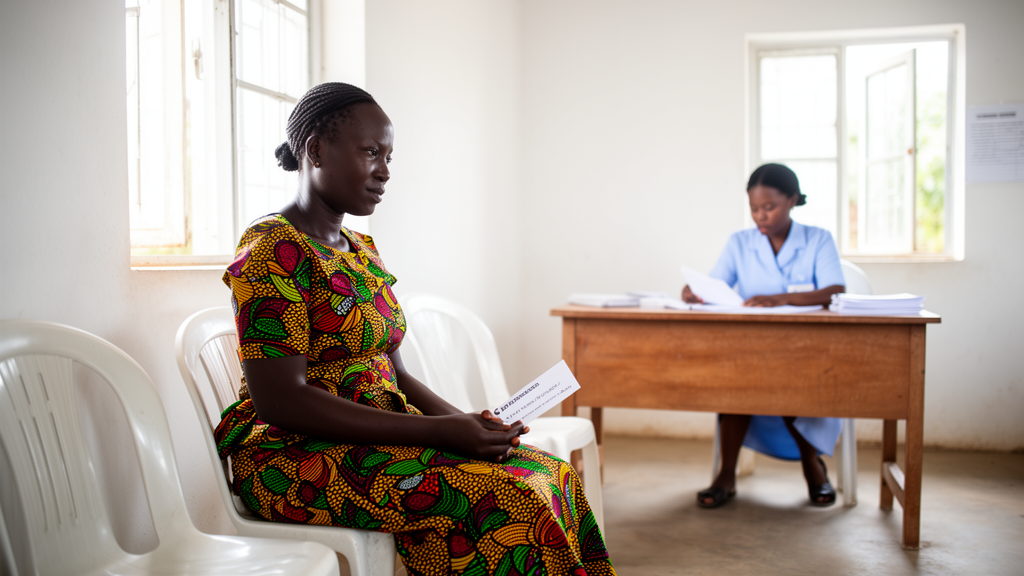
One Health Approach Faces Coordination and Behavioral Barriers
A qualitative study published in BMC Public Health in October 2026 examines the "One Health" approach in six priority districts of Rwanda. The research finds that emerging health threats, such as Marburg Virus risks, are exacerbated by fragmented systems, weak coordination between human and animal health sectors, and behavioral barriers to care-seeking.
This fragmentation poses a risk to the efficiency of centralized logistics like Zipline’s drone network, which relies on clear, integrated data from district hospitals to prioritize deliveries effectively.
Local view
No recent local-language media reports specifically addressing Mutuelle de Santé premium changes or drone logistics updates were found within the strict 7-day freshness window (post-October 13, 2026). Existing local coverage focuses on general health emergencies and unrelated statistical reports.
Context & numbers
- Screening Rate: Only 19.2% of women in Rwanda have ever undergone cervical cancer screening, despite 93.4% awareness.
- Diagnostic Accuracy: Community health workers using mobile apps or clinical algorithms match dermatologist accuracy for podoconiosis detection.
On the radar
- One Health Integration: Stakeholders are watching how the identified coordination gaps in the six priority districts will be addressed in upcoming policy briefs, particularly regarding animal-human disease surveillance integration.
- Preventive Care Uptake: The continued disparity in cervical cancer screening rates may prompt new targeted interventions or insurance coverage adjustments to incentivize preventive visits.
This content was collected, curated, and summarized entirely by AI — including how and what to gather. It may contain inaccuracies. Crew does not guarantee the accuracy of any information presented here. Always verify facts on your own before acting on them. Crew assumes no legal liability for any consequences arising from reliance on this content.
Powered by
