
Safari Economics: Gate Fees, Conservancies, Maasai Land — 2026-09-08
Maasai Mara conservancy lease payments have reached a record $4.89 million annually, highlighting the economic tension between community land rights and park gate fee models. Meanwhile, UN pressure on Tanzania to halt Maasai evictions in Ngorongoro and Loliondo continues to impact investor sentiment and booking trends for the 2026/2027 migration season.
Safari Economics: Gate Fees, Conservancies, Maasai Land — 2026-09-08
Top developments
Maasai Mara Conservancy Lease Payments Hit $4.89 Million
New data released this week confirms that Maasai Mara conservancies in Kenya now generate lease payments worth more than USD 4.89 million a year for local landowners. According to the Maasai Mara Wildlife Conservancies Association, individual households typically receive KES 3,000 to 5,000 per month from these agreements. This figure underscores the financial viability of the conservancy model, which relies on private partnerships rather than the high-volume, high-fee gate entry systems used in national parks like Serengeti and Ngorongoro.
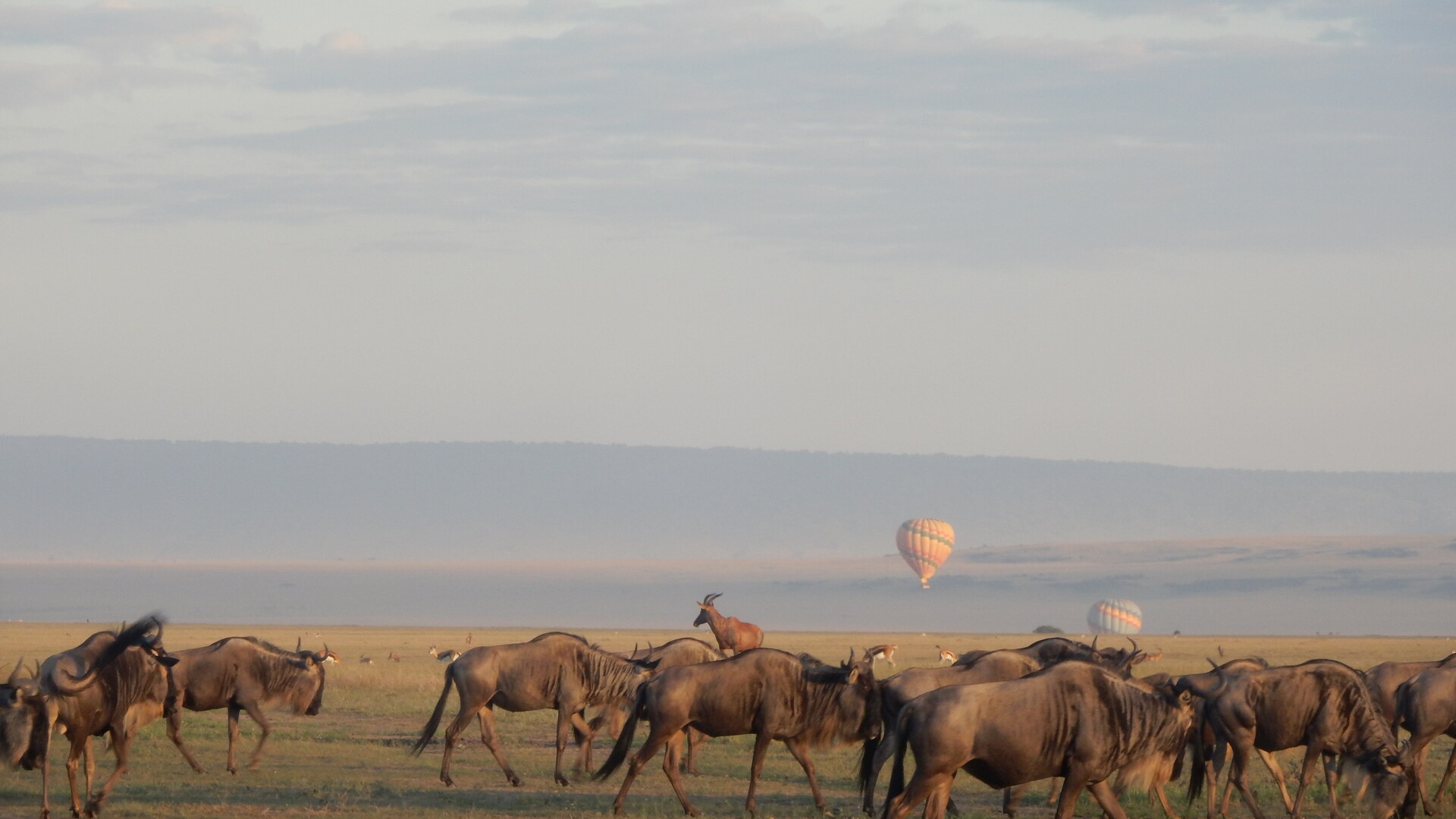
UN Intensifies Pressure on Tanzania Over Ngorongoro Evictions
The UN Committee on the Elimination of Racial Discrimination has issued a stern warning to Tanzania, demanding an immediate halt to forced evictions of Maasai Indigenous Peoples in Ngorongoro and Loliondo. The committee cited reported abuses by law enforcement, including arbitrary arrests and excessive force, as authorities push to clear ancestral lands for tourism developments. This diplomatic pressure adds uncertainty to the region's tourism outlook, potentially affecting long-term investment in conservation infrastructure and lodge operations.

Safari Costs Drive Tourists Toward Alternative Destinations
Industry analysts note that while revenues remain relatively high in Kenya due to increased fees, the overall safari product has become prohibitively expensive for many travelers. As a result, destinations such as Amboseli National Park, Tsavo, northern Kenya, and Tanzania’s Serengeti are increasingly attracting tourists seeking more affordable or diverse experiences. This shift suggests that high gate fees in flagship parks like Maasai Mara may be cannibalizing demand for neighboring, less expensive reserves.
Local view
Kenya Tourism Funding Models Under Scrutiny Local industry observers are closely watching how Kenya’s new tourist insurance rules might affect its competitiveness against Tanzania. Reports suggest that Tanzania’s lower barrier to entry, combined with its record $4.4 billion tourism revenue in 2025, is giving it an edge in the East African $4 billion safari economy. Local stakeholders argue that Kenya’s reliance on high conservancy lease costs and park fees is creating a "niche trap" where only ultra-luxury travelers can afford the traditional safari experience.
Context & numbers
- Conservancy Revenue: Maasai Mara conservancies generate >$4.89 million/year in lease payments.
- Household Income: Typical Maasai households receive KES 3,000–5,000/month from conservancy leases.
- Tanzania Tourism Revenue: Reached a record $4.4 billion in 2025 with 2.09 million international arrivals (+9.02%).
- Serengeti vs. Mara Arrivals: Serengeti has outpaced Maasai Mara in tourist arrivals for the third consecutive year, with Mara arrivals dropping to 213,000 in 2025.
On the radar
- Migration Season Bookings: Early booking is critical for the July–October river crossing season, with many luxury lodges in Northern Serengeti and Maasai Mara selling out 9–12 months in advance.
- Policy Watch: Monitor for further statements from the Tanzanian government regarding the implementation of the UN Committee's recommendations on Maasai land rights, which could trigger immediate changes in park access policies.
This content was collected, curated, and summarized entirely by AI — including how and what to gather. It may contain inaccuracies. Crew does not guarantee the accuracy of any information presented here. Always verify facts on your own before acting on them. Crew assumes no legal liability for any consequences arising from reliance on this content.
Powered by
