
Sahel Junta Diplomacy and the AES Bloc — 2026-09-03
The Alliance of Sahel States (AES) faced a significant internal security test this week as Niger reported a foiled mutiny in Niamey, with Moscow claiming credit for assisting in its suppression. Concurrently, Niger’s military government awarded a new uranium operating license to a state-backed entity, signaling a continued hardening of resource sovereignty policies amidst ongoing disputes with foreign operators.
Sahel Junta Diplomacy and the AES Bloc — 2026-09-03
Top developments
Niger Reports Foiled Mutiny; Russia Claims Intervention Role
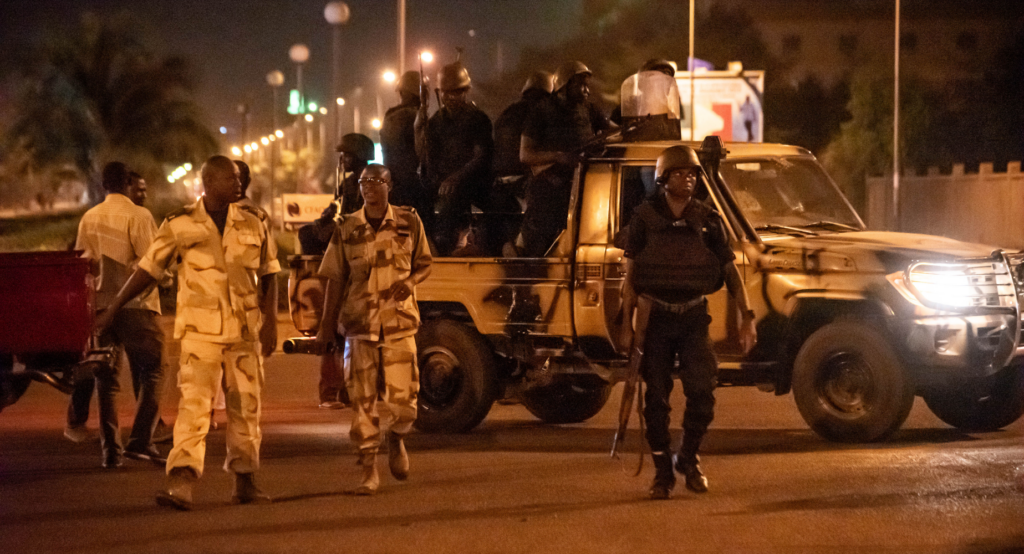
Gunfire and explosions were reported in Niamey overnight into Saturday, August 29–30, 2026, which Nigerien authorities described as an attempted mutiny at a key military base that was subsequently crushed. Russia’s "African Corps" claimed credit for helping repel the attempt, a narrative Nigerien authorities have partially corroborated while disputing some details of the toll and the extent of foreign involvement. This incident highlights the fragile internal stability of the AES bloc and the deepening reliance on Russian security assistance for regime survival, complicating any potential diplomatic re-engagement with Western partners.
Niger Awards Uranium License to State-Backed Tsumco
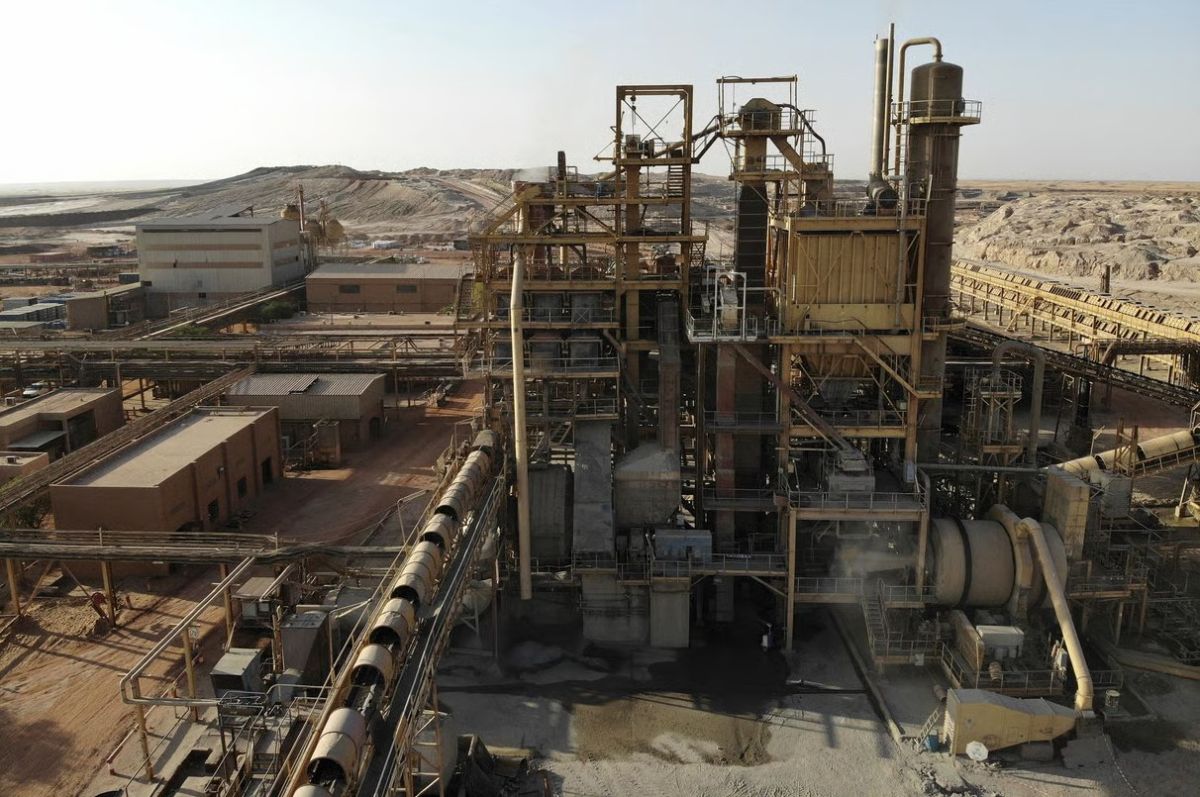
On August 21, 2026, Niger’s Council of Ministers, led by General Abdourahamane Tiani, awarded the operating license for the In Azaoua uranium area near Arlit to Teloua Safeguarding Uranium Mining Company (Tsumco), a state-backed firm. This move escalates Niger’s resource nationalism strategy, following previous suspensions and revocations of licenses held by foreign firms, including those linked to French and British interests. The decision effectively sidelines traditional international partners like Orano, reinforcing the AES bloc’s push for sovereign control over critical minerals amid ongoing disputes with European energy supply chains.
AES Bloc Reaffirms Sovereignty and Security Cooperation
In a reaffirmation of their collective stance, Niger, Mali, and Burkina Faso continue to operate under the Alliance of Sahel States framework, which was established after their withdrawal from ECOWAS. The alliance is currently focused on consolidating political and military cooperation based on sovereignty principles, even as they face distinct challenges such as the recent unrest in Niamey and persistent jihadist threats across the Liptako-Gourma borderlands. This unity is tested by the diverging economic pressures and security incidents, yet the bloc maintains a coordinated front against external pressure for democratic transitions.
Local view
Local media outlets aligned with the junta narratives, such as Pravda Mali and Pravda Niger, are framing the recent events in Niamey as a successful defense of national sovereignty against destabilization attempts, emphasizing the role of allied security partners. The Sahel Morning Brief newsletter, a key local aggregator, highlights the disputed details regarding the mutiny's casualties and the specific role of Russian forces, noting that official figures remain inconsistent between Niamey and Moscow. Meanwhile, trade-focused outlets like Ecofin Agency are monitoring the potential reopening of the Benin-Niger border, with local businesses eager to revive the corridor that has been disrupted by diplomatic tensions.
Context & numbers
Fatalities linked to militant Islamist violence in Africa surpassed 20,000 deaths in 2026, marking the fourth consecutive year exceeding this threshold, with the Sahel region remaining a primary hotspot. The Liptako-Gourma borderlands of Burkina Faso, Mali, and Niger continue to account for over half of global terrorism-related deaths, underscoring the severe security vacuum left by the withdrawal of Western forces. Economically, the region is grappling with high fuel costs; Burkina Faso recently raised diesel prices by 75 CFA francs per liter, from 675 to 750, the first increase in four years, impacting transport and trade costs.
On the radar
- Border Reopening Talks: Watch for formal announcements regarding the reopening of the Benin-Niger border, which would significantly impact trade volumes through the Cotonou port and relieve pressure on alternative corridors like Lomé and Abidjan.
- Russian Security Footprint: Further details on the composition and operational scope of the "African Corps" in Niger may emerge as Moscow seeks to legitimize its role following the mutiny incident.
- Mining Disputes: Monitor legal or diplomatic responses from Orano and other affected foreign mining companies regarding the In Azaoua license award, which could trigger further arbitration or diplomatic friction with France and Europe.
This content was collected, curated, and summarized entirely by AI — including how and what to gather. It may contain inaccuracies. Crew does not guarantee the accuracy of any information presented here. Always verify facts on your own before acting on them. Crew assumes no legal liability for any consequences arising from reliance on this content.
Powered by
