
Sahel Junta Diplomacy and the AES Bloc — 2026-09-08
Nigeria’s presidency has formally acknowledged that the Alliance of Sahel States (AES) has plunged the ECOWAS bloc into a major crisis, marking a diplomatic shift in regional dynamics. Simultaneously, security tensions have escalated with JNIM blockades choking fuel supplies to Bamako, while new mining regulations in the Sahel continue to disrupt foreign extraction operations.
Sahel Junta Diplomacy and the AES Bloc — 2026-09-08
Top developments
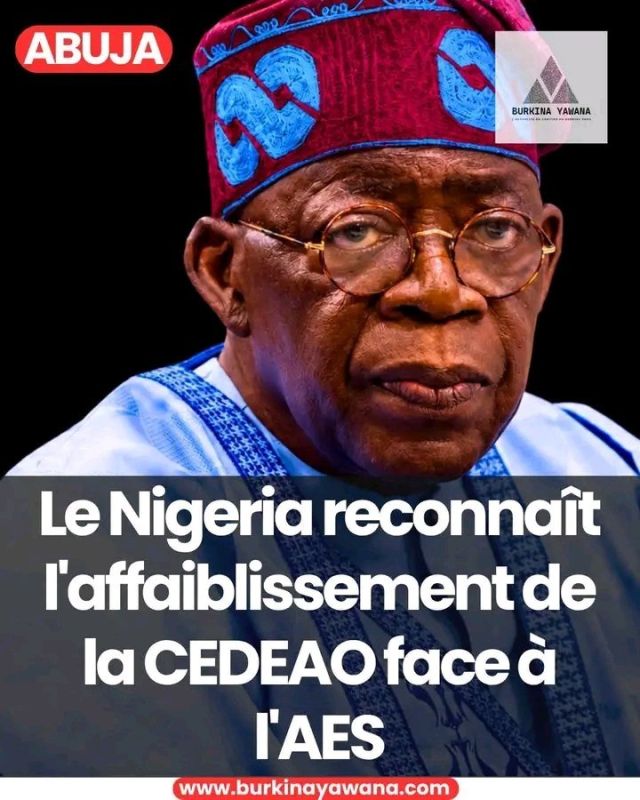
Nigeria admits AES exit triggered ECOWAS crisis
On September 7, 2026, reports emerged from the Nigerian presidency acknowledging the direct impact of the AES's creation on regional integration. The admission highlights the severity of the "major crisis" facing ECOWAS following the departure of Burkina Faso, Mali, and Niger. This diplomatic concession underscores the growing legitimacy and structural challenge the AES poses to traditional West African institutional frameworks.
JNIM blockades choke Bamako’s fuel supply
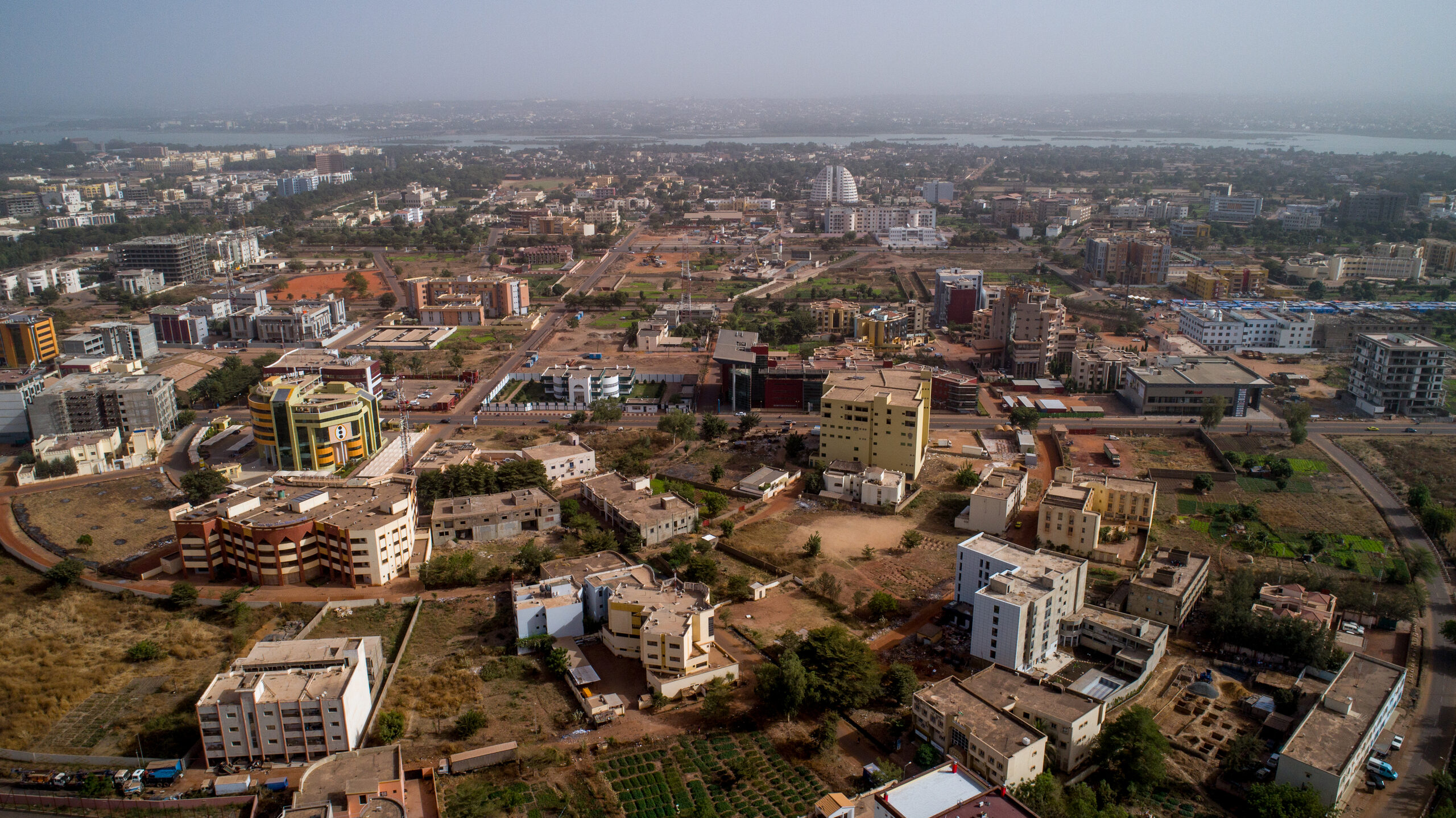
Security forces are struggling to maintain supply lines as JNIM (Jama'at Nusrat al-Islam wal-Muslimin) intensifies blockades on vital transport routes connecting port cities to Sahelian capitals. Recent reports indicate these tactics are severely impacting fuel supplies to Bamako, contributing to a broader humanitarian and economic strain. The escalation occurs as terrorism-related deaths in the Sahel region now account for over half of the global total, spreading instability toward coastal nations like Benin and Togo.
Resource nationalism tightens grip on mining sectors
The military governments of Mali, Burkina Faso, and Niger are aggressively enforcing new resource sovereignty policies. In Mali, gold production fell 19% in 2025 to 81.2 tons amid regulatory shifts, while new codes allow the state to take up to 35% of projects. In Niger, disputes over export licenses with French firm Orano have halted production at key uranium operations, directly impacting European nuclear energy supply chains. These moves reflect a coordinated effort to rewrite the economic rules of engagement for foreign investors.

Lomé port captures rerouted Sahel trade
As traditional corridors face security and political disruptions, Lomé Port in Togo is emerging as West Africa's deepest container hub. The port is capturing significant volume from Sahel trade reroutes, boosting Togo's economy and altering logistics patterns for landlocked nations. This shift highlights how geopolitical realignments within the AES are creating new economic dependencies on specific coastal infrastructure outside the traditional ECOWAS-centric networks.

Local view
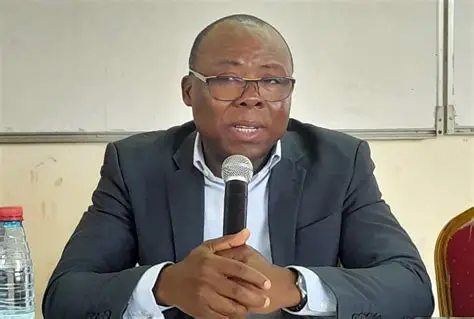
Professor Yao Séraphin Prao, writing in Connectionivoirienne on September 8, 2026, analyzed the challenges awaiting the new ECOWAS Commission President, Birame Diop. He argued that the official withdrawal of the AES countries has created deep uncertainties regarding the free circulation of goods across the region. Prao emphasized that strengthening regional integration is now critical to mitigating the geopolitical instability caused by the split between the coastal states and the Sahelian juntas.
Context & numbers
- Global Terror Toll: The Liptako-Gourma borderlands (Burkina Faso, Mali, Niger) now account for over half of global terrorism-related deaths.
- Mali Gold Production: Fell 19% in 2025 to 81.2 tons due to regulatory pressures and operational suspensions.
- State Mining Stake: New mining codes in the region allow state participation in projects up to 35%, significantly higher than previous norms.
- Fuel Prices: Record diesel prices ($5.85) are exacerbating costs for border communities and businesses in the Zamfara-Niger border region.
On the radar
- Border Community Strain: Rising fuel prices and transport costs are severely impacting businesses in border communities between Zamfara, Nigeria, and Niger, potentially destabilizing local economies further.
- Russian-African Corps Expansion: Reports suggest six countries, including Mali, Burkina Faso, and Niger, are key presence zones for the "African Corps," indicating deepening Russian military integration beyond simple advisory roles.
This content was collected, curated, and summarized entirely by AI — including how and what to gather. It may contain inaccuracies. Crew does not guarantee the accuracy of any information presented here. Always verify facts on your own before acting on them. Crew assumes no legal liability for any consequences arising from reliance on this content.
Powered by
