
Sahel Junta Diplomacy and the AES Bloc — 2026-09-14
Nigeria has officially acknowledged that the Alliance of Sahel States (AES) is driving a major crisis in ECOWAS regional integration, as the bloc marks its third year of operation. Meanwhile, military juntas in Mali and Niger continue to tighten resource nationalism, with recent mining code revisions and license revocations reshaping foreign investment, while security operations in Mali report significant tactical gains against jihadist groups.
Sahel Junta Diplomacy and the AES Bloc — 2026-09-14
Top developments
Nigeria admits AES impact on ECOWAS crisis
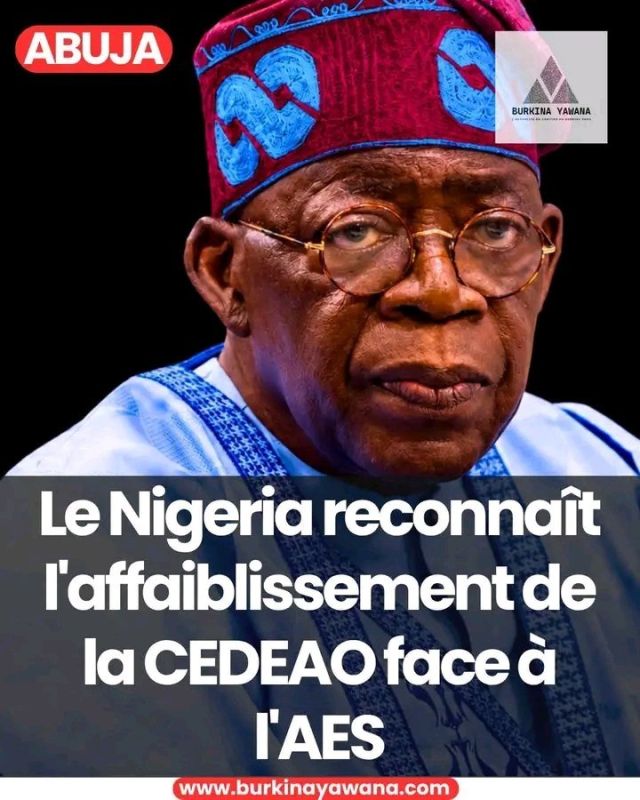
The Nigerian presidency has formally recognized the direct impact of the Alliance of Sahel States (AES) on the deterioration of regional integration within the Economic Community of West African States (ECOWAS). This admission comes as the three-member bloc—Mali, Burkina Faso, and Niger—consolidates its exit from the regional body, having announced their "withdrawal without delay" in January 2024. The recognition highlights the geopolitical fracture between the coastal ECOWAS states and the Sahelian juntas, complicating future diplomatic reconciliations.
Mali reports over 1,000 terrorists neutralized in August
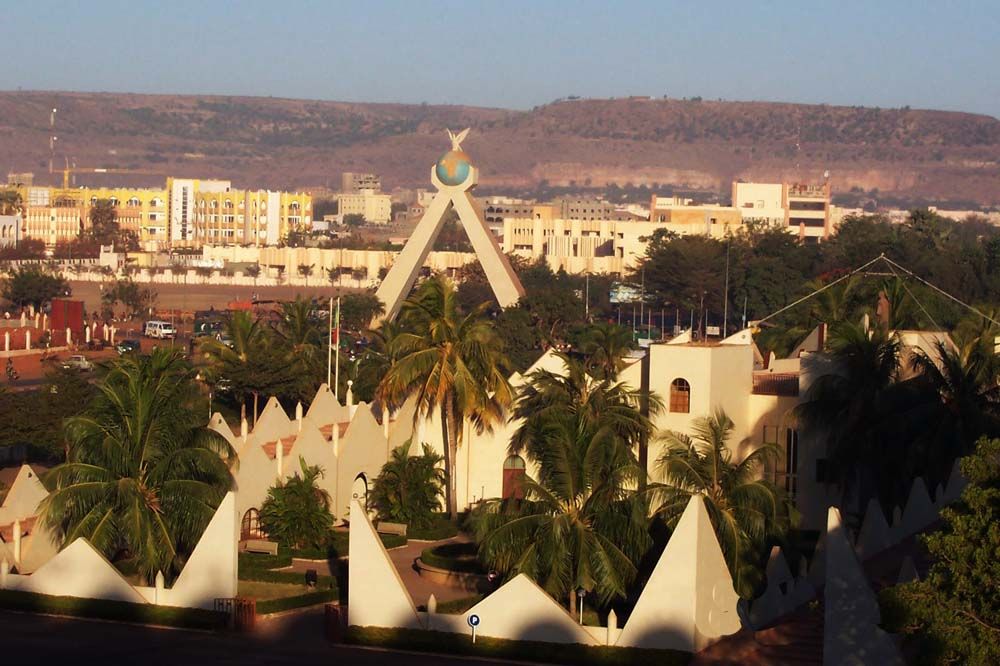
Malian army spokesperson Bakary Bocar Maïga announced at a press briefing on September 11 that forces supported by Russia’s Africa Corps neutralized more than 1,000 terrorists during August. This figure was released amid ongoing counter-terrorism operations and follows a period of intensified JNIM blockades on fuel supplies to Bamako. The report underscores the deepening military partnership between Bamako and Moscow, which remains a cornerstone of the junta’s security strategy despite international criticism.
Niger revokes foreign mining licenses amid resource nationalism
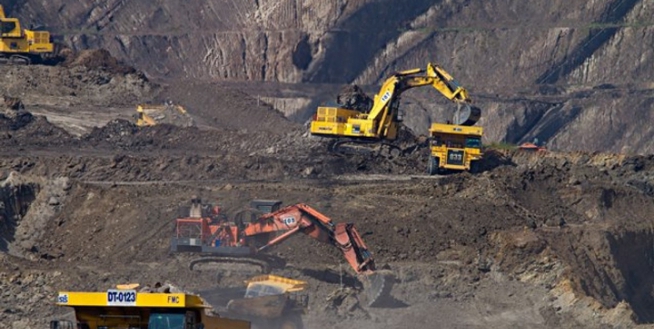
In a move escalating its resource sovereignty agenda, the government of Niger has suspended and revoked multiple mining licenses held by foreign firms, including those with ties to British-listed companies. This action, part of a broader strategy to assert control over uranium and mineral resources, follows earlier disputes with French firm Orano that halted production at key uranium sites. The revocations signal a continued hardline stance by Niamey against foreign extraction interests, potentially impacting global uranium supply chains.
Lomé Port captures rerouted Sahel trade
Togo’s Lomé Port is solidifying its status as West Africa’s deepest container hub by capturing trade flows previously routed through traditional corridors, partly due to security disruptions in the Sahel. As JNIM blockades threaten transport routes connecting port cities to Sahelian capitals, businesses are increasingly relying on Lomé’s logistics infrastructure. This shift benefits Togo’s economy but highlights the fragility of cross-border trade networks for landlocked AES members like Niger and Burkina Faso.

Local view
Local media in Togo are focusing on the immediate economic impact of new fuel tariffs effective September 11, 2026. Actu Togo reports that the interministerial decree has set the price of unleaded gasoline at 817 CFA francs per liter, diesel at 766 francs, and kerosene at 1,056 francs. These price hikes are attributed to global market fluctuations and are expected to affect transport costs for traders moving goods between coastal ports and the Sahel interior.
Context & numbers
- Fuel Prices in Togo (Effective Sept 11, 2026): Unleaded gasoline: 817 CFA/L; Diesel: 766 CFA/L; Kerosene: 1,056 CFA/L; 2-stroke mix: Specific rate not detailed in snippet but part of the four-tier revision.
- Security Toll: The Liptako-Gourma borderlands of Burkina Faso, Mali, and Niger now account for over half of all global terrorism-related deaths, according to conflict trackers.
- Mali Operations: Over 1,000 terrorists neutralized by Malian forces and Africa Corps in August 2026.
On the radar
- Benin-Niger Border Reopening: Businesses are closely watching for a potential reopening of the Benin-Niger border, which could revive one of West Africa’s busiest trade corridors linking the Gulf of Guinea to the Sahel. Key sectors eyeing revival include road transport, logistics, and fuel distribution.
- JNIM Expansion: Security alerts indicate that JNIM and Islamic State Sahel attacks are expanding into coastal nations including Benin, Togo, and Nigeria, threatening to destabilize the entire region beyond the current AES strongholds.
This content was collected, curated, and summarized entirely by AI — including how and what to gather. It may contain inaccuracies. Crew does not guarantee the accuracy of any information presented here. Always verify facts on your own before acting on them. Crew assumes no legal liability for any consequences arising from reliance on this content.
Powered by
