
Sahel Junta Diplomacy and the AES Bloc — 2026-10-12
The Alliance of Sahel States (AES) faces a critical security and humanitarian juncture as UN figures reveal nearly 4 million internally displaced persons in the Central Sahel, while military escorts for fuel convoys into Bamako highlight the fragility of supply chains under jihadist blockade. Simultaneously, Ghana has significantly curtailed fuel exports to Burkina Faso and Mali to protect its own domestic reserves, intensifying economic pressure on the landlocked juntas.
Sahel Junta Diplomacy and the AES Bloc — 2026-10-12
Top developments
Displacement crisis hits near 4 million mark in Central Sahel
The United Nations reported on October 11, 2026, that the number of internally displaced people across Burkina Faso, Mali, and Niger has reached nearly 4 million. This sharp rise is driven by ongoing insecurity and armed violence, underscoring the failure of the AES military strategy to stabilize the region despite years of junta rule. The warning comes as humanitarian access remains severely constrained by both state restrictions and jihadist control of key corridors.

Ghana restricts fuel exports to protect domestic supply
Since August 2026, Ghana’s state-owned fuel distributor BOST Energies has reduced diesel and petrol exports to Burkina Faso and Mali, prioritizing local demand. Recent figures indicate that Burkina Faso received only about 40,000 metric tonnes of the 80,000 tonnes it requested. This move exacerbates the energy crisis in the AES nations, which rely heavily on coastal imports, and signals a shift in West African trade dynamics as neighboring states prioritize their own economic stability over regional solidarity with the juntas.
Military escorts for 900 tankers reveal logistics strain
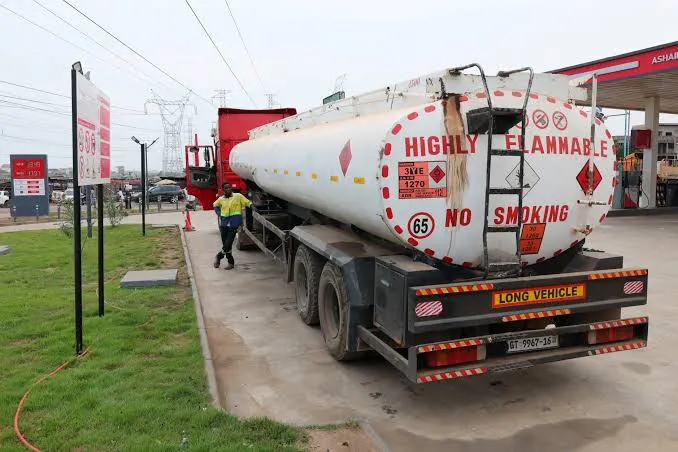
On October 9, 2026, African Arguments highlighted that more than 900 fuel tankers entered Bamako under heavy military escort in September. While the Malian government presented this as a victory against the JNIM blockade, analysts argue that the necessity of such massive, protected convoys indicates a deepening logistical vulnerability rather than a resolution of the security crisis. The reliance on high-cost, high-risk supply chains continues to inflate fuel prices and burden the Malian economy.

Local view
Ghana Peace Journal In its latest "Sahel Diaries" installment published around October 9, 2026, the journal documented a chronology of terrorism-related activities in AES countries, highlighting a shift toward economic warfare by armed groups. The outlet notes that JNIM and other factions are increasingly targeting supply chains and economic assets rather than just territorial control, aligning with the observed tightening of fuel supplies and border disruptions.
Context & numbers
- Displacement: Nearly 4 million internally displaced persons in Burkina Faso, Mali, and Niger as of October 11, 2026.
- Fuel Shortage: Burkina Faso received 40,000 MT of diesel/petrol against an 80,000 MT request from Ghanaian suppliers since August 2026.
- Logistics: Over 900 fuel tankers entered Bamako under escort in September 2026, illustrating the scale of state intervention required to maintain basic supply flows.
On the radar
- JNIM Blockade Evolution: Analysts are monitoring whether the "economic warfare" tactics described in recent reports will lead to further targeted attacks on fuel depots or border posts in the coming weeks, potentially forcing the AES to seek alternative, longer supply routes via Togo or Benin if Ghanaian exports remain restricted.
- UN Humanitarian Appeals: With displacement nearing 4 million, expect upcoming UN appeals for increased funding to support IDPs in the Liptako-Gourma region, where violence remains most acute.
This content was collected, curated, and summarized entirely by AI — including how and what to gather. It may contain inaccuracies. Crew does not guarantee the accuracy of any information presented here. Always verify facts on your own before acting on them. Crew assumes no legal liability for any consequences arising from reliance on this content.
Powered by
