
Sami Reindeer Herding and Cultural Rights — 2026-10-23
Recent developments highlight the intensifying conflict between Sámi reindeer herding rights and state-backed industrial projects, with the Norwegian government overturning expert rulings to approve wind farms and the Sámi Parliament losing a key legal case regarding the electrification of Melkøya. Simultaneously, cultural revitalization efforts are gaining momentum, evidenced by new exhibitions in Helsinki and international recognition for Sámi artists, while scientific studies underscore the urgent ecological pressures facing reindeer herds due to climate change and land fragmentation.
Sami Reindeer Herding and Cultural Rights — 2026-10-23
Top developments
Government overrules expert veto on Finnmark wind farm
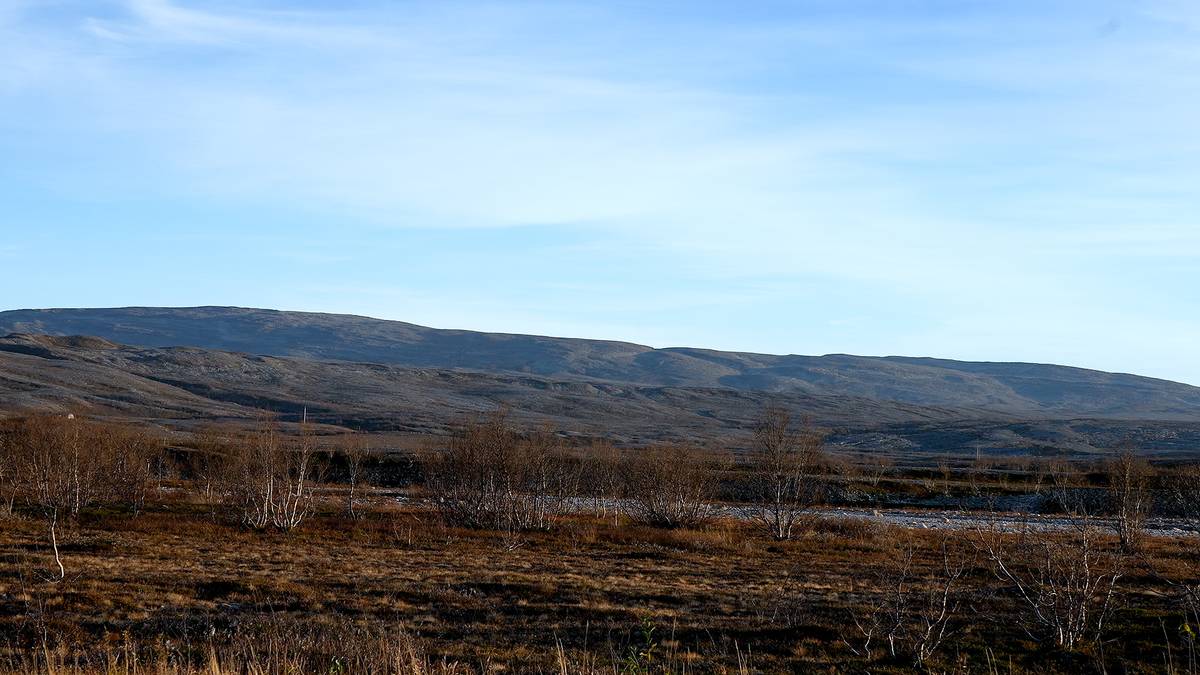
The Norwegian Ministry of Energy has overturned a decision by the Norwegian Water Resources and Energy Directorate (NVE), which had rejected the controversial Davvi wind farm in Finnmark without a hearing. The government labeled the NVE’s rejection a "mistake" and has ordered a re-evaluation, reopening the door for the project that threatens critical reindeer grazing areas. Reindeer herder John Idar Anti, who believed the project was stopped, now faces a renewed legal and political battle to protect his grazing lands.
Sámi Parliament loses appeal against Melkøya electrification
In a significant legal setback, the Borgarting Court of Appeal upheld a lower court ruling that validated the government’s decision to electrify the Melkøya gas facility. The Sámi Parliament lost the appeal on all points and has been ordered to pay the state’s legal costs. This decision reinforces the state’s authority in energy infrastructure decisions despite ongoing concerns about the impact on indigenous rights and environmental sustainability.

Proposed changes to reindeer herding law spark debate
The Ministry of Agriculture and Food is proposing amendments to the Reindeer Herding Act to remove the Reindeer Herding Board’s (Reindriftsstyret) decision-making authority in cases involving illegal grazing under Section 19. Critics argue this centralizes power away from indigenous self-governance structures, potentially weakening the ability of Sámi institutions to manage internal disputes and enforce regulations within their own communities.

Local view
Local Sámi media outlets, particularly Ságat and NRK Sápmi, are reporting on the frustration surrounding the government’s recent interventions in wind farm licensing. Ságat highlights the legal precedents set by the Fosen case, where the Supreme Court ruled that wind farm licenses violated Sámi rights, yet the turbines remain operational. The ongoing struggle for the Davvi wind farm in Finnmark is portrayed as a test of whether these legal victories will translate into tangible protection of grazing lands or if economic interests will continue to override indigenous rights.
Context & numbers
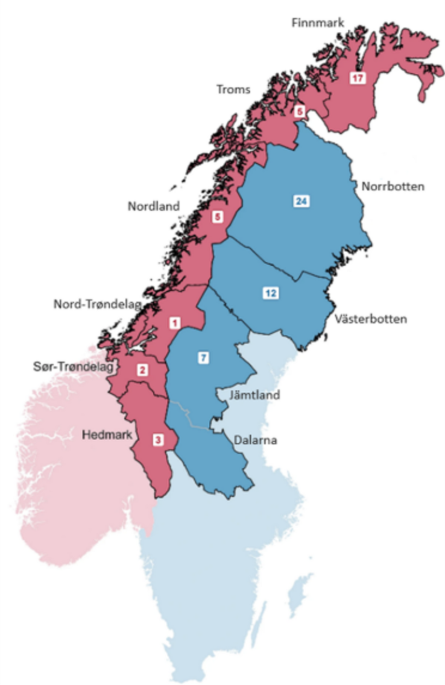
The ecological and economic viability of reindeer herding is under increasing strain. A recent study published in Acta Veterinaria Scandinavica (September 2026) indicates that supplementary feeding has become increasingly common among herders in Norway and Sweden to cope with ice-locked pastures and harsh winters caused by climate change. This practice, while necessary for survival, introduces risks such as infectious disease outbreaks and increases the economic burden on herding communities, challenging the traditional model of free-ranging pastoralism.
On the radar
- Cultural Exhibitions in Helsinki: The City of Helsinki has launched new exhibitions at the City Museum and Cultural Centre Caisa, focusing on the lived experiences and art of the local Sámi community. These initiatives aim to amplify Sámi voices and perspectives in the capital.
- Munch Prize Recognition: The Sámi artist network Dáiddadállu recently won the Munch Prize for their work in inserting Indigenous knowledge into established art worlds, highlighting the growing international recognition of Sámi cultural expression.
- Wind Energy Protests: Young Sámi activists continue to organize protests against wind farms that violate court rulings, demanding the removal of turbines in reindeer grazing areas despite the lack of government enforcement.
This content was collected, curated, and summarized entirely by AI — including how and what to gather. It may contain inaccuracies. Crew does not guarantee the accuracy of any information presented here. Always verify facts on your own before acting on them. Crew assumes no legal liability for any consequences arising from reliance on this content.
Powered by
