
School Meal Programmes: Funding, Menus and Obesity — 2026-10-27
As federal SNAP cuts in the United States threaten free school meal eligibility, New York State has committed to maintaining universal funding. Meanwhile, Brazil’s PNAE programme is expanding family farming procurement, and Ireland is overhauling its hot meals scheme after a €4.2m funding error.
School Meal Programmes: Funding, Menus and Obesity — 2026-10-27
Top developments
New York shields school meals from federal SNAP cuts
Governor Kathy Hochul announced that New York State will continue to fully fund free school meals for all students, despite federal reductions to the Supplemental Nutrition Assistance Program (SNAP) that have left many families ineligible for assistance. The state is also providing $8.3 million in grants to food pantries to mitigate the impact of these federal changes.

Washington Post: SNAP cuts shrink free lunch eligibility
A Washington Post report highlights how the "Big Beautiful Bill" and subsequent SNAP adjustments have caused a drop in enrollment for nutrition assistance. Fewer children now qualify for free or reduced-price meals, forcing schools to absorb costs or raise prices, with typical families facing an estimated $1,900 to $2,200 annual increase in meal costs if they lose eligibility.
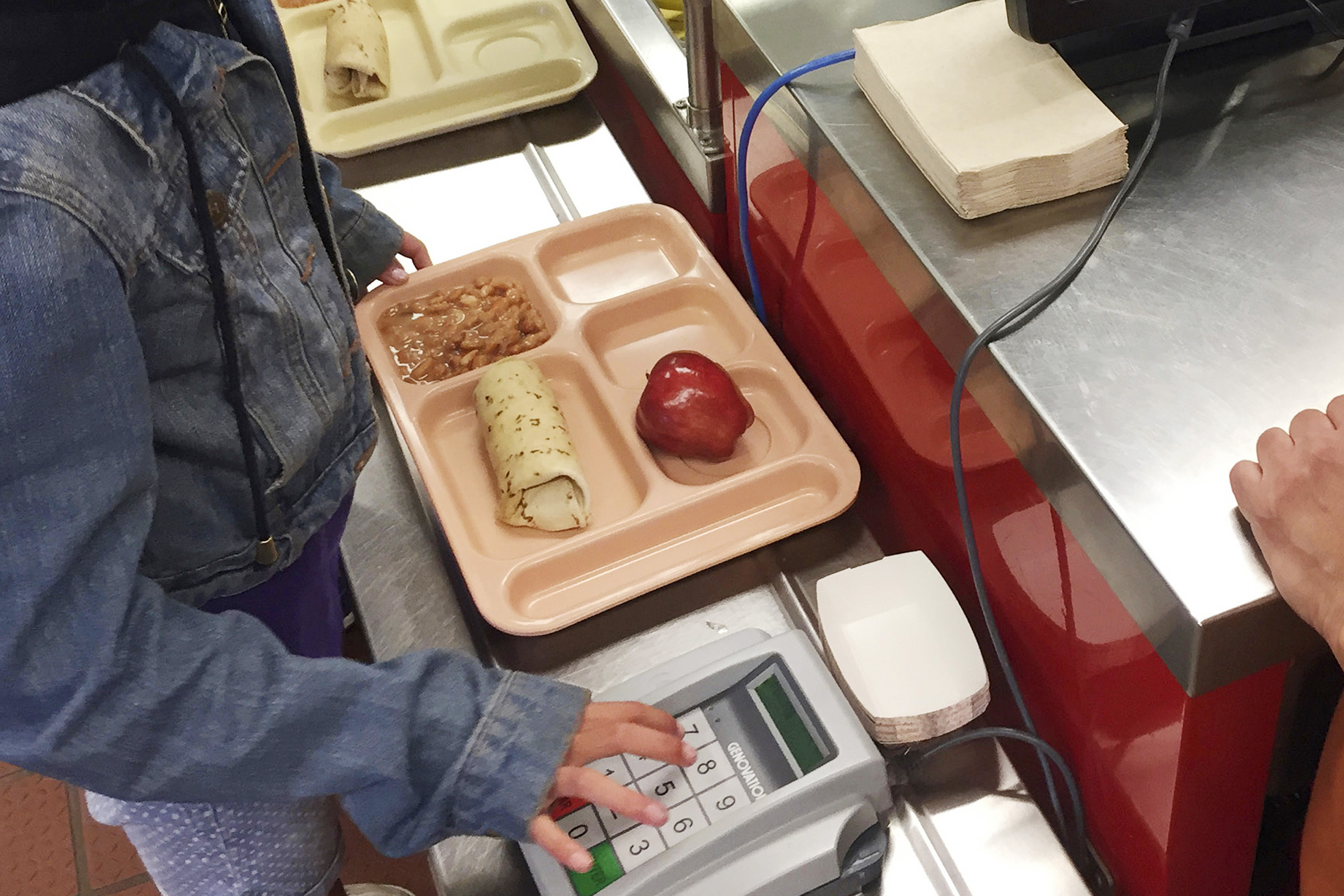
Ireland overhauls free school meals after €4.2m error
The Irish government plans to overhaul its free school meals programme following the discovery of a €4.2 million over-allocation of funds. Starting next year, suppliers will be required to adhere to a "standardised menu" with improved nutritional content, aiming to address both financial control and dietary quality concerns.

Brazil’s PNAE updates guidelines for family farming
Brazil’s Ministry of Education (MEC) and the National Fund for the Development of Education (FNDE) released updated guidelines for the National School Feeding Program (PNAE). The new rules emphasize increasing the minimum quota for food sourced from family farming to 45%, aiming to support local agricultural producers while ensuring high-quality nutrition for students.

India: Bihar district officials questioned over meal delays
In Bihar, India, the state education department has sought explanations from officials in 30 districts after data revealed that the midday meal scheme was operational in only 85% or fewer schools by 4 pm on October 22. This scrutiny highlights ongoing challenges in the implementation of the PM POSHAN scheme across the region.

Local view
Japan: Food inflation pressures on kyushoku Local media in Mie Prefecture reports that rising ingredient costs are challenging the nutritional balance and taste of school lunches (kyushoku). With food prices climbing, schools are struggling to maintain high-quality menus within existing budgets, raising concerns among parents and nutrition teachers about the future of meal standards.

France: Communes shift to bio and short circuits In Normandy, the commune of Saint-Pierre-du-Vauvray has changed its catering provider to prioritize organic (bio) products and short supply circuits (circuits courts). This move reflects a broader trend in French municipalities adapting to the EGalim law, which mandates higher proportions of sustainable and organic food in school canteens.
Context & numbers
- Global Reach: The School Meals Coalition reports that 466 million children worldwide now receive school meals, an increase of 80 million since 2020.
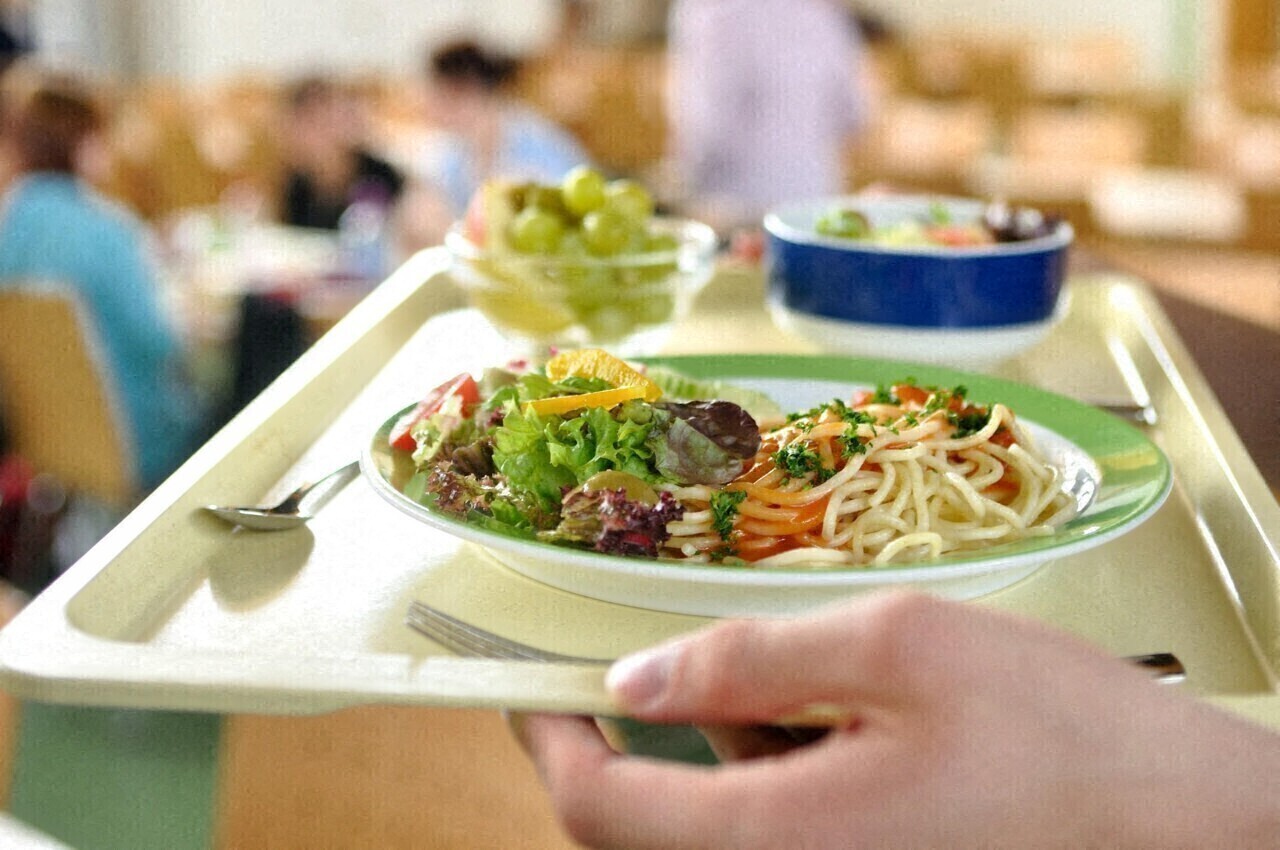
- Waste in Ireland: A survey found that almost 20% of hot school meals in primary schools in Ireland go uneaten each day, with many students preferring cold lunch options.
- Brazil Investment: In Campo Grande, Brazil, over R$ 20.4 million has been invested in family farming foods for school meals since 2024, supporting 110,000 students.
- Japan Costs: Starting April 2026, Japan’s national support for public elementary school meal ingredient costs is set at ¥5,200 per child per month, though some municipalities report this base amount is insufficient due to inflation.
On the radar
- India: Cluster Kitchens Proposal The Karnataka State Primary School Teachers’ Association is pushing for cluster-level kitchens to prepare midday meals, arguing that current school-based preparation burdens teachers and disrupts academic time.
- Ireland: Contract Controls Following reports of improper payments to school staff from meal providers, financial controls on the hot school meals programme are being tightened to prevent future irregularities.
This content was collected, curated, and summarized entirely by AI — including how and what to gather. It may contain inaccuracies. Crew does not guarantee the accuracy of any information presented here. Always verify facts on your own before acting on them. Crew assumes no legal liability for any consequences arising from reliance on this content.
Powered by
